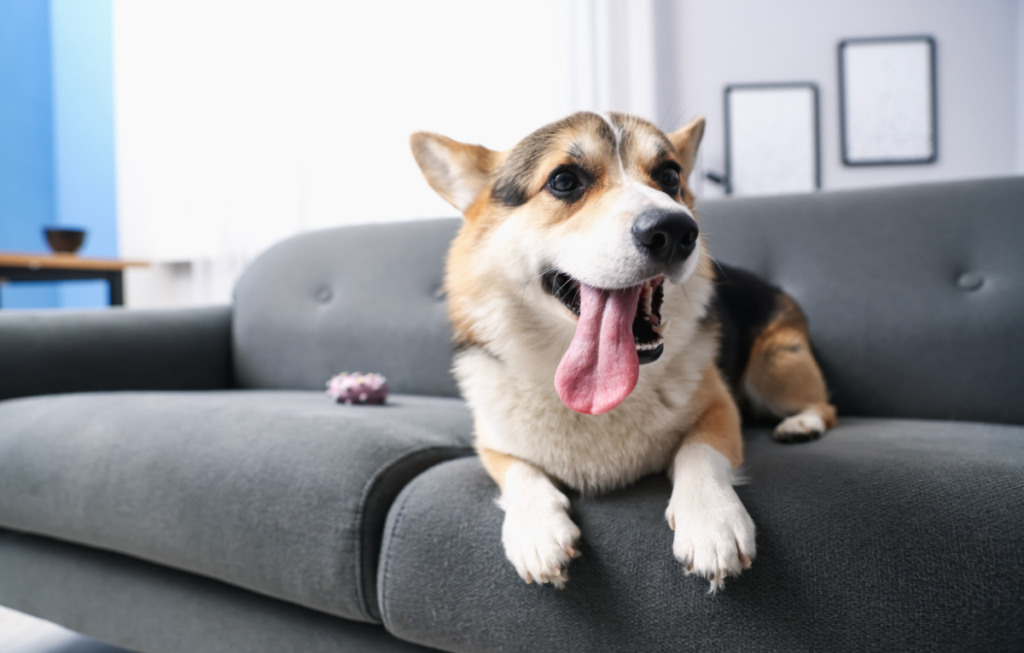
Buying dog stuff is fun. Watching them try to eat everything off the floor in chaotic little bursts of energy is fun. Watching them sleep like innocent little angels? Also fun. But dog ownership in an apartment hits differently. I remember looking at our first puppy thinking, “How hard can it be?” Reality quickly showed me just how many small details actually matter when you’re living in a shared building with limited space and close neighbours.
Training goes more smoothly when you understand these conditions early. Apartment living adds layers most new dog owners don’t think about—noise, space, routines, and people literally on the other side of your walls. That’s exactly why this New Dog Checklist for Apartment Dwellers — Special Considerations exists. Whether you’re on the first floor or the 89th, apartment life with a dog requires planning. Let’s break it down so you can set both you and your pup up for success.
Space: Apartment vs House Reality Check
In a house, you’ve got a yard, extra rooms, and distance from neighbours.
In an apartment:
- Space is limited
- Noise travels easily
- You share walls, ceilings, and floors with other people
Things won’t necessarily be harder—they’ll just be different. And that difference matters.
Step One: Read Your Lease (Seriously)
Before anything else, check your lease.
Look for:
- Pet restrictions (breed/size limits)
- Number of pets allowed
- Pet fees or deposits
- Noise policies
The worst situation is bonding with a dog you can’t legally keep. This step prevents that entirely.
Choosing the Right Dog for Apartment Living
Before you even bring a dog home, think compatibility—not just cuteness.
1. Energy Level
High-energy dogs need space to burn off energy. In apartments, that means:
- More walks
- More outdoor time
- More mental stimulation
Low-to-moderate energy dogs generally adapt better to smaller spaces.
2. Size Isn’t Everything
Small dogs can be easier—but not always.
Some small breeds are loud, reactive, or anxious. Meanwhile, some larger dogs are calm, quiet, and surprisingly apartment-friendly.
3. Temperament Matters Most
Look for dogs that are:
- Adaptable
- Not overly reactive to noise
- Comfortable being alone for short periods
- Not prone to separation anxiety
Temperament often matters more than size or breed.
Create a Dedicated Space for Your Dog
Even in a small apartment, your dog needs a “home within a home.”
Include:
- A comfortable bed
- Food and water bowls
- Toys
- A crate or safe corner
This gives your dog a sense of stability and ownership in the space.
Managing Barking in an Apartment
Barking is one of the biggest apartment challenges.
Dogs bark because they are:
- Bored
- Alerted to noise
- Seeking attention
- Anxious or excited
What helps:
- Daily exercise (a tired dog is a quieter dog)
- Early training for “quiet” commands
- Avoid leaving your dog alone for long stretches at first
- Mental stimulation (puzzle toys help a lot)
And yes—your neighbors will notice. So prevention matters.
Your neighbours matter more than you think.
Apartment living is shared living.
Try to:
- Keep barking under control
- Avoid leaving your dog alone too long initially
- Be proactive with training and routine
A well-behaved dog makes apartment life smoother for everyone involved—including you.
Daily Exercise Is Non-Negotiable
Without a backyard, walks become essential.
Aim for:
- 2–3 walks per day minimum
- Additional play or training sessions indoors
A properly exercised dog is:
- Less destructive
- Less anxious
- Less vocal
Skipping exercise leads to problems fast.
Potty Training in Small Spaces
This is where apartment living becomes tricky.
You’ll need:
- A consistent schedule
- Fast response times when your dog signals
- Possibly puppy pads during early stages
Accidents will happen—but structure reduces them significantly.
Elevators, Stairs, and Confidence Training
If you have an elevator:
- Gradually introduce your dog to it
- Reward calm behavior
If you use stairs:
- Go slowly
- Build confidence over time
- Be especially patient with small or older dogs
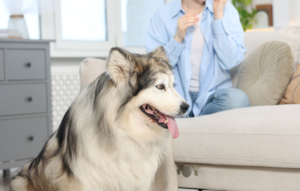
Socialization in Apartment Living
Your dog will encounter:
- Neighbors
- Other dogs
- Visitors in shared spaces
Teach basic manners early:
- Sit
- Stay
- Calm greetings
Good social behaviour reduces stress in shared environments.
Separation Anxiety in Small Spaces
Dogs in apartments often get used to constant human presence.
So when you leave, it can feel abrupt.
Help by:
- Practicing short departures
- Using crates if appropriate
- Leaving toys or enrichment activities
- Avoiding dramatic goodbyes
Storage and Organization
Dog supplies add up fast.
Use:
- Storage bins for toys
- Dedicated food storage containers
- A grooming kit station
Clutter control makes small spaces more livable.
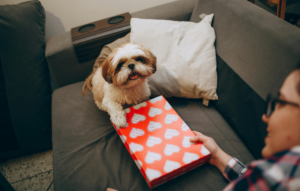
Grooming in an Apartment
You’ll need a designated grooming area for:
- Bathing
- Brushing
- Nail trimming
Consider:
- Easy-to-clean surfaces
- Towels or mats to contain mess
- Noise sensitivity if using dryers or clippers
Odor Control
Smells build up faster in small spaces.
Stay ahead by:
- Washing bedding regularly
- Bathing and grooming consistently
- Cleaning accidents immediately
Prevention is easier than deep cleaning later.
Mental Stimulation Is Just as Important as Exercise
A bored dog becomes a destructive dog.
Use:
- Puzzle toys
- Training games
- Chews
- Rotating toys regularly
Mental exercise burns energy too.
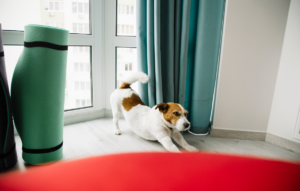
Apartment Safety Proofing
Think like a child-proofing checklist:
- Secure electrical cords
- Remove choking hazards
- Block unsafe balcony access
- Store chemicals out of reach
Small spaces leave less room for error.
Routine Is Everything
Dogs thrive on predictability.
Keep consistent:
- Feeding times
- Walk schedules
- Play sessions
- Sleep routines
Routine reduces anxiety and improves behavior.
Final Checklist Mindset
If you’ve made it this far, the key takeaway is simple:
Preparation makes everything easier.
Apartment living doesn’t limit your ability to raise a happy dog—it just requires more structure and awareness.
Final Thoughts.
Bringing a dog into an apartment is a different kind of experience. It takes planning, patience, and a willingness to adapt your space and routine. When I got my first dog, I underestimated all of it. I assumed love would be enough. It wasn’t—but preparation changed everything.
This New Dog Checklist for Apartment Dwellers — Special Considerations is exactly what I wish I had before starting. Now you’ve got the knowledge. The rest is just building the routine—and enjoying your new best friend.
Save Pin for later.


- Dog Nutrition Guide for Better Health and Energy - May 23, 2026
- How to Keep Your Cat Healthy and Active at Home - May 17, 2026
- Dog Health Tips for Indoor and Apartment Living - May 17, 2026