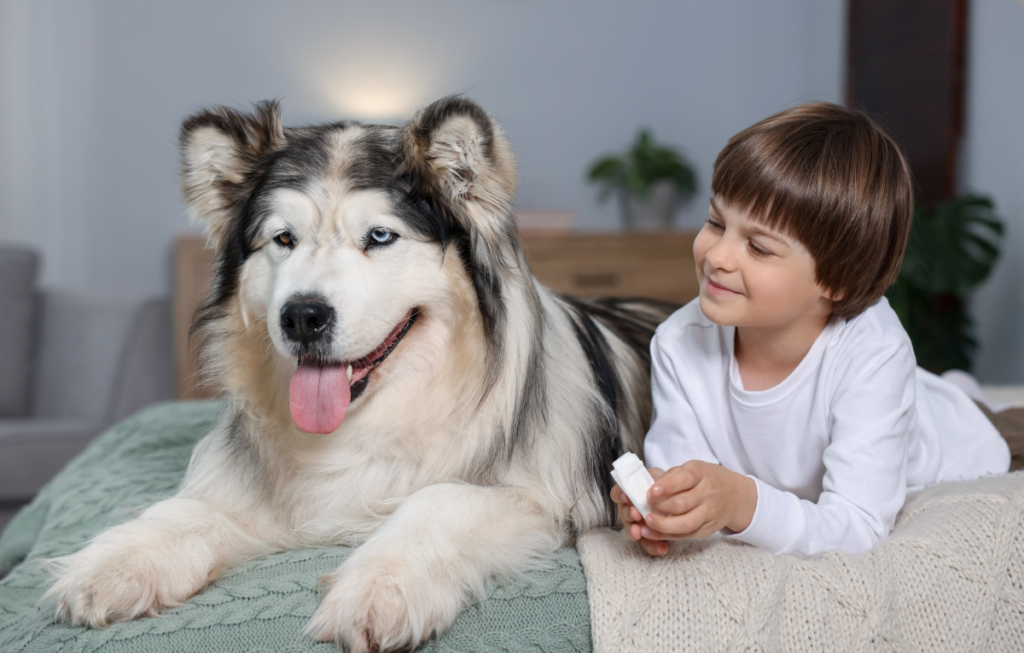
Congratulations on your new dog! If you have kids in your home, welcome to a whole new world of responsibility. I know that kids can get super excited about a new dog. They want to love on them, play with them, and show them everything. As a dog trainer who has worked with many families with kids, I know things can quickly go from a dream home with a dog to frustration if you aren’t prepared.
Kids and dogs can form such strong bonds, but that doesn’t just magically happen. They need rules, structure, and boundaries.
Why You Need to Prepare Even More When Bringing Home a Dog With Kids
Bringing home a new dog is tough enough. You’re dealing with an animal that isn’t used to your home, your family, or your rules.
Now imagine adding children to that equation.
Kids:
- Act without thinking
- Don’t know any better
- Can be loud and chaotic
Dogs:
- Need time to adjust
- Can be startled by excitement
- Make mistakes while learning
When you combine the two, you can set yourself up for major communication problems or stressful situations.
Trust me—I’ve been there.
That’s why it’s so important to do your research and teach your kids before bringing your new pup home.
Luckily for you, that’s exactly what I’ll show you below.
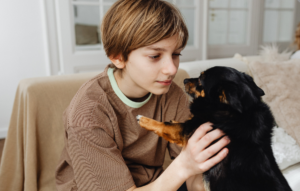
Step 1: Teach Your Kids Before Your Dog Arrives
This step is so important, yet often skipped.
You need to teach your kids how to behave around a dog before the dog even enters your home.
Make sure your kids know before your dog arrives that they should:
- Avoid pulling ears or tails
- Avoid bothering a dog while they’re eating or sleeping
- Approach dogs slowly and calmly
- Use gentle hands
Why Is This Step Important?
Your dog does not know how to behave around children, and your child does not know how to behave around dogs. You need to teach them both.
Step 2: Set Realistic Expectations
Children often think a puppy will run over whenever they squeal with excitement.
But dogs aren’t toys you can play with anytime you want.
Teach your kids that:
- Dogs need quiet time to sleep
- Dogs may not always want to play
- Training takes time and patience
- Dogs will have accidents in the house
Setting expectations helps prevent frustration—for both your child and your dog.
Step 3: Choose the Right Dog
Not all dogs are the same when it comes to living with kids.
Think about:
- Temperament (active vs. calm)
- Size (small dogs can be fragile)
- Age (puppies require extra supervision)
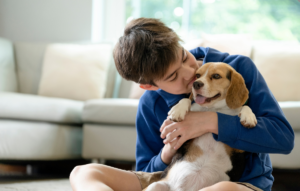
Step 4: Create Personal Space for Your Dog and Child
Everyone needs space—including your dog and your child.
This means:
- Teaching your dog where their crate or resting spot is
- Teaching your child that the dog needs alone time, too
Step 5: Always Supervise Interactions
Kids and dogs don’t always have the best judgment when interacting.
- Always supervise interactions between your child and your dog
- Don’t allow unsafe behaviors (like face-licking or rough play)
Step 6: Teach Your Kids About Dog Boundaries
Since dogs can’t speak, your child needs to learn their signals.
Teach your kids these signs:
- Walking away = “I need space.”
- Eating or sleeping = “Don’t disturb me.”
- Growling or stiff posture = “Stop immediately”
Step 7: Introduce Your Child to Your Dog Slowly
First impressions matter.
I recommend:
- Keeping your dog calm
- Letting your dog approach your child first
- Keeping excitement low
- Keeping interactions short
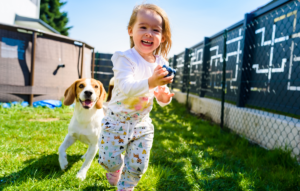
Step 8: Establish Rules From Day One
Kids may not love rules, but they need them.
Set clear rules like:
- No roughhousing
- Don’t climb or sit on the dog
- Don’t take toys away from the dog
Consistency helps children learn faster.
Step 9: Teach Gentle Play
Children don’t always realise their strength.
Show them how to:
- Pet gently
- Play calmly
- Avoid sudden or aggressive movements
Step 10: Involve Kids in Dog Care
This builds responsibility and strengthens the bond.
Have your child help with:
- Filling water bowls
- Assisting with feeding
- Brushing the dog
Step 11: Recognize Signs of Stress in Your Dog
Dogs often show subtle signs before reacting.
Watch for:
- Panting
- Avoidance
- Growling
- Hiding
If you notice these, give your dog space immediately.
Step 12: Understand Energy Differences
Kids and dogs have different energy levels.
- Don’t assume your dog always wants to play
- Don’t assume your dog always wants to cuddle
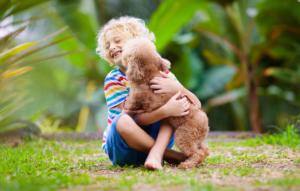
Step 13: Be Patient
Building a relationship takes time.
- Your child is learning
- Your dog is adjusting
Don’t rush the process.
Avoid These Common Mistakes
- Expecting instant harmony
- Leaving kids and dogs unsupervised
- Ignoring warning signals
- Allowing rough play
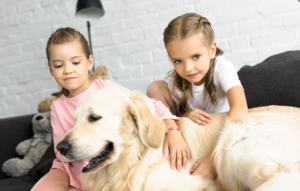
Building a Lifelong Bond
With proper guidance, kids and dogs can form an incredible bond.
Focus on calm, positive interactions.
Safety Always Comes First
Never forget—dogs are still animals.
- Never leave young kids alone with a dog
- Always monitor behavior
- Correct issues early
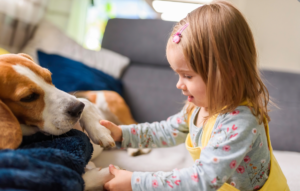
Benefits of Doing It Right
When done properly:
- Your child learns empathy
- Your dog feels safe and loved
- You create a strong family bond
Final Thoughts.
Bringing home a new dog with kids is exciting—but it requires preparation.
I’ve made many of these mistakes myself, but experience has shown me what works.
If you teach your child how to behave around dogs and help your dog feel safe around your child, everything becomes much easier.
Take it step by step, stay patient, and you’ll build a loving relationship that your whole family will cherish.
Save Pin for later.


- Dog Nutrition Guide for Better Health and Energy - May 23, 2026
- How to Keep Your Cat Healthy and Active at Home - May 17, 2026
- Dog Health Tips for Indoor and Apartment Living - May 17, 2026