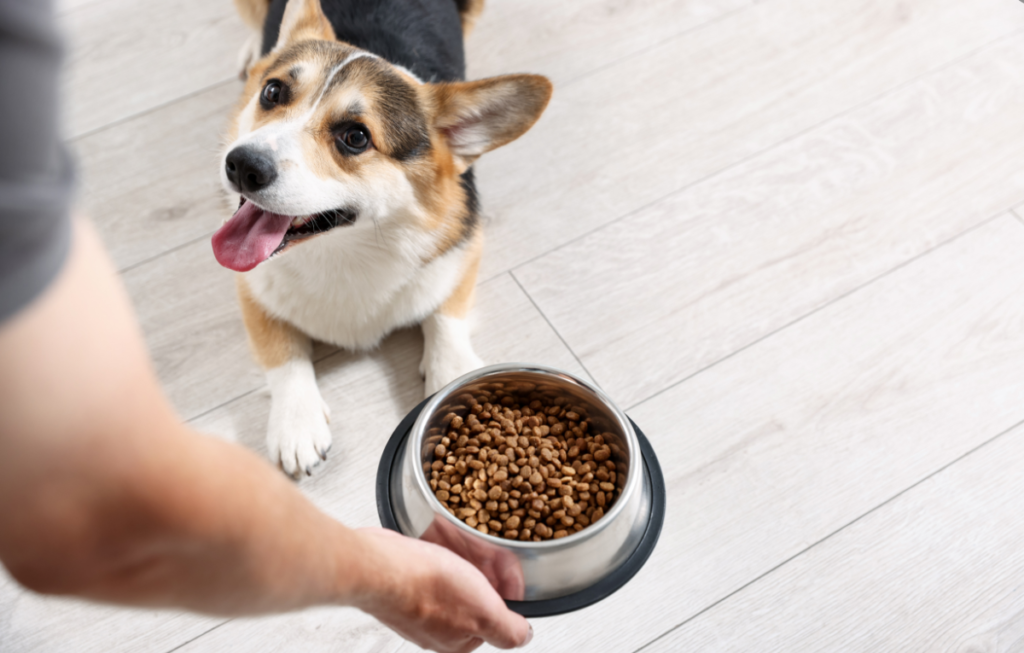
Feeding your dog the proper nutrition is one of the best things you can do to help them live a longer, healthier, and more active life. In this Dog Nutrition Guide for Better Health and Energy, I’m going to cover everything you need to know about feeding your dog a healthy diet. I will teach you about which foods are best for your dog, common nutrition mistakes, and how to set your dog up for a lifetime of healthy eating habits.
When it comes to your dog’s health and well-being, most people tend to overlook nutrition. What you feed your dog plays a major role in their muscle strength, digestive health, energy, coat condition, immune system, and even their emotions. Poor nutrition can lead to obesity, low energy, gastrointestinal problems, painful joints, and a wide range of long-term health problems.
Feeding your dog doesn’t have to be complicated, though. If you learn a few basic guidelines, it becomes very easy to create healthy feeding habits that will have a positive impact on your dog.
Let’s dive in.
Why Dog Nutrition Is So Important
Everything your dog needs to thrive comes from their diet.
A healthy diet provides:
- Strong muscles
- Healthy organs
- Great energy
- Improved coat condition
- Healthy digestion
- A strong immune system
Poor nutrition can cause:
- Obesity
- Low energy
- Skin problems
- Digestive issues
- Shortened lifespan
For these reasons and more, feeding your dog according to this Dog Nutrition Guide for Better Health and Energy should be one of your top priorities.
Basic Nutrition Your Dog Needs
Dog food is more than just calories.
While calorie control is important for dogs, they also need to eat a well-rounded selection of nutrients. Your dog’s diet should include a balance of:
- Protein
- Fats
- Carbohydrates
- Vitamins
- Minerals
- Water
Each one of these nutrients serves a unique purpose in your dog’s diet, and daily meals should contain some of each.
Protein Is the Building Block of a Healthy Diet
Almost all dog foods list protein as the first ingredient.
Why Dogs Need Protein
Dogs require protein to support:
- Muscle strength
- Tissue repair
- Healthy organs
- Immune system function
- And more
Quality protein sources for dogs include:
- Chicken
- Turkey
- Beef
- Fish
- Lamb
Why Protein Quality Is Important
Lower-quality protein sources are harder for your dog to digest and use.
Healthy Fats Are Important Too
Fat doesn’t make your dog fat.
Your dog requires healthy fats in their diet.
Healthy fats help with:
- Energy
- Brain health
- Healthy skin
- A shiny coat
- And more
Healthy fats also provide omega-3 and omega-6 fatty acids.
Signs Your Dog May Need More Healthy Fats
- Dry skin
- Dull coat
- Low energy
Lastly, carbohydrates and fibre are important parts of a healthy diet.
Healthy carbs give your dog energy, and fibre aids with digestion. High-fibre foods also help keep your dog regular.
Good sources of carbs and fibre include the following:
- Brown rice
- Sweet potatoes
- Oats
Benefits of Fibre
- Better digestion
- Healthy stool
- Weight management
Don’t Forget About Water
Nutrition isn’t just about what you feed your dog but also how you feed them.
Always make sure your dog has access to fresh water. Dehydration can lead to a number of different health issues.
Signs of dehydration include the following:
- Dry gums
- Low energy
- Sunken eyes
Important: Encourage your dog to drink by feeding wet food or adding water to their meals.
Choosing Dog Food
Not all dog food is created equal.
When you go to the store, look for dog food that contains real protein sources, balanced nutrients, and high-quality ingredients.
Avoid dog foods that contain:
- Fillers
- Artificial ingredients
- By-products
Remember:
Not all dog foods are right for every dog. Things like your dog’s age, breed, activity level, and health will determine which food is best.
Feeding Puppies
Puppies’ nutritional requirements are different from those of adult dogs.
Puppies need more calories and protein than adult dogs. It is important to feed your puppy nutrient-dense food that is specially formulated for their rapid growth.
Why?
Your puppy is growing quickly and needs the proper nutrients to support bone growth, organ development, and muscles.
Large-breed puppies need to be monitored even more closely to ensure they are growing at a healthy rate.
Feeding Your Adult Dog
Just like humans, dogs require maintenance nutrition once they reach adulthood.
Your goal when feeding an adult dog should be to help them maintain a healthy weight, support energy levels, and prevent muscle loss.
One of the most common mistakes pet owners make is overfeeding their dogs. Many dog owners feed their dogs based on emotions instead of measuring the proper amount of food for their dog.
Senior Dog Nutrition
Just like people age, your dog will require different nutrition as they reach senior status.
Senior dogs often need fewer calories and may require foods that support joint health. Many senior dogs may also require food that is easier to digest.
Related Post: How Much Food Should I Feed My Dog?
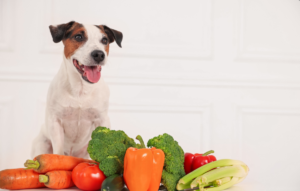
Feed Your Dog Enough Food, Not Too Much
Weight management is one of the most important things you can do for your dog.
Just like feeding your dog high-quality food, you also need to make sure you are feeding them the proper amount. Stick to measured portions and adjust according to your dog’s activity level.
As your dog ages, you will also need to monitor their food intake and make adjustments if they start to gain or lose weight.
Dog Treats
Giving your dog the occasional treat is fine.
However, you should never feed your dog too many treats or allow them to eat an unlimited amount of table scraps. When selecting treats, look for healthy dog snacks or stick to foods like plain peanut butter and vegetables.
Healthy foods you can give your dog as treats include:
- Carrots
- Green beans
- Broccoli
- Sweet potatoes
- Blueberries
Human Foods to Avoid
As a dog owner, you should never feed your dog human food without first researching whether it’s safe.
Some human foods can make your dog very sick.
Never feed your dog:
- Chocolate
- Grapes
- Nuts
- Xylitol
- Onions
- Garlic
Thankfully, there are plenty of healthy human foods that your dog can eat. Just because a food is safe for your dog doesn’t mean you should overdo it. Too many carrots, for example, can lead to other health issues.
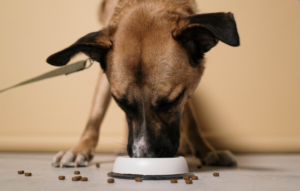
Meal times matter.
Unlike cats, dogs do much better with routine.
Feeding your dog at the same time every day will make it easier for them to digest their food. Most dogs do well with two meals spaced evenly throughout the day.
Changing your dog’s feeding schedule can sometimes lead to diarrhoea or inconsistent bowel movements.
Help Your Dog Maintain a Healthy Weight
Feeding your dog a balanced diet is one of the best ways to keep them at a healthy weight.
Other things you can do to maintain your dog’s weight include:
- Taking your dog for daily walks
- Using only healthy dog treats
- Weighing your dog regularly
The healthier your dog is, the longer they will live.
Food Sensitivities and Allergies
Just because your dog has food sensitivities doesn’t mean they are allergic to that food.
Food sensitivities can lead to itchy skin, stomach inflammation, and ear infections. If you suspect your dog has a food sensitivity, it’s best to speak with your veterinarian.
Common Problem Ingredients Include the Following:
- Beef
- Chicken
- Fish
- Dairy
- Sweet potatoes
- Certain food additives
Dog Food Recalls
Hundreds of dogs become sick — and some even die — each year from eating contaminated dog food.
Check the AAFCO dog food recall list to learn more about recalled dog foods.
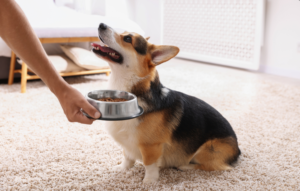
Raw and Homemade Dog Food
Feeding your dog raw food or a homemade diet can be beneficial, but it can also be dangerous if you don’t know what you are doing.
I always recommend speaking with your veterinarian before switching your dog’s diet.
Important: While cooking for your dog gives you more control over what they eat, it doesn’t necessarily mean homemade dog food is always the best option.
Dog Supplements
Unless otherwise recommended by your veterinarian, you shouldn’t feel the need to give your dog daily supplements.
There are several supplements that can benefit your dog, such as probiotics and omega fatty acids.
Just remember, dietary supplements are not meant to replace healthy dog food.
Nutrition and Energy Levels
Your dog’s diet plays a huge role in their energy levels.
Thankfully, feeding your dog a balanced diet can greatly improve your dog’s energy.
Physical activity and weight also play a major role in your dog’s overall energy levels.
Fun Fact: Did you know that most dogs with bad breath have some level of gum disease?
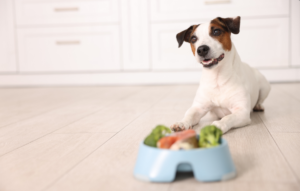
Signs Your Dog’s Diet May Need Adjusting
Healthy dogs will usually have:
- A full appetite
- Healthy energy levels
- A shiny coat
- Good muscle tone
Signs your dog’s diet may need adjusting include:
- Low energy
- Dry skin
- Digestive issues
- Poor coat condition
- Weight fluctuations
Does your dog eat everything you put in front of them? If so, you may need to evaluate how much you’re feeding them.
Building Healthy Eating Habits for Your Dog
Just like humans, dogs thrive on consistency.
Once you learn which nutrients your dog needs and which foods are best, you can begin building a healthy feeding routine.
The key to building a healthy eating routine for your dog is consistency. Make sure you feed your dog measured portions, provide fresh water, and stay as consistent as possible with their feeding schedule.
Dog Nutrition Mistakes to Avoid
Let’s review the biggest mistakes people make.
1. Overfeeding Dogs
This is one of the most common nutrition mistakes.
2. Too Many Treats
Dog treats should always be given in moderation.
3. Poor-Quality Dog Food
Cheap dog food will not provide your dog with the nutrients they need to stay healthy.
4. Switching Dog Foods Abruptly
Changing your dog’s diet too quickly can cause diarrhoea and other digestive issues.
5. Ignoring Excess Weight
Leaving extra pounds on your dog can lead to heart problems and joint pain.
Prevention Is the Key
Now you know how important dog nutrition is.
One of the biggest benefits of feeding your dog a healthy diet is that you can prevent many health problems before they start.
Final Thoughts
Have you ever noticed how food affects your own body? Eating healthy helps you maintain your energy levels throughout the day, just like it does for dogs. Simply by feeding your dog the proper nutrients, your dog can thrive. When dogs eat better, they usually have more energy to play, feel better overall, and are less susceptible to illness.
Dog nutrition doesn’t have to be complicated. If you teach yourself the basic fundamentals of good nutrition and build a healthy feeding routine, you will set your dog up for a lifetime of healthy eating habits.
Save Pin for later.

- Dog Nutrition Guide for Better Health and Energy - May 23, 2026
- How to Keep Your Cat Healthy and Active at Home - May 17, 2026
- Dog Health Tips for Indoor and Apartment Living - May 17, 2026