Alright. Let’s be real here.
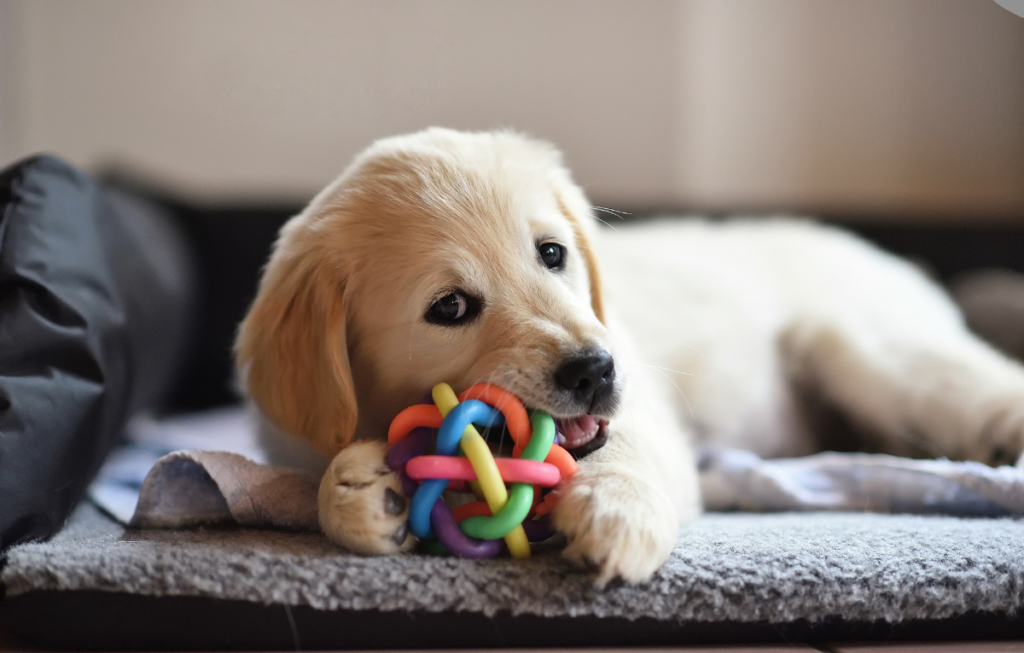
When people think about getting a new puppy, they often underestimate just how destructive these curious little babies can be.
Don’t get me wrong—they’re not trying to tear your house apart. They simply see everything as a toy, a chew item, or an opportunity to explore the world with their mouths.
That’s why this guide on how to puppy-proof your home before your new dog arrives will walk you through everything you need to do before bringing your puppy home.
Why?
Because when you go in prepared, you prevent the behaviours people often mistake for “bad” or “stubborn” later on.
Let’s break down exactly what to do, room by room, and how to set yourself—and your puppy—up for success.
Why Puppy-Proofing Your Home Is Important
Before we get into the details, let’s step back for a moment.
Puppies do not wake up thinking, “I want to destroy my owner’s home.”
Instead, they wake up eager to:
- Explore
- Play
- Learn
- Release energy
But when they don’t understand boundaries or where they’re allowed to go, that curiosity turns into problems like:
- House training accidents
- Chewing on dangerous items
- Anxiety and fear
- Destructive behavior
- Expensive damage to your home
It’s important to remember: this isn’t “bad behaviour”—it’s too much freedom without structure.
That’s why puppy-proofing is essential.
You’re not just protecting your belongings—you’re creating a safe environment where your puppy can learn what’s okay and what isn’t.
How To Puppy-Proof Your Home Before Your New Dog Arrives
Now let’s get practical.
Before you start, take a moment to look at your home from your puppy’s perspective:
- Where can they reach?
- What looks like a toy?
- What could hurt them?
That mindset alone will help you catch most risks.
Start With the Obvious Hazards
Begin by removing or securing anything dangerous or tempting.
Electrical Cords & Electronics
Electrical cords are one of the biggest hidden dangers for puppies.
They look like toys but can cause serious injury.
- Use cord organizers or covers
- Tuck cords behind furniture
- Keep chargers and cables out of reach
- Secure TVs, lamps, and electronics so they can’t be knocked over
Small Objects They Can Swallow
Puppies explore the world with their mouths.
Pick up anything small enough to be swallowed, such as:
- Hair ties
- Coins
- Kids’ toys
- Remotes
- Socks
- Small household items
If it fits in their mouth, it’s a risk.
Toxic & Dangerous Items
Store anything harmful completely out of reach:
- Cleaning supplies
- Medications
- Chemicals
- Certain houseplants
Even small amounts can be dangerous.
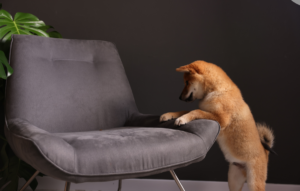
Puppy-Proof Each Room
Living Room
This is where most of your puppy’s time will be spent.
- Secure cords
- Remove fragile décor
- Protect furniture legs (puppies love chewing wood)
- Use baby gates if needed
Kitchen
The kitchen is full of temptation and danger.
- Keep counters clear of food
- Use a trash bin with a secure lid
- Block access when cooking or cleaning
- Never leave food unattended
Bedrooms
Bedrooms are full of chewable treasures.
- Shoes
- Clothes
- Chargers
To prevent accidents:
- Close the door when possible
- Pick clothes off the floor
- Store electronics safely
Bathroom
Bathrooms are often overlooked but risky.
- Medications must be locked away
- Cleaning supplies stored securely
- Keep toilet lids closed at all times
Puppies can fall in or drink from—toilets if given access.
Create a Safe Zone for Your Puppy
Your puppy does not need full access to your home right away.
Instead, create a controlled space such as:
- A crate
- A puppy pen
- A gated room
This space should feel:
- Safe
- Comfortable
- Easy to supervise
This will be their home base during early training.
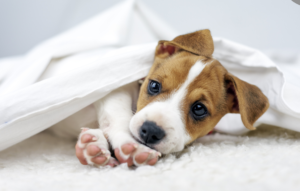
Protect Your Furniture
Chewing is natural for puppies—it helps relieve teething discomfort.
Instead of stopping it, redirect it.
Protect your furniture by:
- Using sofa covers
- Blocking furniture legs
- Removing cushions when unsupervised
Provide better alternatives:
- Chew toys
- Teething toys
- Durable rubber toys
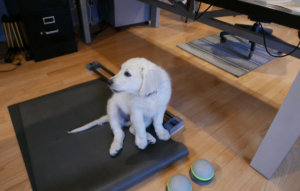
Protect Your Floors
Puppies interact with floors constantly—running, chewing, exploring.
Watch out for:
- Slippery surfaces
- Loose rugs
- Small objects on the floor
Fixes:
- Use non-slip mats
- Secure rugs with grips
- Keep floors clean and clear
Set Up Feeding & Water Areas
Choose a consistent location for food and water.
Keep it:
- Clean
- Quiet
- Accessible
Avoid high-traffic areas where your puppy may feel distracted or unsafe.
Redirect Chewing From Day One
Chewing is instinct, not misbehavior.
Instead of fighting it:
- Provide plenty of chew toys
- Rotate toys to keep things interesting
- Reward appropriate chewing
Don’t Forget Outdoor Areas
If you have a yard, balcony, or patio:
- Check for fence gaps
- Remove toxic plants
- Clear sharp objects
- Ensure gates are secure
Never assume outdoor spaces are automatically safe.
Limit Freedom Early On
Too much freedom too soon leads to confusion and bad habits.
At first:
- Restrict access to one area
- Supervise all exploration
- Gradually expand their space over time
Prepare Training Essentials
Before your puppy arrives, gather:
- Crate
- Leash
- Collar
- Training treats
- Chew toys
- Cleaning supplies
Preparation makes the transition smoother for everyone.
Plan for Nighttime
Nights can be confusing for puppies.
Decide in advance:
- Crate sleeping
- Bed beside your bed
- Puppy pen setup
Be patient—accidents will happen early on.
Common Puppy-Proofing Mistakes
1. Giving too much freedom too soon
Freedom without training leads to chaos.
2. Waiting too long to prepare
Puppy-proofing should happen before the puppy arrives.
3. Expecting them to “learn quickly”.
They don’t know the rules until you teach them.
4. Not offering chew alternatives
Without options, your furniture becomes the target.
Final Thoughts
Puppy-proofing your home isn’t about perfection—it’s about prevention.
When your home is safe and structured, your puppy can relax, explore, and learn without constant correction.
And you get to enjoy the best parts of puppyhood without the stress of constant damage control.
So take the time now.
Your future self—and your puppy—will thank you.
Save Pin for later.

- Dog Nutrition Guide for Better Health and Energy - May 23, 2026
- How to Keep Your Cat Healthy and Active at Home - May 17, 2026
- Dog Health Tips for Indoor and Apartment Living - May 17, 2026