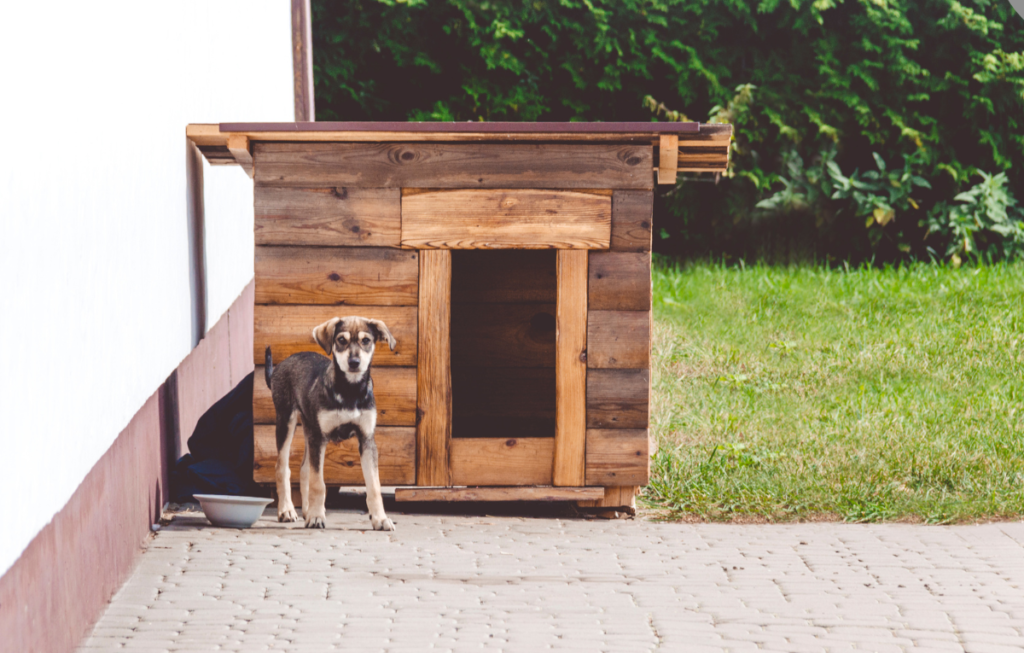
Building a dog house sounds easy. Cut some wood. Nail it together. Throw in a cushy dog bed and call it a day. But once you start looking into it, you quickly realize there’s a lot more to it.
Material matters.
The materials you choose determine:
- How long does the doghouse last
- How comfortable it is
- Whether it actually protects your dog from the elements
It can even become a safety issue if you choose the wrong ones.
That’s why today we’re diving into the best materials to use when building a DIY dog house design.
Because when done right, a doghouse isn’t just a shelter—it’s your dog’s safe space.
A place to escape harsh weather… or just relax and cool off.

Why Materials Matter More Than Design
Hold up.
Before we get into materials… let’s talk design.
You’ve probably seen every style out there:
- Triangle roofs
- Box shapes
- Even fancy hexagon builds
And yes—dogs live in all of them.
But here’s the truth:
Design is optional. Materials are not.
You can build a beautiful dog house that is
- Traps heat inside
- Collects water in corners
- Falls apart after one rainy season
Or you can build something simple that:
- Keeps your dog cool in hot weather
- Stays dry during rain
- Lasts for years
That’s why focusing on the best materials to use when building a DIY dog house design is the smarter move.
What a Good Dog House Should Provide
Before choosing materials, ask yourself:
What should this doghouse actually do?
At a minimum, it should provide:
- Weather resistance (rain, heat, cold)
- Proper insulation
- Dry interior space
- Easy cleaning
- Strong, durable structure
Notice what’s missing?
Looks.
Because if it doesn’t protect your dog, it doesn’t matter how good it looks.
1. Wood (The Classic Choice)
Wood is the go-to material—and for good reason.
Why Wood Works
- Naturally insulating
- Easy to work with
- Durable when treated properly
- Looks great outdoors
Best Types of Wood
Not all wood is created equal. Avoid anything prone to rot or insects.
Instead, use:
- Cedar (best option)
- Pine (must be treated)
- Fir
Why Cedar Stands Out
- Naturally insect-repellent
- Rot-resistant
- Holds up extremely well outdoors
Important Tip
Always use treated wood for outdoor use. Untreated wood won’t last.
2. Plywood
Plywood is one of the most versatile materials you can use.
Benefits
- Affordable
- Easy to cut and shape
- Widely available
Best Uses
- Interior walls
- Roof base
- Structural panels
Pro Tip
Use exterior-grade plywood to resist moisture and warping.
3. Insulation Materials
If your area gets very hot or cold, insulation is not optional—it’s essential.
Why It Matters
- Keeps the house cool in summer
- Keeps it warm in winter
Best Options
- Foam boards
- Reflective insulation
- Fiberglass (only if properly sealed)
How to Install
Place insulation between the inner and outer walls to create a thermal barrier.
4. Roofing Materials
The roof takes the most damage from weather—don’t cut corners here.
Good Roofing Options
- Asphalt shingles
- Metal roofing
- Waterproof rubber sheets
Key Tip
Always build the roof at a slight angle so water runs off instead of pooling.
5. Flooring Materials
Your dog’s comfort starts from the ground up.
Best Choices
- Treated wood
- Raised wooden platform
Why Elevation Matters
Raising the floor:
- Prevents moisture buildup
- Improves airflow
- Keeps the interior dry
Too many people place dog houses directly on the ground. Avoid that mistake.
6. Waterproofing & Sealants
No matter what materials you use, waterproofing is essential.
Benefits
- Prevents water damage
- Extends lifespan
- Protects against harsh weather
What to Use
- Pet-safe wood sealants
- Weatherproof coatings
Important: Always choose non-toxic, pet-safe products.
7. Metal (For Reinforcement)
Metal isn’t used for the whole structure, but it plays an important role.
Best Uses
- Hinges
- Fasteners
- Reinforcements
Why It Helps
- Adds durability
- Prevents structural weakness
8. Plastic or Composite Materials
These are modern alternatives worth considering.
Pros
- Weather-resistant
- Lightweight
- Easy to clean
Cons
- Poor insulation
- Can overheat in direct sunlight
Best Use
Use plastic for:
- Accessories
- Non-structural parts
Don’t Forget Ventilation
Your doghouse needs airflow.
Why It Matters
- Prevents overheating
- Reduces moisture buildup
How to Add Ventilation
- Small holes near the roof
- Mesh-covered vents
Bedding Matters Too
The inside is just as important as the structure.
Good Options
- Washable dog beds
- Dry, breathable materials
Avoid
- Moisture-absorbing bedding
Consider Your Climate
Your location should guide your material choices.
Hot Climates
- Reflective roofing
- Proper ventilation
- Plenty of shade
Cold Climates
- Strong insulation
- Wind protection
- Warm bedding
Rainy Climates
- Waterproof materials
- Elevated flooring
- Sealed joints
Common Mistakes to Avoid
Let’s save you some frustration.
1. Building Directly on the Ground
This traps moisture and leads to rot.
2. Using Cheap Materials
Flimsy buildings don’t last.
3. Poor Construction
Even good materials fail with bad assembly.
Take your time. Build it right.
Final Thoughts
Building a dog house doesn’t have to be complicated. But it does require intention. Learning The Best Materials to Use When Building a DIY Dog House Design is your first step. After that, it’s simple:
Choose materials that match your climate.
Build with care.
Focus on your dog’s comfort—not just appearance.
Dog houses don’t have to be expensive.
But they do need to be built right.
Because at the end of the day—
your dog is counting on it.
Save Pin for later.


- Dog Nutrition Guide for Better Health and Energy - May 23, 2026
- How to Keep Your Cat Healthy and Active at Home - May 17, 2026
- Dog Health Tips for Indoor and Apartment Living - May 17, 2026