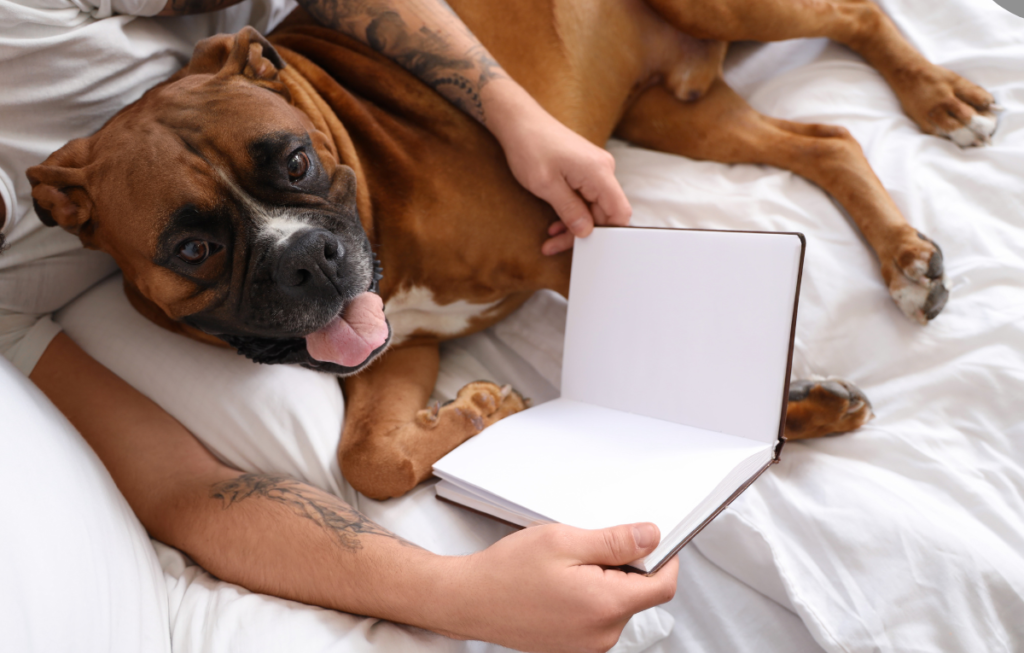
Let’s keep it real—bringing home a new dog is exciting. Their energy, curiosity, and those puppy eyes? Completely irresistible. But if you’re not prepared, that excitement can quickly turn into chaos. Between figuring out where they sleep, where they should go to the bathroom, how to behave around people, and how to not destroy your favorite shoes… it’s a lot.
And honestly? Most people don’t think about the training side until problems start showing up.
Here’s the truth:
Dogs don’t magically become “well-behaved”.
They learn through structure, consistency, and clear expectations. When you prepare properly from day one, you make training easier, prevent bad habits, and build a stronger bond with your dog.

Why Having a Plan Is So Important
Your dog’s first few weeks at home will shape their behaviour long-term.
This is when they:
- Learn your routine
- Understand expectations
- Start forming habits
And once habits form, they’re hard to break.
That’s why this checklist helps you:
- Eliminate confusion
- Build structure early
- Create a calm, consistent environment
Your dog doesn’t understand your world yet.
It’s your job to teach them.
Step 1: Prepare Your Home
Before your dog even walks through the door, your home should be ready.
Create a Safe Space
Your dog needs a place to feel secure.
This can be:
- A crate
- A dog bed in a quiet corner
- A small enclosed area
This becomes their “home base.”
Remove Temptation
Think like a puppy—everything is new and chewable.
Remove:
- Cords
- Shoes
- Small objects
- Anything dangerous
If it’s within reach, it’s fair game.
Stock Up on Essentials
Have everything ready before they arrive:
- Food and water bowls
- High-quality dog food
- Collar and leash
- Crate or bed
- Toys (especially chew toys)
- Cleaning supplies
Preparation saves you stress later.
Step 2: Set a Routine
Dogs thrive on consistency.
A routine helps:
- Reduce anxiety
- Speed up house training
- Improve learning
Stick to:
- Feeding at the same time daily
- Bathroom breaks (morning, after meals, before bed)
- Scheduled play and training
The more predictable your routine, the more confident your dog will feel.
Step 3: Start Training Immediately
Don’t wait. Not even a few days.
Start training the moment your dog gets home.
Begin with basic commands:
- Sit
- Stay
- Come
- Leave it
Use positive reinforcement:
- Keep sessions short (5–10 minutes)
- Reward good behavior
- Stay patient and consistent
Set House Rules Early
Decide what’s allowed—and stick to it.
If you don’t want:
- Jumping
- Furniture chewing
- Counter surfing
Don’t allow it even once.
Consistency is everything.
Step 4: Socialize Your Dog
Socialization shapes your dog’s future behavior.
Expose them to:
- New people
- Other dogs
- Different environments
- Sounds and situations
Do it the right way:
- Slowly
- Positively
- At your dog’s pace
A well-socialized dog is:
- More confident
- Less anxious
- Less reactive
Step 5: Keep Them Properly Exercised
A dog with pent-up energy won’t focus.
Daily exercise includes:
- Walks
- Playtime
- Training sessions
Don’t forget mental exercise:
- Training commands
- Puzzle toys
- Interactive play
A balanced dog is a calm, trainable dog.
Step 6: Learn to Communicate
Training isn’t just about talking—it’s about understanding.
Watch your dog’s cues:
- Body language
- Energy levels
- Reactions
Be clear when you train:
- Use the same commands
- Keep your tone consistent
Clear communication builds trust faster than anything else.
Step 7: Prevent Problems Early
It’s easier to prevent bad habits than fix them.
Supervise your dog:
- Inside the house
- During play
- In new environments
Correct gently:
Redirect unwanted behavior instead of punishing.
Guide them toward what they should be doing.

Step 8: Build Trust and Bonding
Your dog doesn’t just need training—they need connection.
Spend time:
- Playing
- Relaxing together
- Building trust
Be patient. This is all new for them.
Step 9: Stay Consistent
This is where most people slip.
Don’t stop enforcing rules once your dog improves.
Keep:
- Practicing commands
- Maintaining routines
- Reinforcing boundaries
Consistency keeps your dog confident and well-behaved.
Step 10: Monitor Progress
Every dog learns differently.
Pay attention to:
- What works
- What doesn’t
- How fast your dog learns
Reward progress
Even small wins matter.
Positive reinforcement keeps your dog motivated.

4 Common Mistakes to Avoid
1. Delaying Training
Start immediately—day one matters.
2. Being Inconsistent
Mixed signals confuse your dog.
3. Overloading Your Dog
Keep training short and fun.
4. Ignoring Bad Behavior
Address issues early before they grow.
Why This Checklist Works
When you follow the new dog checklist that sets you up for training success, you:
- Set clear expectations
- Build strong habits early
- Make training easier
- Reduce stress for both you and your dog
Dog training doesn’t have to be complicated—you just need the right approach.
Benefits of Starting Off Right
When you prepare properly, you’ll experience the following:
- Faster learning
- Better behavior
- A stronger bond
- Less frustration
And that makes everyday life with your dog much more enjoyable.
Final Thoughts
It’s okay to be excited about your new dog.
Just don’t let that excitement replace preparation.
Don’t hope things work out—set them up to work out.
When you follow The New Dog Checklist That Sets You Up for Training Success, you step into your role as a confident, consistent leader.
And dogs thrive with that.
Stay patient.
Stay consistent.
Stay intentional.
You’ve got this.
Save Pin for later.


- Dog Nutrition Guide for Better Health and Energy - May 23, 2026
- How to Keep Your Cat Healthy and Active at Home - May 17, 2026
- Dog Health Tips for Indoor and Apartment Living - May 17, 2026