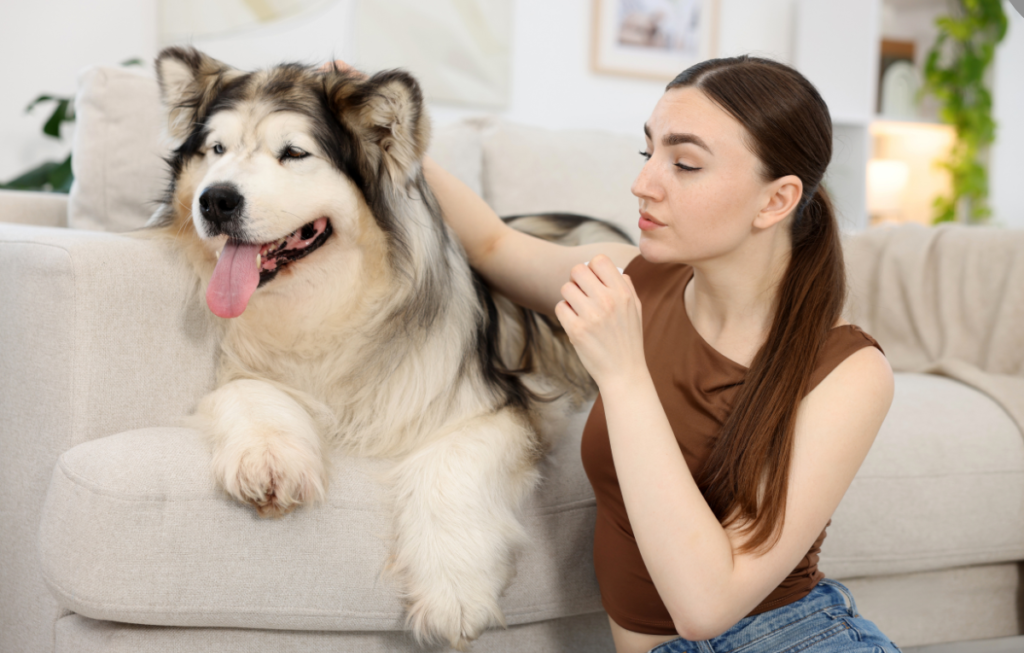
Does your dog hate getting groomed? When you try to brush them or trim their nails, do they pull away, whine, bark, or try to jump off the table? Trust me—you’re not alone. I’ve struggled with this with my own dogs. It can be incredibly frustrating when something that should be simple—like brushing your dog’s teeth or clipping their nails—turns into a full-blown battle.
That’s exactly why I want to show you how to desensitise a dog to grooming — tips that actually work. Most dogs don’t like being groomed. Being handled all over, combined with the sounds and sensations of grooming tools, can feel overwhelming or even scary. But it doesn’t have to stay that way.
Why Your Dog Resists Grooming
There are several reasons your dog may resist grooming:
- Lack of exposure
- Negative past experiences
- Sensitivity to touch
- Feeling out of control
Understanding this changed everything for me. It helped me realise that the key to success isn’t forcing grooming—it’s changing how your dog feels about it.
That’s the foundation of how to desensitise a dog to grooming.
What Does “Desensitise” Mean?
Desensitising your dog means helping them gradually get used to something that currently causes fear or stress.
It does not mean:
- Forcing your dog to tolerate grooming
- Physically restraining them
- Ignoring their stress signals
Instead, it means taking small, positive steps so your dog learns:
Grooming = good things happen
How to Start Desensitising Your Dog to Grooming
Step 1: Touch Before Tools
Before introducing any grooming tools, get your dog comfortable with being handled.
What to do:
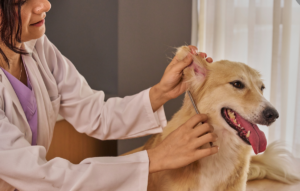
- Gently touch your dog all over
- Focus on sensitive areas like paws, ears, and tail
- Keep sessions short
Tips:
- Reward calm behavior
- Stop before your dog becomes uncomfortable
- Practise daily
Once your dog is relaxed with touch, move to the next step.
Step 2: Introduce the Tools
Dogs can be afraid of grooming tools just as much as handling.
How to introduce them:
- Let your dog sniff the brush or clippers
- Place tools nearby without using them
- Reward calm behavior
Never force interaction. Let your dog approach at their own pace.
Step 3: Pair Grooming With Something Positive
This step is critical.
Every time you groom your dog, follow it with something they love:
- Treats
- Praise
- Playtime
Over time, your dog will start thinking the following:
“When I get groomed, good things happen.”
Step 4: Take It Slow
Don’t try to do everything at once.
Break grooming into small steps:
- Day 1: Touch paws
- Day 2: Hold paws briefly
- Day 3: Introduce nail clippers
- Day 4: Trim one nail
Small steps prevent overwhelm.
Step 5: Keep Sessions Short
Short sessions are more effective than long ones.
Aim for:
- 5–10 minutes per session
- Frequent repetition
This keeps your dog from becoming stressed and helps build confidence over time.
Step 6: Stay Calm
Your dog feeds off your energy.
If you’re frustrated or tense, your dog will feel it.
Instead:
- Stay calm
- Be patient
- Keep your voice soft
Your energy sets the tone.
Step 7: Get Your Dog Used to Sounds
Many grooming tools are loud and can startle dogs.
How to help:
- Turn on the tools at a distance
- Reward calm behavior
- Gradually move closer over time
This reduces fear of noise before grooming begins.
Step 8: Don’t Push Too Far
This step can make or break your progress.
If your dog shows stress signals:
- Pulling away
- Growling
- Whining
Stop immediately.
Pushing past your dog’s limits will only set you back.
Step 9: Create a Routine
Dogs thrive on predictability.
Create a consistent grooming routine:
- Same location
- Same time
- Same order of steps
This helps your dog know what to expect.
Step 10: Focus on One Task at a Time
Don’t overwhelm your dog by doing everything at once.
Instead:
- Work on one task per session
- Master it
- Then move to the next
For example:
- First: brushing teeth
- Then: nail trimming
Step 11: Use the Right Tools
The tools you use matter.
Choose tools that suit your dog’s size, coat, and sensitivity.
Examples:
- Gentle brushes for sensitive coats
- Combs for short-haired dogs
- Nail grinders (often less stressful than clippers)
Step 12: Reward Calm Behaviour
Timing is everything.
Whenever your dog remains calm during grooming:
- Reward immediately
This reinforces the behaviour you want.
Step 13: Practice Outside Grooming Sessions
Don’t limit handling to grooming time.
During everyday interactions:
- Touch paws
- Lift ears
- Handle tail
This builds comfort in a low-pressure environment.
Step 14: Be Patient
This process takes time.
Your dog may not improve overnight—and that’s okay.
Stay consistent, and you’ll see progress.
Common Mistakes to Avoid
- Rushing the process
- Forcing your dog to stay still
- Ignoring stress signals
- Skipping rewards
- Doing too much at once
Avoiding these mistakes will make a huge difference.
When to Seek Professional Help
Consider working with a groomer or trainer if:
- Your dog is extremely fearful or aggressive
- You’re not seeing progress
- You feel unsure or overwhelmed
Getting help early can prevent bigger issues later.
Final Thoughts.
Desensitising your dog to grooming isn’t about forcing cooperation. It’s about changing how your dog feels about the experience. Once your dog begins to associate grooming with positive outcomes, everything changes. Grooming becomes manageable, less stressful, and something you can confidently handle at home.
I’ve seen it work with my own dogs—and it can absolutely work for yours too.
Save Pin for later.

- Dog Nutrition Guide for Better Health and Energy - May 23, 2026
- How to Keep Your Cat Healthy and Active at Home - May 17, 2026
- Dog Health Tips for Indoor and Apartment Living - May 17, 2026