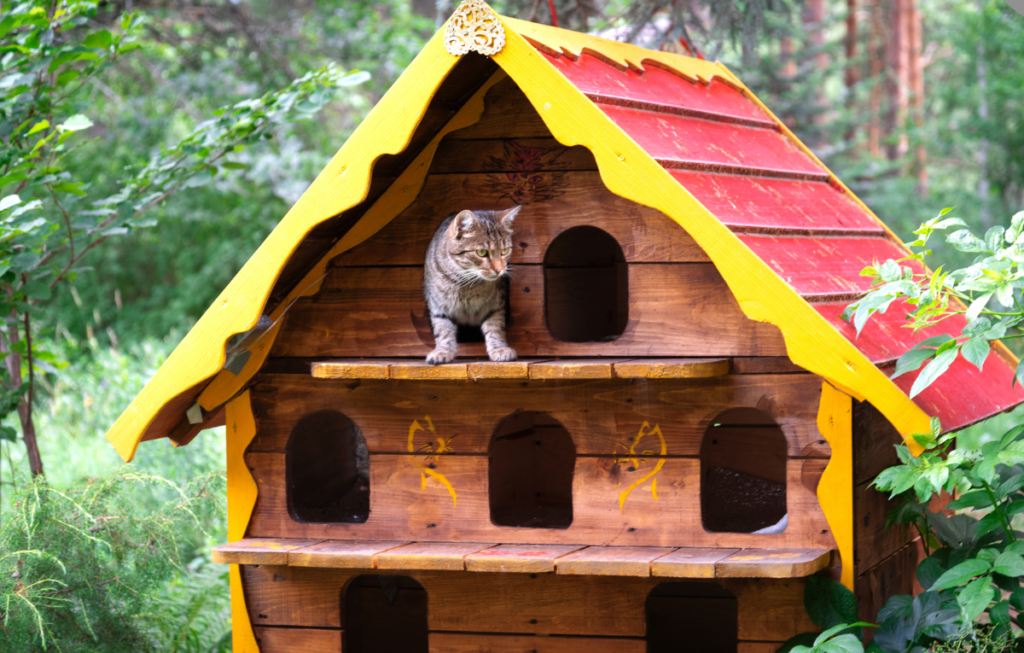
No Construction Experience? No problem. Building anything from scratch can seem intimidating, especially if you’ve never tried it before. That’s exactly how I felt when I first looked into building a catio. Where would I begin? I had never built anything with tools in my life. But when I discovered that a step-by-step catio DIY guide for beginners with no experience existed, I knew it was something I had to try.
You don’t need to be highly skilled in construction or tools to keep your kitty safe and happy. All it takes is patience, simple materials, and the right guidance. That’s why this step-by-step guide breaks down the entire process so you can clearly understand how to build a catio the right way.
What Is a Catio? (And Why You Should Build One)
For those unfamiliar with the term, a catio is short for “cat patio”. It is an enclosed outdoor space that attaches to your home (via a window, door, or as a standalone structure), allowing your cat to safely enjoy the outdoors without the risks of roaming freely.
Benefits of a catio include:
- Keeps cats from wandering
- Protects them from outdoor dangers
- Reduces indoor boredom
- Provides mental and physical enrichment
Build the Perfect DIY Catio Your Cat Will Love
Step 1: Design Your DIY Catio Build
Before purchasing materials, decide what you want your catio to look like.
Ask yourself:
- How big should it be?
- Where will it be located?
- Will it connect to a door or window?
- How many cats will use it?
Beginner-friendly catio ideas:
- Window box catio
- Patio extension catio
- Small backyard enclosure
- Balcony catio (apartment-friendly)
Start small—you can always expand later.
Step 2: Pick the Perfect Spot
Before construction begins, choose a suitable location.
Ideally, the space should:
- Have partial shade (not constant direct sunlight)
- Be on flat, stable ground
- Be close to your home for easy access
- Be visible for supervision
- Avoid low areas prone to flooding

Step 3: Gather Materials
Now it’s time to prepare your materials.
Basic materials:
- Wooden beams/lumber
- Wire mesh (hardware cloth preferred)
- Screws/nails
- Hinges (for doors)
- Outdoor sealant or paint
- Zip ties or clips
Tools you may need:
- Drill
- Saw
- Hammer
- Measuring tape
- Screwdriver
- Gloves
Step 4: Build Your Frame
The frame is the foundation of your catio.
Steps:
- Measure and cut your wood
- Build a square or rectangular base
- Install vertical support beams
- Add top framing
Tips:
- Ensure the structure is level
- Double-check all measurements
- Use strong screws for durability
Step 5: Attach Wire Mesh to Each Side
Wire mesh keeps your cat safely enclosed.
- Attach the mesh tightly to all sides
- Secure using staples, screws, or zip ties
- Ensure there are no gaps or loose sections
Tip:
Use hardware cloth instead of chicken wire for better strength and safety.
Step 6: Install a Door
Your catio needs a safe entry point.
Options include:
- Wooden frame with mesh door
- Pre-made garden gate
- Hinged panel door
Safety tip:
Ensure the door locks securely so your cat cannot escape.
Step 7: Add a Roof (Optional but Recommended)
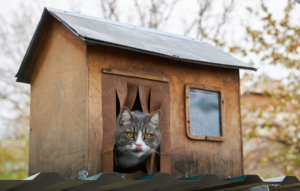
A roof provides protection from the weather and predators.
Roof options:
- Wood slats with mesh covering
- Clear plastic sheeting
- Mesh with a waterproof tarp
Step 8: Add Vertical Levels for Exploration
Cats love climbing and exploring heights.
Add:
- Shelves
- Platforms
- Ramps or ladders
Benefits:
- Encourages exercise
- Reduces boredom
- Supports natural climbing instincts
Step 9: Add Comfortable Elements
Make the space cosy and inviting.
Ideas:
- Soft bedding or cushions
- Covered resting boxes
- Cat hammocks
- Shaded lounging areas
Step 10: Add Toys & Entertainment
Enhance your cat’s experience with enrichment.
Consider:
- Hanging toys
- Scratching posts
- Puzzle feeders
- Cat-safe plants
Step 11: Double-Check Your Work
Before letting your cat inside, inspect everything carefully.
Check for:
- Sharp edges
- Loose mesh
- Escape points
- Weak structural areas
- Secure door latches
Safety is the top priority.
Step 12: Introduce Your Cat to the Catio
Now comes the fun part.
- Open the door and let your cat explore
- Allow them to adjust at their own pace
- Supervise during early sessions
- Reward them with treats
Some cats adapt quickly, while others may need time.
Common Mistakes When Building a Catio
1. Building too large too soon
Start small and expand later.
2. Using weak materials
Safety should always come first.
3. Ignoring weather conditions
Consider sun, wind, and rain exposure.
4. Poor measurements
Always measure twice before cutting.
5. Overcomplicating the design
Simple designs work best for beginners.
How Much Can You Save by Building Your Own?
DIY catios can be surprisingly affordable.
In many cases, you can build a basic catio for under $100, depending on materials and size—significantly cheaper than hiring a professional.
Planning to Expand Your Catio in the Future?
One of the best parts of a DIY catio is flexibility.
You can later:
- Expand the structure
- Add more platforms
- Build tunnels connecting to your home
- Increase roaming space
Start small and grow over time.
Maintenance Checklist
Catiots require minimal maintenance, but regular checks are important.
- Inspect the mesh for damage
- Clean surfaces and flooring
- Remove debris or leaves
- Check for rust or loose joints
Routine maintenance ensures long-term safety.
Closing Thoughts
Many people avoid DIY projects because they assume they lack the skills. The truth is, when you take things step by step, almost anyone can build a catio.
You don’t need to be a contractor to use this Step-by-Step Catio DIY Guide for Beginners With No Experience. You just need patience and a willingness to learn.
After building my own catio and watching my cats enjoy it safely, I realised it was worth every bit of effort. Not only did I create a safe outdoor space for them, but I also built something that brings joy every day.
A catio is more than just an enclosure—it’s a safe way for your cat to experience the outdoors while giving you peace of mind.
Save Pin for later.

- Dog Nutrition Guide for Better Health and Energy - May 23, 2026
- How to Keep Your Cat Healthy and Active at Home - May 17, 2026
- Dog Health Tips for Indoor and Apartment Living - May 17, 2026