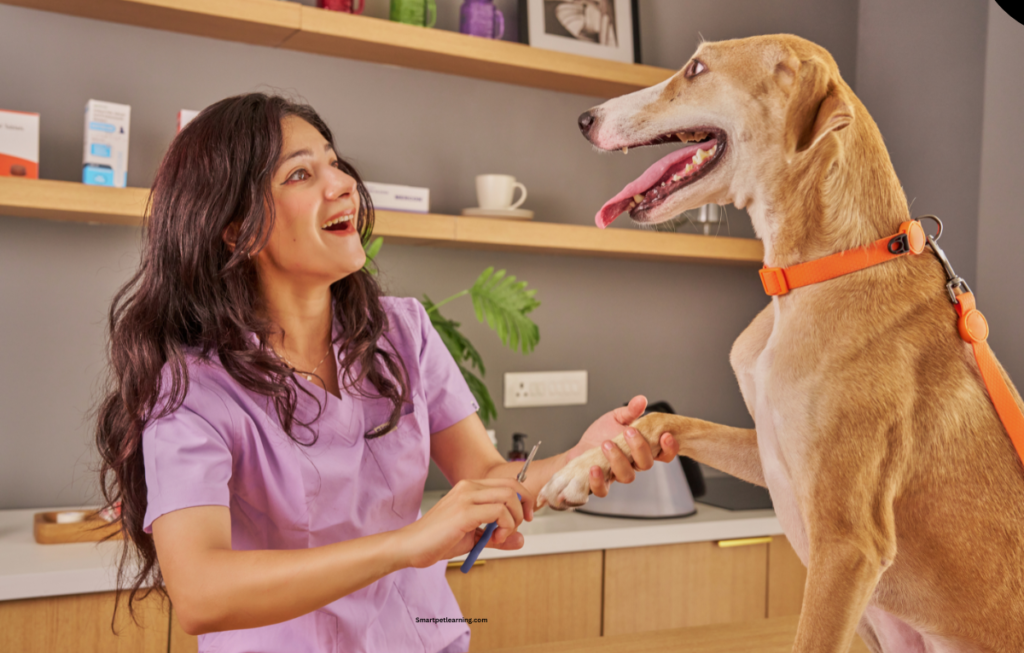
Veteran dog owners know that as dogs age, tasks that once seemed simple can become more challenging. Brushing your dog, giving them a bath, and trimming their nails may require extra patience and care as they grow older. It didn’t fully register for me until I had an ageing dog of my own. When my pup started getting older, grooming became an entirely different experience. That’s when I truly understood the importance of dog grooming for senior dogs — special considerations every owner needs.
Senior dogs often develop stiff joints, sensitive skin, decreased mobility, and even increased anxiety. A grooming routine that worked perfectly in the past may no longer feel comfortable for your dog. That’s where this guide comes in. I’ll walk you through how to adjust your grooming routine to better support your aging companion.
Why Dog Grooming Changes With Age
If you’ve had a dog for a while, you’ll notice they aren’t the same as they get older.
Common age-related changes include:
- Thinner, more delicate skin
- Joint discomfort or pain
- Reduced ability to stand for long periods
- Slower healing
- Increased skin issues
Once these changes become noticeable, it’s clear that grooming must be adapted. It needs to be gentler, slower, and more intentional.
Dog Grooming for Senior Dogs — Special Considerations Every Owner Needs is all about adjusting your approach to match your dog’s evolving needs.
Before grooming, ask yourself:
- Does your dog have trouble standing?
- Are there sensitive areas to avoid?
- Does your dog tire easily?
- Is your dog more irritable or anxious?
Observing your dog closely will help guide your approach.
Adjust Your Grooming Space
Just as you adjust your technique, you should also modify your environment.
Focus on:
- A quiet, calm space
- A non-slip surface (to prevent slipping)
- Comfortable room temperature
- Minimal noise and distractions
Senior dogs are often more sensitive to their surroundings, so a calm environment can make a significant difference.
Keep Grooming Sessions Short
Long grooming sessions can be exhausting for older dogs.
Instead, break grooming into shorter sessions that focus on one task at a time.
For example:
- Day 1: 5–10 minutes of brushing
- Day 2: Nail trimming
- Day 3: Bathing
This approach helps prevent fatigue and keeps your dog comfortable.
Brushing Your Senior Dog
Regular brushing is still essential, but it must be done more gently.
Benefits of brushing:
- Prevents matting
- Stimulates blood flow
- Maintains a healthy coat
Tips for brushing:
- Use a soft-bristle brush
- Brush slowly and gently
- Avoid pulling on knots
- Take breaks if your dog becomes tired or uncomfortable
Senior dogs have thinner skin, making gentle handling crucial.
Bathing Your Dog
Bathing can become more difficult as dogs age, especially if they struggle to stand.
Tips for bathing:
- Use lukewarm water (not too hot or cold)
- Choose a moisturizing dog shampoo
- Keep baths short
- Support your dog while they stand
For dogs with joint issues:
- Use a non-slip mat in the tub
- Avoid lifting your dog when possible—use a ramp if available
- Dry your dog thoroughly afterward
Make bath time as safe and stress-free as possible.
Trimming Your Dog’s Nails
Proper nail care is especially important for senior dogs, as long nails can affect posture and increase joint strain.
Best practices:
- Trim small amounts at a time
- Use sharp, high-quality clippers
- Avoid cutting into the quick
If your dog becomes uncomfortable, trim one or two nails at a time and continue later.
Special Nail-Clipping Tips
- Be mindful of sore or sensitive areas
- Consider trimming nails while your dog is lying down
Cleaning Ears and Eyes
Hygiene remains important as your dog ages, especially since senior dogs can be more prone to buildup.
Ear care:
- Check regularly for odor or debris
- Clean using a dog-safe solution
Eye care:
- Gently wipe discharge with a soft cloth
- Watch for redness or irritation
Regular checks help you catch issues early.
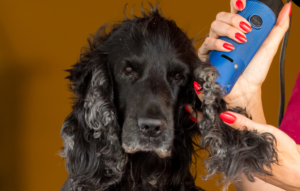
Supporting Dogs With Mobility Issues
If your dog has mobility challenges, allow them to sit or lie down during grooming.
You should never force your dog to stand if it causes discomfort.
Mobility limitations don’t stop grooming—they simply change how you approach it.
Managing Anxiety During Grooming
Some senior dogs develop increased anxiety.
Signs may include:
- Agitation
- Whining
- Resistance to handling
How to help:
- Keep sessions short
- Speak in a calm, soothing voice
- Offer treats and praise
- Maintain a consistent routine
Routine helps your dog feel secure and prepared.
Caring for Skin and Coat
Ageing can affect your dog’s skin and coat.
Common changes:
- Dry skin
- Thinning coat
- Increased shedding
Care tips:
- Use moisturizing shampoos
- Continue regular brushing
- Ensure proper nutrition
Diet plays a key role in maintaining healthy skin and coat.
Don’t Forget Dental Care
Grooming isn’t just about appearance—it also includes oral health.
Tips:
- Brush your dog’s teeth regularly
- Use dog-safe toothpaste
- Watch for signs of dental issues
Good dental care supports overall health and comfort.
When to Visit a Professional Groomer
If grooming becomes too difficult or stressful, consider a professional groomer.
This is especially helpful if your dog:
- Has severe mobility issues
- Becomes highly stressed during grooming
Choose a groomer experienced with senior dogs to ensure proper care.
Common Mistakes to Avoid
- Rushing the process
- Using the same techniques as before
- Ignoring your dog’s discomfort
- Skipping grooming altogether
Senior dogs still need regular grooming—it just needs to be adapted.
Establishing a Routine
Every dog is different, so your routine should be:
- Simple
- Gentle
- Consistent
Consistency helps reduce stress and makes grooming more predictable.
The Emotional Side of Grooming a Senior Dog
Caring for an older dog can bring both patience and concern. However, grooming also provides an opportunity to:
- Strengthen your bond
- Show care and attention
- Keep your dog comfortable
When I slowed down and adjusted my approach, grooming became less of a task and more of a meaningful experience.
Conclusion
Learning Dog Grooming for Senior Dogs — Special Considerations ‘Every Owner Needs’ means recognising that your dog’s needs have changed with age. They are no longer the same dog you once groomed with ease. They require more care—but that doesn’t mean grooming has to stop.
It simply means adapting your approach. Once I made those adjustments, everything improved. My dog became less anxious, more comfortable, and easier to groom. Grooming isn’t about perfection. It’s about keeping your dog comfortable, safe, and cared for.
Save Pin for later.

- Dog Nutrition Guide for Better Health and Energy - May 23, 2026
- How to Keep Your Cat Healthy and Active at Home - May 17, 2026
- Dog Health Tips for Indoor and Apartment Living - May 17, 2026