Stepping outside into your dog’s run can give you the immediate feeling of “Oh snap, it’s hot!” I’ve been there with my own dogs plenty of times. Before you know it, that cosy outdoor space you built for your pup can turn into a heat trap.
Luckily, by understanding these 5 signs your dog run is too hot (+ how to fix them), you’ll be able to recognise danger early and keep your dog safe. Let’s take a closer look. Inside a dog run, temperatures can rise much faster than you’d expect. Since dogs primarily regulate body heat through panting and minimal sweating via their paws and nose, they have far less ability to cool down than humans. This means their environment can quickly become dangerous. Part of keeping your dog safe is being able to identify when things are getting too hot.
Why You Need to Know If Your Dog’s Run Is Too Hot
Outdoor runs can become dangerous under the right conditions.
Here’s why dog runs overheat:
- Little to no airflow
- Hot air trapped by fencing
- Ground absorbing and retaining heat from the sun
- Few or no shaded areas
On hot days, your dog run can be up to 20°F (or more) hotter than the surrounding air.
That’s why knowing the 5 Signs Your Dog Run Is Too Hot (+ How to Fix Them) are essential. Heatstroke can become life-threatening in just minutes.
Sign 1: Heavy Panting, Drooling, Restlessness
Panting is normal for dogs. However, there are warning signs that indicate your dog is overheating:
- Forceful or rapid panting
- Excess drooling
- Pacing or inability to settle
- Constantly searching for shade
If your dog cannot comfortably relax in their space, that’s a strong sign the run is too hot.
Solution: Immediately move your dog indoors or to a cooler location. Provide cool (not ice-cold) water and a fan if possible. Create instant shade using tarps or umbrellas.
Panting alone isn’t always alarming, but combined with other signs, it becomes urgent.
Sign 2: Hot Ground
This is one many owners overlook—the ground inside the run can become dangerously hot.
Try this test:
Place your hand flat on the ground for several seconds. If it feels uncomfortable to you, it is even more uncomfortable for your dog.
Hot ground can cause the following:
- Paw burns
- Increased body heat from ground radiation
- Stress and discomfort
Solution: Lay down outdoor rugs or ventilated artificial grass. Spray the ground with water to cool it temporarily.
Sign 3: Little to No Shade
Shade is one of your dog’s most important defences against heat.
Signs of insufficient shade:
- Direct sunlight covers most of the run
- Moving or inconsistent shade throughout the day
- Small shaded areas that don’t fully cover your dog
Solution: Install shade cloth over the run. Use umbrellas or canopies for flexible shade. Plant dog-safe greenery for natural coverage.
Even on moderately warm days, lack of shade can become dangerous quickly.
Sign 4: Lying Down and Lethargic Behaviour
When dogs overheat, they reduce movement to avoid generating more heat.
Look for:
- Lying flat most of the time
- Loss of interest in toys or activity
- Sluggish or delayed responses
- Reluctance to stand or move
In essence, your dog is trying to conserve energy to avoid overheating.
Solution: Follow the cooling steps from Sign #1. You can also gently cool your dog’s paws and belly with cool (not freezing) water.
Sign 5: Excessive Salivation and Bright Red Gums
This is a serious warning sign.
Symptoms include:
- Thick drool or foaming saliva
- Bright red gums
- Dry nose combined with intense panting
- Confusion or disorientation
At this stage, your dog’s body temperature may be rising rapidly.
Solution: Cool your dog immediately using all available methods and seek veterinary attention as soon as possible.
Early intervention can prevent heatstroke—but rapid action is critical.
How to Cool Down Your Dog Run Quickly
If you notice any severe signs, act immediately:
- Spray down the run with water
- Create instant shade using tarps or umbrellas
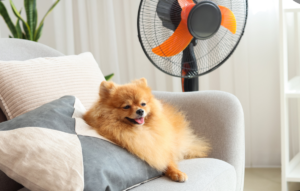
- Increase airflow with fans
- Use cold towels or ice packs in shaded areas
- Move your dog indoors if possible
When your dog’s health is at risk, take no chances.
How to Prevent Your Dog Run From Overheating
1. Invest in Shade
- Install permanent roofing
- Use UV-resistant shade cloth
- Add climbing plants for natural coverage
2. Improve Airflow
- Avoid fully enclosed structures
- Place the run in naturally breezy areas
3. Change Ground Materials
- Avoid concrete where possible
- Use grass, gravel, or heat-resistant mats
- Add raised platforms for cooling
4. Create Cooling Stations
- Provide multiple water bowls in shaded areas
- Use cooling mats
- Consider a misting system (in dry climates)
How to Keep Your Dog Safe Outside
Avoid outdoor exposure during peak heat hours, typically between 10 AM and 4 PM.
Better alternatives:
- Early morning walks
- Evening outdoor time
Your dog can still enjoy the outdoors during warmer hours, but supervision is essential.
Common Mistakes to Avoid
- Ignoring ground heat
- Assuming shade alone is enough
- Leaving dogs outside too long
- Not checking weather conditions regularly
Avoiding these mistakes helps you better understand the 5 Signs Your Dog Run Is Too Hot (+ Fixes) before emergencies happen.
Heatstroke: What to Do If It Happens
Signs of heatstroke include:
- Seizures
- Collapse
- Vomiting
- Extreme confusion
- Unresponsiveness
If any of these occur:
- Cool your dog immediately
- Seek emergency veterinary care
Final Thoughts
I hope you understand the 5 signs your dog run is too hot before you ever need them in an emergency. But if you do, I hope this guide helps you respond quickly.
Heat can sneak up on dogs faster than most owners realise. Don’t wait until your dog is visibly struggling. Learn the signs early and take preventive action now.
Your dog depends on you to recognise danger before it becomes life-threatening.
Save Pin for later.

- Dog Nutrition Guide for Better Health and Energy - May 23, 2026
- How to Keep Your Cat Healthy and Active at Home - May 17, 2026
- Dog Health Tips for Indoor and Apartment Living - May 17, 2026