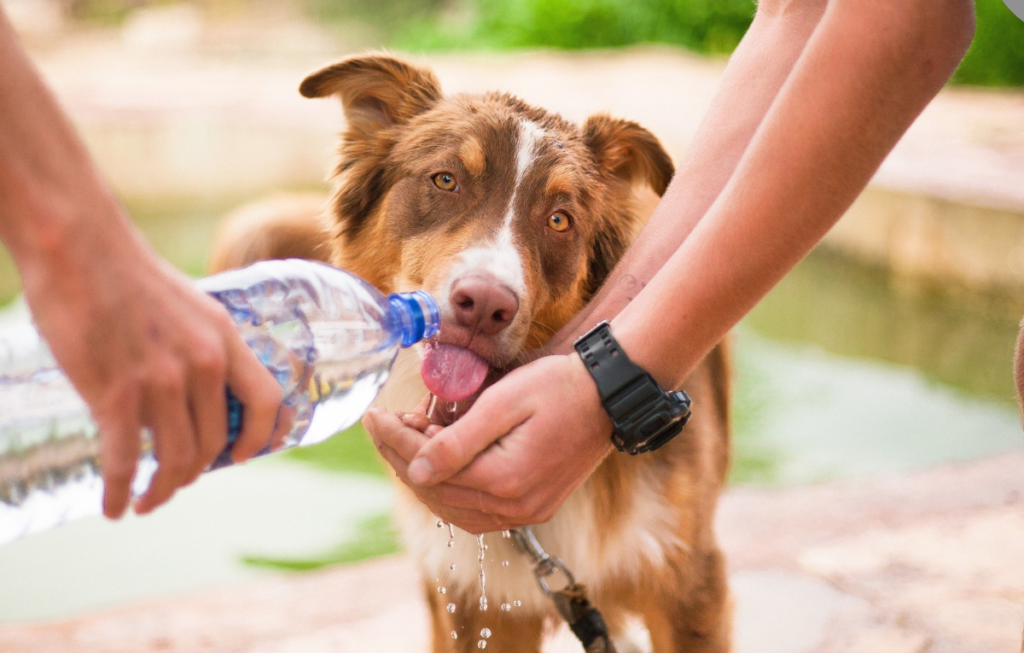
If you’re being honest with yourself, hydrating your dog might be one of the easiest things you forget to do when you’re outside. “I brought water—we’re good.” Sounds reasonable, right?
Well… not exactly.
Keeping your dog hydrated outside is more than just remembering a bottle of water. That’s why I’m going to teach you the best way to keep your dog hydrated in an outdoor setting. Heat and activity levels can sneak up on your pup quickly, making proper hydration absolutely vital. Watering your dog isn’t as simple as offering water from your own bottle. Dogs regulate heat differently than we do—they cool themselves primarily through panting.
Unlike being indoors with the AC blasting, hiking, long walks, or intense play outside can put your pup at risk of dehydration much faster than you think. And while hydration isn’t the most exciting topic, it’s one of the most important.
Why Hydration Is So Important for Dogs Outdoors
Let’s start here.
Water helps your dog:
- Regulate body temperature
- Support organ function
- Maintain energy levels
- And so much more
When your dog is outside and active, they lose water faster through panting, heat, and movement.
If that water isn’t replaced:
- They become dehydrated
- They overheat
- They can face life-threatening conditions
That’s why knowing how to keep your dog hydrated isn’t just helpful—it could save their life.
Signs Your Dog Is Getting Dehydrated
Don’t skip this part.
Signs include:
- Heavy panting
- Dry nose or gums
- Lethargy
- Sunken eyes
- Loss of appetite
Quick dehydration test:
Gently pull up the skin on your dog’s neck.
If it doesn’t snap back quickly, your dog may be dehydrated.
How Much Water Does Your Dog Actually Need?
This varies depending on:
- Size
- Activity level
- Weather
But a general rule:
Dogs need about ½ to ⅔ of their body weight in ounces of water per day.
And remember—if you’re outdoors, they’ll need MORE than usual.
The Best Way to Keep Your Dog Hydrated Outside: 8 Tips That Work
1. Bring Fresh, Clean Water
Always bring water for your dog.
Don’t rely on:
- Puddles
- Lakes
- Streams
They may contain bacteria or parasites.
2. Pack a Portable Water Bottle or Bowl
Convenience matters.
Bring:
- Leak-proof dog water bottles
- Collapsible bowls
This makes it easy to offer water regularly.
3. Offer Water Frequently
Don’t wait until your dog looks thirsty.
- Offer small amounts often
- Take breaks every 15–20 minutes during activity
Consistency is key.
4. Avoid Peak Heat Hours
Skip outdoor activity:
- Midday
- During extreme heat
Instead, go out:
- Early morning
- Late evening
5. Provide Shade and Rest
Your dog needs time to cool down.
- Use shade (trees, tents, umbrellas)
- Take regular breaks
6. Add Moisture to Food
Before heading out:
- Feed wet food
- Add water to dry kibble
This boosts hydration from the start.
7. Use Cooling Products
Helpful tools include:
- Cooling vests
- Cooling mats
These help regulate body temperature.
8. Train Your Dog to Drink on Cue
This may sound odd, but it works.
Training your dog to drink when prompted ensures they hydrate even when distracted.
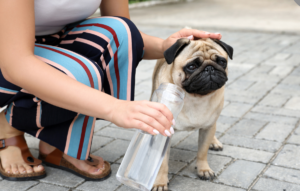
Special Considerations Based on Environment
Hiking or Long Walks
Bring:
- Extra water
- Portable bowls
Plan frequent stops—and shorten trips in hot weather.
At the Beach
Be careful with:
- Hot sand (can burn paws)
- Saltwater (unsafe to drink)
Make sure to:
- Bring plenty of fresh water
- Provide shade
- Watch for heat exhaustion
Parks & Short Walks
Even short outings require hydration.
Always bring water—even for quick trips.
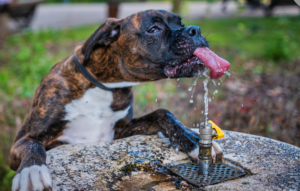
What Causes Dehydration?
Common factors include:
- Heat
- Exercise
- High activity levels
- Dry environments
When in doubt, bring water.
What to Avoid
- Ice-cold water (can upset their stomach)
- Waiting until your dog seems thirsty
- Ignoring early warning signs
Offer water proactively.
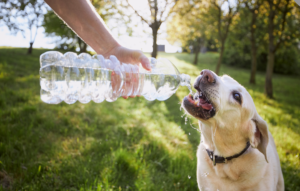
Emergency Situations: Heat Exhaustion & Heat Stroke
Signs of Heat Exhaustion
- Vomiting
- Diarrhea
- Increased heart rate
- Lethargy
What to do:
- Move to shade
- Offer small amounts of water
- Cool them with lukewarm (not cold) water
Signs of Heat Stroke (Emergency)
- Collapse
- Seizures
- Bloody diarrhea
- Excessive drooling
Get to a veterinarian immediately.
Heat stroke can be fatal.
Why Consistency Matters
Hydration isn’t a one-time thing.
When you’re outdoors, it’s constant.
Stay proactive—not reactive.
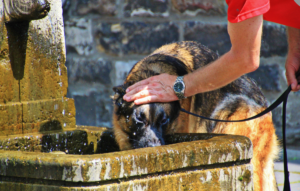
Natural Ways to Boost Hydration
Hydrating foods can help.
- Watermelon
- Oranges (in moderation)
- Carrots
- Squash
These can supplement water intake.
Long-Term Benefits of Proper Hydration
A well-hydrated dog:
- Has more energy
- Stays healthier
- Recovers faster
And you get peace of mind.
Final Thoughts
Remember when I said hydration is easy to forget?
It is.
When you’re outside having fun, it’s the small things that slip your mind—like bringing enough water for both of you.
Before you head out:
- Pack water
- Check the weather
- Plan for shade
These simple steps make a huge difference.
Because when your dog is safe and hydrated, you can actually relax and enjoy your time together.
Save Pin for later.

- Dog Nutrition Guide for Better Health and Energy - May 23, 2026
- How to Keep Your Cat Healthy and Active at Home - May 17, 2026
- Dog Health Tips for Indoor and Apartment Living - May 17, 2026