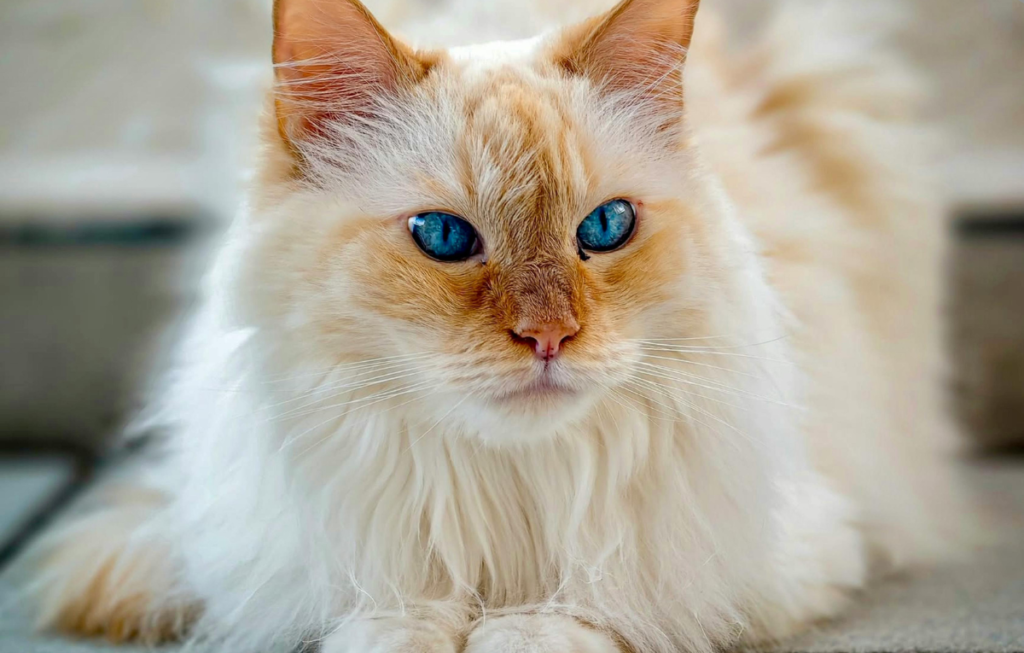
Did someone ever “force” you into picking up a cat who instantly relaxed in your arms like they had no bones at all? If so, you’ve already experienced firsthand why the Ragdoll is one of the most loving cat breeds. And if you haven’t, don’t worry—because I’m going to break down everything you need to know about this incredibly affectionate breed, including their personality, behaviour, care needs, and even a simple training guide to help you raise a well-adjusted Ragdoll.
Ragdolls are famously social cats that are not shy about showing affection. Many people even describe them as “dog-like” because they follow their owners around, seek attention, and form deep emotional bonds.
So let’s dive into exactly why the Ragdoll has earned its reputation as one of the most loving cat breeds in the world.
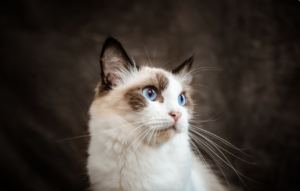
What Makes the Ragdoll Unique?
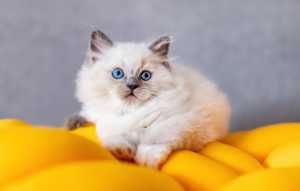
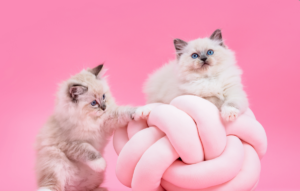
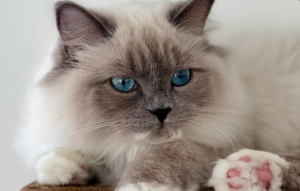
While their striking blue eyes and silky coats make them visually stunning, it’s their personality that truly sets them apart.
Key Ragdoll Traits:
- Extremely affectionate toward humans
- Calm and relaxed temperament
- Strong attachment to their owners
- High tolerance for being handled
That’s why when people ask, “Why is the Ragdoll one of the most loving cat breeds?”, the answer is usually obvious to anyone who has lived with one.
They don’t just tolerate human interaction—they actively seek it out.
The “Floppy” Personality
Ragdolls are famously known as “floppy cats,” and for good reason.
What Does That Mean?
When you pick up a Ragdoll:
- They relax their entire body in your arms
- They don’t resist being held
- They remain calm and comfortable during cuddles
This relaxed behaviour is where their name comes from—”Ragdoll”.
Why This Matters:
This isn’t just a cute trait. It reflects deep trust. A Ragdoll that relaxes in your arms is showing that it feels completely safe with you.
Why Ragdolls Are So Attached to Humans
Unlike many independent cat breeds, Ragdolls genuinely enjoy human company.
You will often find them:
- Following you from room to room
- Sitting near you while you work or relax
- Waiting for you at the doors or entryways
- Responding to your voice and presence
This level of attachment is one of the biggest reasons the Ragdoll is considered one of the most loving cat breeds.
They don’t just live in your home—they emotionally invest in you.
Naturally Gentle and Easygoing Personality
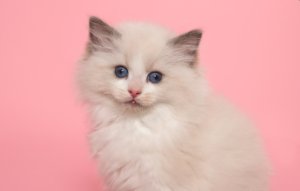
Ragdolls are known for their calm, non-aggressive nature.
Typical Temperament:
- Friendly
- Patient
- Easygoing
- Non-territorial
Why This Is Important:
This makes them ideal for:
- Families with children
- First-time cat owners
- Homes with other pets
They are less likely to scratch, bite, or react aggressively when properly socialised.
Attachment Style of Ragdolls
If cats had emotional attachment styles, Ragdolls would fall firmly into the “people-oriented” category.
Their attachment behaviour includes the following:
- Strong bonding with their owners
- Preference for companionship over solitude
- Desire to be physically close to humans
What This Means for You:
Owning a Ragdoll means adopting a cat that doesn’t just tolerate you—it actively chooses you.
They form emotional bonds that are surprisingly deep for a feline companion.
How Ragdolls Show Affection
Ragdolls may not always be loud or demanding, but they are extremely expressive in subtle ways.
Common Signs of Affection:
- Sitting next to or on you
- Slow blinking at you
- Headbutting your hands or face
- Soft, gentle purring
These behaviours may seem small, but in cat language, they are powerful expressions of love and trust.
Social Behavior of Ragdolls
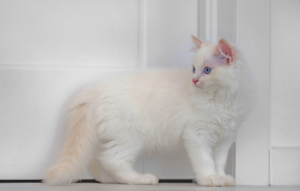
Ragdolls are highly social cats and generally enjoy interaction.
They typically:
- Get along well with humans
- Adapt to multi-pet households
- Enjoy companionship with dogs and other cats
Why This Matters:
Their social adaptability makes them one of the easiest cat breeds to integrate into different types of homes.
Ragdolls and Families
Ragdolls are especially popular in family households—and for good reason.
Family-Friendly Traits:
- Patient with children
- Tolerant of handling and petting
- Less reactive than many other breeds
However, children should still be taught to handle them gently, as Ragdolls are sensitive despite their calm nature.
Playfulness Without Chaos
Ragdolls do enjoy playtime, but they are not overly hyperactive.
What to Expect:
- Gentle play sessions
- Interest in toys
- Occasional short bursts of energy
What You Won’t See:
- Constant zooming around the house
- Destructive behavior
- Hyperactive chaos
They bring balance—playful, but peaceful.
Why Ragdolls Should Be Indoor Cats
Ragdolls are best kept indoors for several important reasons.
Reasons Include:
- They are extremely trusting and may not recognize danger outdoors
- They lack strong survival instincts compared to other cats
- They prefer comfort and safety over exploration
Keeping them indoors helps protect their health and emotional well-being.
Intelligence and Trainability
Despite their calm personality, Ragdolls are intelligent cats.
They can learn:
- Household routines
- Feeding schedules
- Basic behavior patterns
Simple Training Tips:
- Use positive reinforcement
- Reward good behavior with treats or affection
- Be consistent with routines
They respond best to gentle training rather than force or punishment.
Emotionally Sensitive Nature
One of the most fascinating traits of Ragdolls is their emotional awareness.
They can often sense:
- Your mood
- Changes in household energy
- Daily routine disruptions
Why This Matters:
This emotional sensitivity is another reason the Ragdoll is one of the most loving cat breeds. They don’t just exist around you—they respond to you.
Grooming Your Ragdoll
Despite their medium-to-long fur, Ragdolls are relatively easy to groom.
Grooming Routine:
- Brush 1–2 times per week
- Bathe occasionally if necessary
- Trim nails regularly
Why Grooming Matters:
- Prevents matting
- Keeps coat soft and shiny
- Supports healthy skin
Regular grooming also strengthens the bond between you and your cat.
Common Health Concerns
Like all purebred cats, Ragdolls have a few health risks.
Possible Issues:
- Hypertrophic cardiomyopathy (heart condition)
- Kidney-related diseases in some bloodlines
How to Reduce Risk:
- Choose a reputable breeder
- Schedule regular vet visits
- Feed a balanced diet
Early detection is key to long-term health.
Nutrition and Diet
Diet plays a major role in both physical health and behaviour.
A healthy Ragdoll diet includes the following:
- High-quality protein
- Healthy fats
- Limited fillers and artificial ingredients
Why Diet Matters:
A well-fed Ragdoll tends to be the following:
- More energetic
- More affectionate
- Less prone to behavioral issues
Good nutrition supports both body and mood.
Why Ragdolls Follow You Around
If you own a Ragdoll, you’ve likely noticed them following you everywhere.
Reasons Include:
- Strong attachment to you
- Desire for companionship
- Natural social behavior
They feel safest when they are close to their human.
Are Ragdolls Quiet?
Yes, Ragdolls are generally quiet cats.
How They Communicate:
- Soft meows
- Body language
- Physical closeness
They are more expressive through behaviour than vocalisation.
Common Myths About Ragdolls
Let’s clear up some misunderstandings.
Myth 1: “Ragdolls are lazy.”
False. They are simply calm, not inactive.
Myth 2: “They don’t need attention.”
Completely false. They thrive on human interaction.
Myth 3: “They are low maintenance in every way.”
Not entirely true. They still need grooming, vet care, and attention.
Emotional Depth of Ragdolls
Ragdolls are emotionally intuitive companions.
They often act like:
- Gentle emotional support animals
- Calm, reassuring presence in the home
- Loyal companions who stay close during stress
This emotional connection is a major reason people adore them.
Life With a Ragdoll
Living with a Ragdoll is a unique experience.
Morning:
They may greet you or quietly sit nearby.
Day:
They often follow you or stay close while you work.
Night:
Expect cuddles, closeness, or peaceful rest beside you.
They naturally become part of your daily rhythm.

Training Guide for Ragdolls (Simple and Effective)
Training a Ragdoll is relatively easy when done correctly.
Basic Training Tips:
- Use positive reinforcement
- Reward good behavior consistently
- Keep sessions short and calm
- Avoid punishment or yelling
What You Can Teach:
- Litter training (easy for most Ragdolls)
- Routine behaviors
- Simple commands like “come”.
They respond best to patience and consistency.
Final Thoughts
The reason the Ragdoll is one of the most loving cat breeds is simple: their entire personality revolves around connection, trust, and companionship. They are not just pets that live in your home—they are companions that actively participate in your life.
If I had to summarise everything in one sentence, it would be this:
Ragdolls don’t just live with you—they love you deeply and consistently.
And when a cat chooses to love you like that, it transforms the entire experience of pet ownership. That’s what makes Ragdolls truly special.
Save Pin for later.


- Dog Nutrition Guide for Better Health and Energy - May 23, 2026
- How to Keep Your Cat Healthy and Active at Home - May 17, 2026
- Dog Health Tips for Indoor and Apartment Living - May 17, 2026