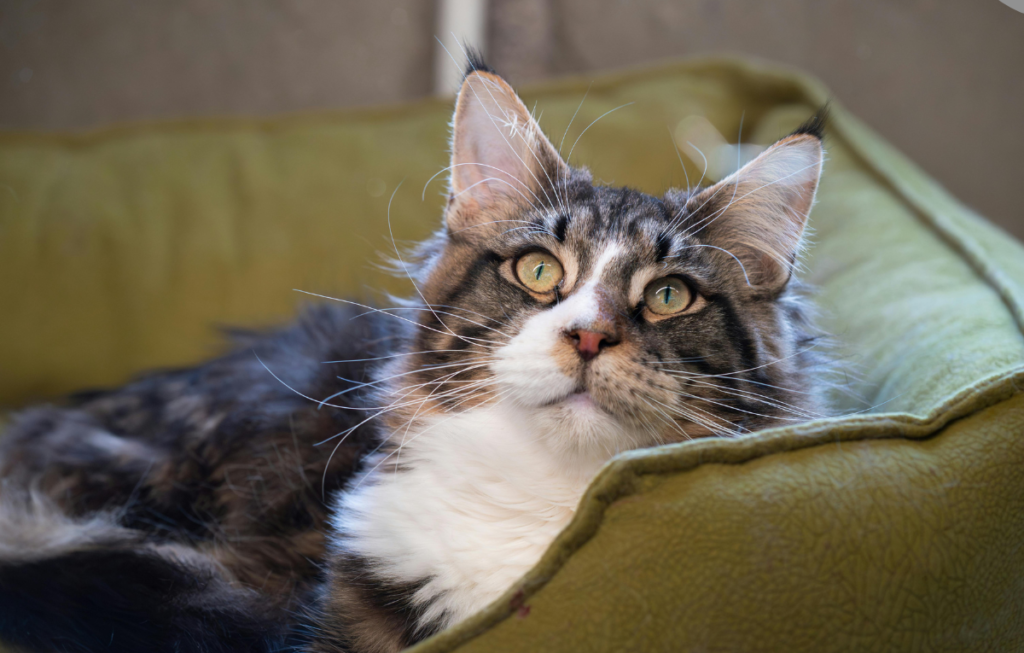
I fell in love with a Maine Coon once, and that began my obsession with everything about them. These large, cuddly creatures are like nothing else out there. That said, they do come with certain issues you should know about if you’re planning on bringing one home. When I first started researching them, I didn’t know much about Maine Coon Health Problems Every Owner Should Know. I quickly realised that if I wanted to keep my new furry friend around for a long time, I needed to learn more.
Maine Coons are relatively sturdy cats, but they are prone to certain genetic conditions that all responsible owners should be aware of. The good news is that most of these problems can be caught early with regular vet visits and vigilance on your part. In this complete guide, I will cover everything you need to know about keeping your Maine Coon as healthy as possible.
Why Do Maine Coons Have These Health Problems?
Maine Coons are one of the oldest natural breeds, having developed in cold climates. For this reason, they are physically resilient. However, years of selective breeding have led to certain inherited diseases.
Here are the biggest reasons. Maine Coons face breed-specific health issues:
- Size: Their large size puts additional stress on the joints and heart
- Genetics: Various bloodlines carry inherited weaknesses
- Slow development: They take years to reach full physical maturity
It’s important to understand why these conditions exist so you can help prevent or manage them whenever possible.
This is exactly why learning about Maine Coon Health Problems Every Owner Should Know is so important. Prevention is the best thing you can do for your cat. Reacting after the fact is never ideal.
Maine Coon Health Problems Every Owner Should Know
1. Hypertrophic Cardiomyopathy (HCM)
Let’s kick things off with probably the most well-known Maine Coon health problem.
The breakdown:
Hypertrophic cardiomyopathy (HCM) is a disease that causes the heart muscle to thicken. This makes it difficult for blood to pump efficiently through the body.
Symptoms may include:
- Labored breathing
- Lethargy
- Reduced activity levels
- Sudden death in severe cases
Why you should care:
HCM can go undetected for a long time without obvious symptoms.
What you can do:
- Schedule yearly vet screenings
- Consider genetic testing if available
- Monitor breathing and activity levels
This is one of the most common reasons Maine Coons have shorter lifespans than other cats. However, early detection can help slow progression and improve quality of life.
2. Hip Dysplasia
Hip dysplasia is more common in dogs, but Maine Coons are also prone to it due to their size.
The breakdown:
Hip dysplasia occurs when the hip joint develops improperly, leading to arthritis and pain over time.
Symptoms include:
- Difficulty jumping onto high surfaces
- Stiffness after resting
- Reluctance to climb or move
- Limping or changes in gait
Causes:
- Genetics
- Rapid growth as kittens
- Obesity
What you can do:
- Maintain a healthy weight
- Consider joint supplements
- Use vet-prescribed anti-inflammatories if needed
- Encourage low-impact exercise

3. Spinal Muscular Atrophy (SMA)
SMA is a condition that causes muscle weakness in Maine Coons.
The breakdown:
Motor neurones in the spinal cord gradually deteriorate, leading to muscle weakness.
Symptoms:
- Wobbly walking
- Weak hind legs
- Poor coordination
Key point:
SMA is not painful, and affected cats can still live normal indoor lives.
Many breeders now test for this condition, which has helped reduce its occurrence.
4. Polycystic Kidney Disease (PKD)
PKD is another hereditary condition seen in Maine Coons.
The breakdown:
PKD occurs when fluid-filled cysts develop on the kidneys, gradually affecting their function.
Symptoms:
- Increased thirst
- Frequent urination
- Weight loss
- Loss of appetite
How to detect it:
- Ultrasound
- Genetic testing
Management:
- Prescription kidney diet
- Constant access to fresh water
- Regular veterinary monitoring
PKD is one of those conditions that highlights why knowing Maine Coon Health Problems Every Owner Should Know is so important—it requires lifelong management.
5. Dental Disease
Maine Coons can develop dental issues just like any other cat.
Common problems:
- Gum disease
- Tooth decay
- Bad breath
Symptoms:
- Drooling
- Difficulty eating
- Swollen gums
What you can do:
- Brush their teeth regularly
- Provide dental treats
- Schedule professional cleanings
6. Obesity
Maine Coons love attention and can easily become overweight.
Problems linked to obesity:
- Joint stress
- Heart disease
- Diabetes
- Reduced mobility
What you can do:
- Avoid overfeeding
- Encourage daily exercise
- Limit treats
Maintaining a healthy weight is one of the most effective ways to prevent long-term health issues.
7. Urinary Issues
Maine Coons can also experience urinary tract problems.
Includes:
- UTIs
- Bladder inflammation
- Urinary crystals
Symptoms:
- Frequent urination
- Straining to urinate
- Blood in urine
- Accidents outside the litter box
- Vocalizing while urinating
What you can do:
- Provide plenty of fresh water
- Feed high-quality food
- Clean litter boxes regularly
Early detection is crucial here.
8. Joint Problems
This often overlaps with hip dysplasia.
Includes:
- Arthritis (especially in older cats)
- Stiffness
- Reduced mobility
What you can do:
- Provide soft bedding
- Maintain a healthy weight
- Use joint supplements (vet-approved)
- Encourage regular movement
9. Digestive Issues
Some Maine Coons have sensitive stomachs.
Symptoms:
- Vomiting
- Diarrhea
- Food sensitivities
How to manage it:
- Feed high-quality, limited-ingredient diets
- Transition food slowly
- Monitor reactions to different foods
Every cat is different, so this may take time to figure out.
10. Eye and Ear Issues
Maine Coons are also prone to common eye and ear conditions.
Eye problems:
- Watery eyes
- Conjunctivitis
Ear problems:
- Wax buildup
- Ear mites
- Ear infections
Prevention:
- Clean ears and eyes as needed
- Monitor for irritation or odour
- Visit the vet if symptoms appear
How to Keep Your Maine Coon Healthy
To reduce the risk of these conditions:
- Feed a high-quality diet
- Ensure daily exercise
- Provide mental stimulation
- Groom regularly
Routine is key:
Consistency is one of the most important factors in maintaining your Maine Coon’s health.
Why Early Detection Is Important
Early detection cannot be overstated.
The key to managing Maine Coon health problems every owner should know is catching issues early enough to slow progression.
Watch for:
- Behavioral changes
- Appetite changes
- Energy level shifts
- Mobility issues
Trust your instincts:
If something feels off, visit the vet. It’s always better to be safe.
Final Thoughts
Maine Coons are incredible pets, and I’m glad there are people willing to care for them. I can’t imagine my life without mine.
Remember: knowledge is power. The more you understand Maine Coon Health Problems Every Owner Should Know, the better prepared you’ll be to care for your cat and spot issues early.
Most health problems don’t appear suddenly—they develop over time. That gives you a real chance to intervene early. With annual vet visits, a healthy diet, and regular exercise, your Maine Coon can live a long, happy life full of cuddles, play, and companionship.
Save Pin for later.

- Dog Nutrition Guide for Better Health and Energy - May 23, 2026
- How to Keep Your Cat Healthy and Active at Home - May 17, 2026
- Dog Health Tips for Indoor and Apartment Living - May 17, 2026