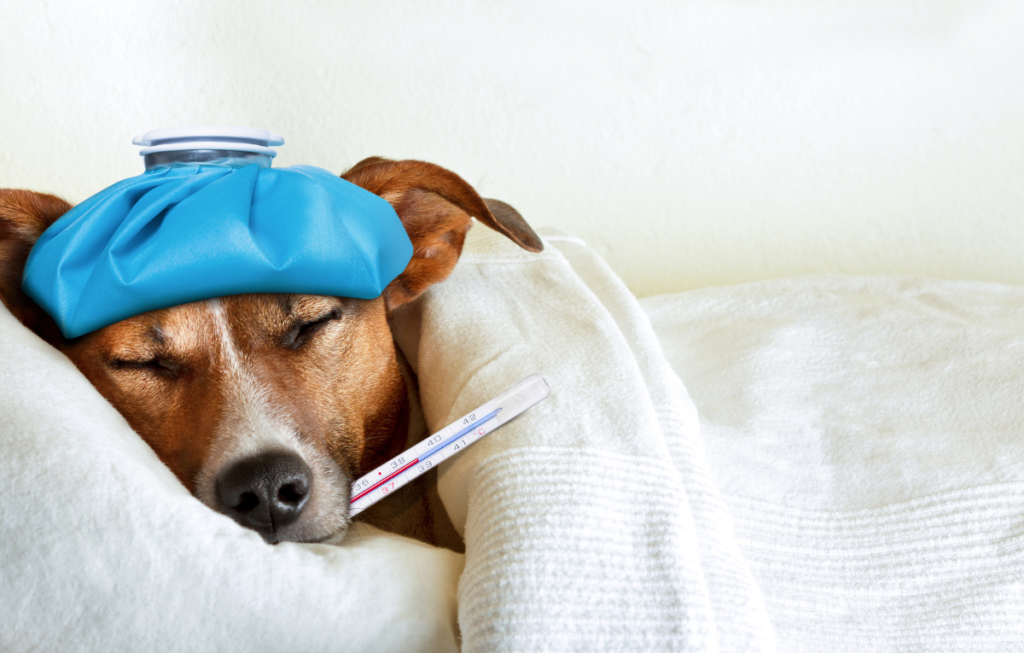
Want to give your dog the long, healthy, happy life you promised them? Then you should NEVER ignore dog health mistakes that can harm your pet.
Today, I’m going to walk you through some of the most common mistakes dog owners make every single day without realising how harmful they can become over time. Some of these habits may seem harmless at first. Others may even feel normal. But little by little, these small mistakes can impact your dog’s physical health, emotional well-being, behaviour, and overall quality of life. The truth is, most dog owners don’t intentionally harm their pets. These mistakes usually happen because life gets busy, routines change, or people simply don’t realise how serious certain habits can become. Unfortunately, dogs can’t tell us when something feels wrong. They depend on us to notice the signs.
That’s why understanding dog health mistakes that can harm your pet is one of the best things you can do as a responsible dog owner.
The good news? Most health problems are preventable once you know what to look for.
Let’s break everything down.
Why Small Health Mistakes Matter
Dogs rely on you for nearly everything:
- Food
- Exercise
- Safety
- Medical care
- Mental stimulation
- Emotional support
Every decision you make affects your dog’s health in some way.
A missed walk may not seem like a big deal. Extra treats every now and then probably won’t hurt either. Ignoring one small symptom might not immediately lead to disaster.
But what happens when these things become habits?
- Missing walks regularly
- Overfeeding every day
- Ignoring symptoms for weeks
- Skipping yearly vet visits
- Letting dental care slide
Over time, those “small” mistakes can become very serious problems.
That’s why prevention and consistency matter so much.
1. Overfeeding Your Dog
This is one of the most common dog health mistakes owners make.
Why does it happen?
Because feeding your dog feels good, giving treats feels like love. And when your dog looks at you with those big eyes, saying “no” feels impossible.
But overfeeding can seriously damage your dog’s health.
Problems Caused by Obesity
Excess weight puts stress on your dog’s entire body:
- Joints
- Heart
- Lungs
- Kidneys
- Spine
Obesity can also increase the risk of the following:
- Diabetes
- Arthritis
- Heart disease
- Mobility issues
- Shortened lifespan
Signs Your Dog May Be Overweight
- You can’t easily feel their ribs
- They have little or no waistline
- They tire quickly
- Heavy panting after light exercise
- Difficulty jumping or walking
Prevention Tips
- Feed measured portions
- Limit treats
- Avoid constant table scraps
- Use healthy snacks when possible
- Exercise consistently
Your dog doesn’t need endless food to feel loved.
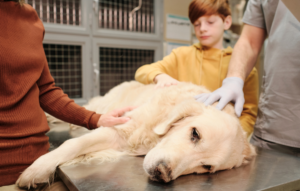
2. Skipping Vet Visits
Many owners only take their dog to the vet when something looks seriously wrong.
That’s a mistake.
Why Routine Vet Visits Matter
Yearly wellness exams can catch:
- Dental disease
- Early infections
- Weight problems
- Skin conditions
- Heart abnormalities
- Organ disease
Many diseases are much easier to treat early.
The scary part?
Dogs often hide symptoms until illnesses become advanced.
Recommended Vet Schedule
Healthy adult dogs:
- Once per year
Puppies:
- Every few months during development
Senior dogs:
- Every 6 months, if possible
Routine care saves lives.
3. Ignoring Dental Care
Dog dental care gets overlooked far too often.
A lot of owners assume “dog breath” is normal.
It isn’t.
Why Dental Health Matters
Poor oral health can lead to:
- Pain
- Gum disease
- Tooth loss
- Infection
- Difficulty eating
- Organ damage from bacteria
Warning Signs
- Bad breath
- Red gums
- Bleeding gums
- Drooling
- Trouble chewing
- Loose teeth
Prevention Tips
- Brush your dog’s teeth regularly
- Use dog-safe toothpaste
- Provide dental chews
- Schedule professional cleanings if needed
Dental disease can become extremely painful if ignored.
4. Not Giving Enough Exercise
Dogs NEED exercise.
Not an optional exercise.
Not “sometimes”.
Daily exercise.
Why Exercise Is Important
Exercise helps your dog:
- Maintain a healthy weight
- Reduce anxiety
- Build muscle
- Stay mentally stimulated
- Sleep better
- Behave better
What Happens Without Exercise?
Dogs that don’t get enough activity may become:
- Obese
- Hyperactive
- Destructive
- Depressed
- Anxious
Different breeds have different exercise needs.
A Border Collie and a Bulldog should not have the same routine.
Learn what your dog specifically needs.

5. Feeding Dangerous Human Foods
Some human foods are toxic to dogs.
And unfortunately, many owners don’t realise it until it’s too late.
Foods Dangerous to Dogs
Never feed your dog:
- Chocolate
- Grapes
- Raisins
- Onions
- Garlic
- Xylitol
- Alcohol
- Macadamia nuts
Some of these foods can cause the following:
- Kidney failure
- Seizures
- Poisoning
- Organ damage
- Death
Safe Rule
If you aren’t 100% sure a food is safe:
Don’t feed it.
6. Ignoring Behaviour Changes
Behaviour changes are often early signs of illness.
Dogs communicate through behaviour.
Changes You Should Never Ignore
- Sudden aggression
- Withdrawal
- Excessive barking
- Hiding
- Low energy
- Clinginess
- Anxiety
These can indicate:
- Pain
- Illness
- Fear
- Stress
- Cognitive decline
Too many owners label dogs as “bad” instead of recognising potential health issues.
7. Poor Grooming Habits
Grooming isn’t only about appearance.
It’s also a health check.
Problems Poor Grooming Can Cause
- Skin infections
- Painful mats
- Ear infections
- Nail problems
- Parasites
Important Grooming Areas
- Coat
- Ears
- Nails
- Teeth
- Paws
Regular grooming also helps you notice:
- Lumps
- Skin irritation
- Injuries
- Parasites
Early detection matters.
8. Leaving Dogs Alone Too Long
Dogs are social animals.
Too much isolation affects their emotional health.
Problems Caused by Isolation
- Separation anxiety
- Depression
- Excessive barking
- Destructive behavior
- Stress
Prevention Tips
- Spend quality time daily
- Leave mentally stimulating toys
- Create routines
- Hire a dog walker if necessary
Dogs need interaction to thrive emotionally.
9. Using Harsh Training Methods
Fear-based training damages trust.
Harmful Training Methods
- Yelling
- Physical punishment
- Dominance techniques
- Shock collars are used improperly
These methods can cause the following:
- Anxiety
- Aggression
- Fearfulness
- Emotional stress
Better Alternative
Positive reinforcement works better long-term.
Reward good behaviour.
Build trust.
Stay patient.
A confident dog learns better than a fearful one.
10. Skipping Parasite Prevention
Parasites are dangerous.
Common Parasites
- Fleas
- Ticks
- Heartworms
- Intestinal worms
Problems Parasites Cause
- Disease
- Skin irritation
- Infection
- Severe illness
- Anemia
Prevention Tips
- Use vet-recommended preventatives
- Check your dog regularly
- Keep bedding clean
- Stay consistent year-round
Parasite prevention is far easier than treatment.
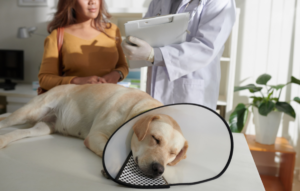
11. Allowing Your Dog to Become Obese
Yes, this deserves its own section.
Dog obesity is one of the biggest preventable health problems today.
Extra Weight Affects
- Joints
- Heart
- Breathing
- Energy
- Lifespan
Overweight dogs often:
- Struggle to move
- Tire quickly
- Experience chronic pain
- Develop the disease earlier
Prevention
- Portion control
- Consistent exercise
- Healthy treats
- Weight monitoring
Healthy weight equals a healthier life.
12. Neglecting Mental Stimulation
Physical exercise alone isn’t enough.
Dogs need to use their brains, too.
What Happens Without Mental Stimulation?
Bored dogs may:
- Destroy furniture
- Bark excessively
- Develop anxiety
- Become frustrated
Great Mental Activities
- Puzzle toys
- Sniffing games
- Training sessions
- Hide-and-seek
- New walking routes
Mental enrichment reduces stress and improves behaviour.
13. Ignoring Heat Safety
Heatstroke can happen quickly.
Some breeds are especially vulnerable.
Breeds at Higher Risk
- Bulldogs
- Pugs
- French Bulldogs
- Other flat-faced breeds
Heatstroke Symptoms
- Heavy panting
- Weakness
- Drooling
- Vomiting
- Collapse
Prevention Tips
- Avoid midday heat
- Provide shade and water
- Limit strenuous exercise
- Never leave dogs in hot cars
Heatstroke can become fatal very quickly.
14. Inconsistent Feeding Schedule
Dogs thrive on routine.
Problems Caused by Inconsistency
- Digestive issues
- Anxiety
- Behavior problems
Better Routine
- Feed at the same time daily
- Keep portions consistent
- Avoid random feeding
Routine helps dogs feel secure.
15. Ignoring Small Symptoms
Small symptoms matter.
Symptoms Owners Often Ignore
- Mild limping
- Increased thirst
- Occasional vomiting
- Reduced appetite
- Slight lethargy
These symptoms can indicate:
- Arthritis
- Kidney disease
- Diabetes
- Infection
- Digestive issues
Never assume symptoms will “just go away”.
16. Poor Socialisation
Dogs need exposure to the world.
Important Socialisation Experiences
- Different people
- Other dogs
- Sounds
- Environments
- New situations
Problems Poor Socialisation Causes
- Fearfulness
- Aggression
- Anxiety
- Reactivity
Early socialisation is ideal, but adult dogs can improve too.
17. Not Monitoring Water Intake
Water intake reveals a lot about health.
Warning Signs
- Drinking excessively
- Refusing water
Possible causes include:
- Kidney disease
- Diabetes
- Dehydration
- Illness
Pay attention to changes.
18. Unsafe Off-Leash Freedom
Not every outdoor area is safe.
Dangers Outside
- Cars
- Toxins
- Parasites
- Injuries
- Other animals
Safer Options
- Fenced yards
- Secure dog parks
- Leashes
- Supervised outdoor time
Freedom should always be safe.
19. Neglecting Sleep and Rest
Dogs need quality rest to stay healthy.
Why Rest Matters
Sleep affects:
- Immune system
- Mood
- Recovery
- Energy levels
Help Your Dog Rest Better
- Provide a quiet sleeping area
- Reduce stress
- Maintain routine
A tired, stressed dog is not a healthy dog.
20. Treating Dogs Like Humans
Dogs have emotions.
But they are still dogs.
Common Humanising Mistakes
- Feeding unhealthy table scraps
- Inconsistent discipline
- Misreading behavior
- Ignoring canine instincts
Better Approach
Learn how dogs think.
Understanding dog behaviour leads to healthier relationships and better training.
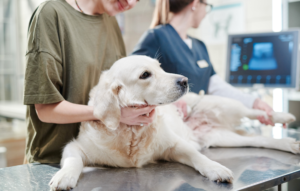
Prevention Is Better Than Treatment
Most serious health problems begin small.
That means you have the power to stop them early.
Healthy dogs usually have owners who are:
- Consistent
- Observant
- Proactive
- Educated
Small healthy habits matter.
Final Thoughts
Most dog health problems don’t happen overnight. They develop slowly through small daily habits. That’s why understanding dog health mistakes that can harm your pet is so important.
Pay attention to your dog.
Notice changes.
Stay consistent.
Build healthy routines.
Because when you care for your dog properly through good nutrition, exercise, grooming, mental stimulation, and preventative care, you’re doing more than helping them survive. You’re helping them truly thrive. And at the end of the day, isn’t that what every dog parent wants?
Save Pin for later.

- Dog Nutrition Guide for Better Health and Energy - May 23, 2026
- How to Keep Your Cat Healthy and Active at Home - May 17, 2026
- Dog Health Tips for Indoor and Apartment Living - May 17, 2026