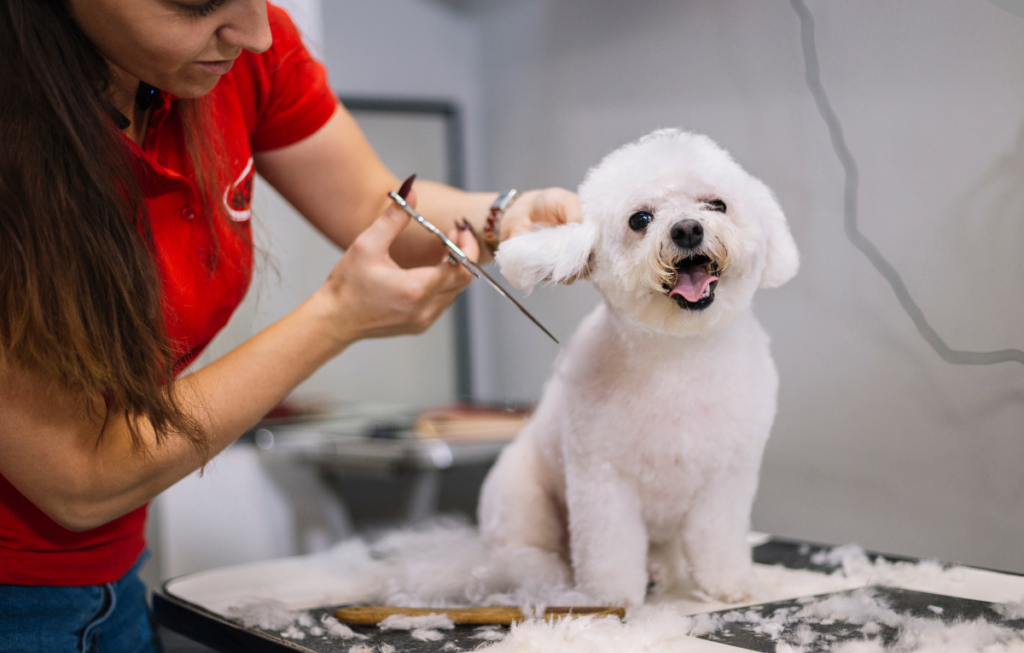
Let’s be real—when we think of grooming our dogs, we usually think of baths and brushing fur, right? The problem?
Most dog owners skip the areas that actually need the most attention. That’s why you NEED to understand dog grooming ears, nails, and teeth—the parts most owners skip. These simple, overlooked grooming habits can have a huge impact on your dog’s comfort, behaviour, and long-term health.
And here’s the truth: your dog isn’t going to walk up and say, “Hey, that hurts.” They’ll just tolerate it… until it becomes a serious problem.
Don’t let it get to that point.
Why These Areas Get Neglected
Dog grooming—ears, nails, and teeth…
Why do these areas get ignored?
Usually, it comes down to:
- Not knowing how
- Fear of hurting your dog
- Not knowing how often to do it
- Your dog is resisting every step of the way
It’s easier to focus on what we can see—like fur—than what takes effort to check.
But skipping these areas can lead to:
- Pain and discomfort
- Infections
- Behavior issues
- Expensive vet visits
Let’s fix that.
Dog Grooming Part 1 — Ears
Why Ear Care Matters
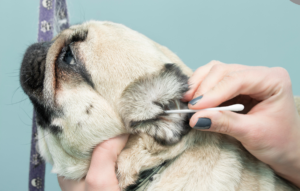
Your dog’s ears are sensitive and prone to problems.
Without proper care, they can develop:
- Wax buildup
- Infections
- Odor
- Irritation
Dogs with floppy ears are especially at risk because of limited airflow.
Signs Your Dog’s Ears Need Attention
Watch for:
- Frequent scratching
- Head shaking
- Redness
- Bad smell
- Discharge
If you notice these, it’s time to act.
How to Safely Clean Your Dog’s Ears
What you’ll need:
- Dog-ear cleanser
- Cotton balls or pads
Steps:
- Lift the ear flap
- Add a few drops of cleanser
- Gently massage the base of the ear
- Let your dog shake their head
- Wipe away debris with a cotton ball
Important: Never insert anything into the ear canal. Cotton swabs can cause serious damage.
How Often Should You Clean Their Ears?
- Active/outdoor dogs: check more frequently
- Dogs with past issues: weekly
- Most dogs: every 2–3 weeks
Dog Grooming Part 2 — Nails
Why Nail Trimming Is Important
Long nails can cause:
- Pain when walking
- Poor posture
- Increased risk of injury
Signs Nails Are Too Long
- Clicking on hard floors
- Nails visible when standing
- Difficulty walking comfortably
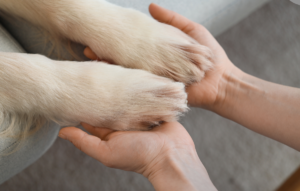
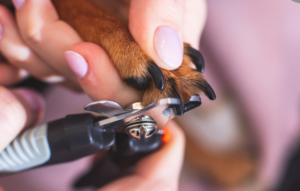
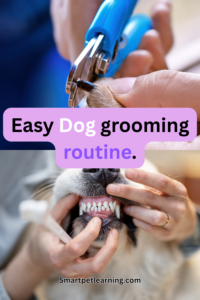
How to Trim Your Dog’s Nails
What you’ll need:
- Nail clippers or a grinder
- Styptic powder (in case of bleeding)
Steps:
- Hold your dog’s paw gently but firmly
- Locate the quick (the sensitive inner part)
- Trim small amounts at a time
- Reward your dog after each trim
Take it slow—this builds trust.
Nervous About Cutting Nails?
That’s normal.
Try this:
- Get your dog used to paw-handling
- Trim one nail at a time
- Use a grinder instead of clippers
How Often Should You Trim Nails?
Every 3–4 weeks is a good rule.
It may vary depending on activity and surface (grass vs concrete).
Dog Grooming Part 3 — Teeth
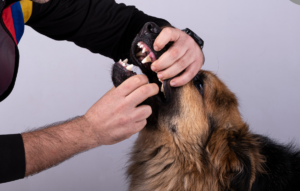
Why Dental Care Matters
This is the MOST skipped area—and one of the most important.
Neglecting teeth can lead to:
- Bad breath
- Tooth loss
- Infections
- Bacteria affecting the heart, liver, and kidneys
Signs Your Dog’s Teeth Need Attention
- Bad breath
- Yellow or brown buildup
- Red or bleeding gums
- Trouble chewing
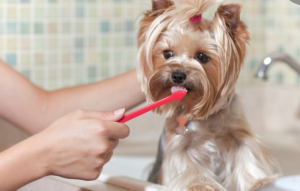
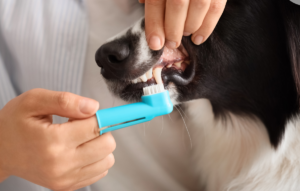
How to Brush Your Dog’s Teeth
What you’ll need:
- Dog toothbrush
- Dog-safe toothpaste
Steps:
- Let your dog get used to the toothpaste
- Lift the lip to expose teeth
- Brush in gentle circular motions
- Focus on the outer surfaces
Aim for about 2 minutes.
If Brushing Isn’t an Option
Try:
- Dental chews
- Water additives
- Dental wipes
(Stick with vet-recommended products.)
How Often Should You Brush Teeth?
Ideally: daily
Realistically, even 1–2 times per week is better than nothing.
Tips to Make Grooming Easier
Let’s be honest—most dogs don’t love grooming.
Here’s how to make it easier:
Start Young (If Possible)
The earlier, the better.
Keep Sessions Short
Don’t overwhelm your dog.
Break it into steps:
- Check ears
- Handle paws
- Look at teeth
Reward Good Behaviour
Praise and treats go a long way.
Stay calm.
If you’re anxious, your dog will be too.
Simple Dog Grooming Routine
Weekly:
- Check ears
- Inspect paws
- Look at teeth
Monthly:
- Trim nails
Weekly (ideal):
- Brush teeth
Consistency matters more than perfection.
Common Mistakes to Avoid
1. Waiting Too Long
Start early—don’t delay training.
2. Being Too Rough
Be gentle and patient.
3. Ignoring Early Signs
Small issues can turn into big problems fast.
4. Skipping Weekly Checks
You don’t need hours—just stay consistent.
Why Grooming Ears, Nails, and Teeth Matters
If you take one thing away from this…
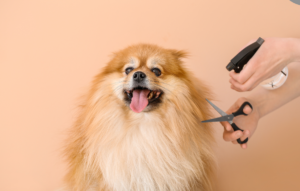
Grooming these areas is one of the BEST things you can do for your dog’s health.
Benefits include:
- Healthier ears
- Pain-free movement
- Cleaner teeth
- Fewer vet visits
Final Thoughts
Dog grooming isn’t just about baths and brushing fur. When you focus on dog grooming ears, nails, and teeth—the parts most owners skip—you drastically reduce your dog’s risk of pain and infection.
The small things matter.
Pay attention. Stay consistent. Take action early.
Because when you take care of your dog… they’ll take care of you.
Save Pin for later.

- Dog Nutrition Guide for Better Health and Energy - May 23, 2026
- How to Keep Your Cat Healthy and Active at Home - May 17, 2026
- Dog Health Tips for Indoor and Apartment Living - May 17, 2026