Have you ever looked at your cat doing something undeniably cute and asked yourself, “Why do you do that?” If so, you’re about to have your mind blown. I know I did when I learnt the answers to these seemingly silly questions.
You spend so much time watching them do random, odd, and downright hilarious things that don’t seem to make ANY sense… and then you realise EVERYTHING your cat does is purposeful. Suddenly, cute cat behaviours explained by science make total sense, and you view your cat in a whole new way. What once seemed like silly nonsense is actually your cat’s instinct, language, and biology at work. Your mysterious feline is actually communicating with you in ways you didn’t even know.
THIS is what I’m talking about.
Why Cats Do What They Do
If you really want to understand your cat, there’s one simple thing you should know:
Cats are predators and prey animals.
That means they are:
Naturally vigilant
Highly observant
Hyper-aware of their environment
Driven by instinct
Your kitty may be living indoors full-time and enjoying the plush life, but don’t be fooled—those instincts are still at play.
When you start learning Cute Cat Behaviours Explained By Science, you’ll begin to understand your cat on an instinctual level.
15 Adorable Cat Behaviours Explained
1. Kneading (Also Known as “Making Biscuits”)
This one’s pretty self-explanatory. Your cat presses their adorable little paws up and down into any soft surface they can find (usually you).
Why cats knead:
- Kittens knead their mother to stimulate milk production.
- Adult cats repeat this behaviour when they feel safe and comfortable.
What this means:
Your cat feels safe with you. They’re showing love and affection by associating you with their mother.
2. Slow Blinking
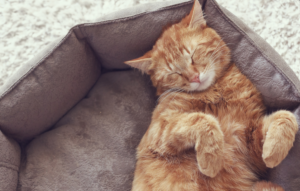
This subtle behaviour carries a big meaning.
What your cat is doing:
They’re looking at you and slowly closing their eyes.
The science:
Closing the eyes is a sign of vulnerability in the animal kingdom. Your cat only does this when they feel completely safe.
What this means:
Some call it a “cat kiss”. Try it yourself—slow blink back. Your cat may mimic you.
3. Bringing You “Gifts”
Yes, it’s weird. But it’s also kind of cute.
What your cat is doing:
Bringing you toys—or sometimes prey.
Why do they do it:
It’s instinctual. Mother cats teach their kittens to hunt this way.
What this means:
Your cat sees you as family. Sharing “gifts” is their version of caring.
4. Head Bunting (Head Butting)
What your cat is doing:
Gently bumping their head against you.
Why do they do it:
Cats have scent glands on their faces. They’re marking you.
What this means:
You belong to them (in the best way).
5. Following You Around
Some cats act like little shadows.
Why do they do it:
- Curiosity
- Attachment
- They simply like you
What this means:
They want to be near you.

6. Rolling Over and Showing Their Belly
This one confuses a lot of people.
What your cat is doing:
Exposing their belly.
The science:
The belly is a vulnerable area. Showing it means trust.
Important:
This does NOT always mean “pet me”.
7. Purring
That comforting sound we all love.
Why cats purr:
- Happiness
- Self-soothing
- Healing
The science:
Purring vibrations may help with stress relief and tissue repair.
What this means:
Your cat is usually content—or trying to comfort itself.
8. Zoomies
Sudden bursts of chaos and speed.
Why does it happen:
- Built-up energy
- Instinctual hunting behavior
- Boredom
What this means:
Your cat needs stimulation and playtime. Don’t take zoomies for granted!
9. Sitting on Your Laptop or Book
Classic cat move.
Why do they do it:
- It’s warm
- They want attention
- Curiosity
What this means:
They want to be where your focus is.
10. Chirping & Chattering
That strange noise when they see birds.
The science:
Excitement mixed with frustration (they can’t reach the prey).
What this means:
Your cat is fully engaged in hunting mode.
11. Sleeping in Small or Weird Places
Boxes, corners, tiny spaces—why?
Why cats do this:
- Security
- Warmth
- Protection
What this means:
Small spaces make them feel safe.
12. Tail Position & Movement
Your cat’s tail is a communication tool.
Examples:
- Tail up: Happy and confident
- Flicking tail: Irritated or excited
- Puffed tail: Scared or threatened
Learning tail language is a huge part of understanding your cat.
13. Grooming You
Yes—cats groom humans too.
Why do they do it:
- Bonding
- Scent marking
What this means:
You’re part of their family.

14. Sitting on You While You Sleep
Warm, cosy, and a little heavy.
Why do they do it:
- Warmth
- Comfort
- Security
What this means:
They feel safest near you.
15. “Talking” to You
Some cats are very vocal.
Why cats meow:
- Communication
- Attention
- Needs (food, play, etc.)
Fun fact:
Cats rarely meow at other cats—this is mostly for humans.
How This Makes You a Better Pet Parent
Understanding these behaviours helps you:
- Connect with your cat on a deeper level
- Feel less frustrated by “weird” behaviours
- Strengthen your bond
This is the power of cute cat behaviours explained by science.
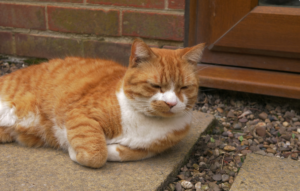
Cat Behaviour Myths
Myth: Belly exposure = “pet me”
Reality: Usually a sign of trust, not an invitation
Myth: Purring = happiness
Reality: Can also mean stress or self-soothing
Myth: Following you = clingy
Reality: Often curiosity and bonding
What You Should and Shouldn’t Do
DO:
- Respect your cat’s space
- Reward affection
- Provide toys and stimulation
DON’T:
- Force physical contact
- Punish natural instincts
- Ignore your cat
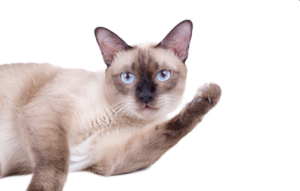
Why These Behaviours Exist
It all comes down to:
- Evolution
- Survival
- Instinct
Even the cutest behaviours have a purpose.
Final Thoughts
Maybe cats aren’t as mysterious as we thought. Once you understand cute cat behaviours explained by science, you start to see the method behind the madness. What once felt random now feels meaningful.
They’re not just being weird—they’re communicating, bonding, and expressing themselves in the only ways they know how. And when you understand that… you stop seeing just a cat.
You start seeing your cat.
And every little thing they do suddenly makes sense.
Save Pin for later

- Dog Nutrition Guide for Better Health and Energy - May 23, 2026
- How to Keep Your Cat Healthy and Active at Home - May 17, 2026
- Dog Health Tips for Indoor and Apartment Living - May 17, 2026