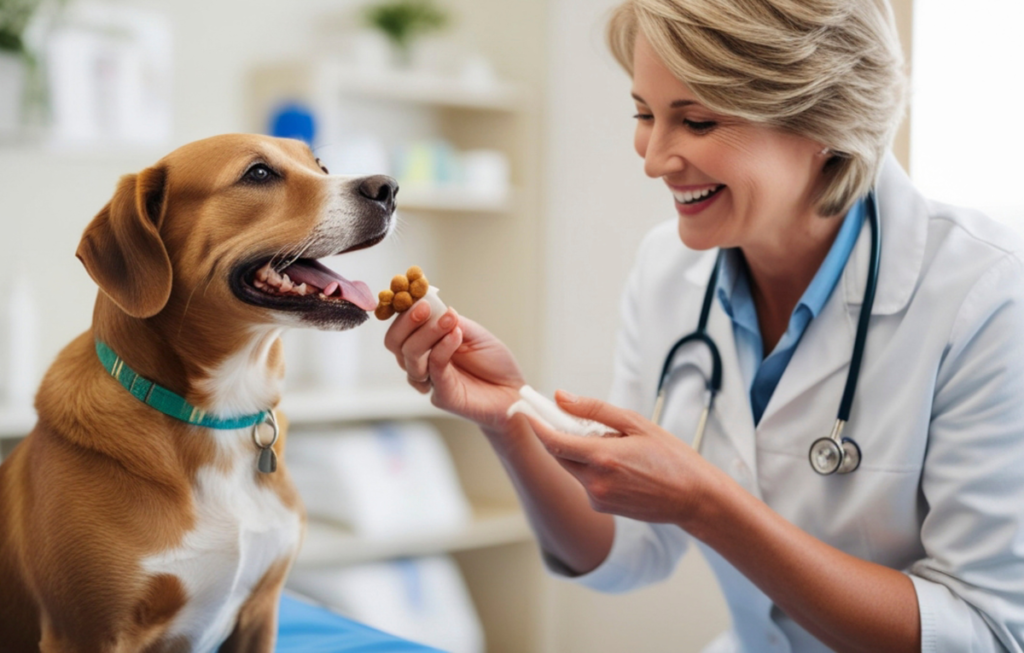
If you have a dog—or are planning to get one—one of the best things you can learn is about common dog health problems and how to prevent them. Understanding how dogs become sick, what warning signs to look for, and how your daily habits affect your dog’s wellbeing can completely change the quality of their life.
The truth is simple: your dog depends on you for everything.
Dogs cannot tell you when they feel pain, when something feels wrong, or when they are slowly becoming sick. While some illnesses happen suddenly, many common health problems develop quietly over time due to poor diet, lack of exercise, stress, unhealthy routines, or missed warning signs. The good news is that many of these conditions are preventable.
You do not need to be a veterinarian to help your dog stay healthy. You simply need consistency, awareness, and the willingness to pay attention to small details before they become major problems.
Why Dog Health Awareness Matters More Than Most Owners Realize
Many dog owners wait until their dog is obviously sick before visiting the veterinarian.
Unfortunately, by the time symptoms become noticeable, the issue may already be advanced. Prevention is always easier than treatment.
Preventative care helps you:
- Catch problems early
- Reduce expensive vet bills
- Improve your dog’s quality of life
- Increase lifespan
- Prevent unnecessary suffering
Healthy dogs are usually the result of healthy daily habits repeated consistently over time.
Simple things like feeding the proper diet, maintaining exercise routines, grooming regularly, and paying attention to behavioural changes can dramatically improve your dog’s long-term health.
Obesity: One of the Most Common Dog Health Problems
Obesity is one of the most common health issues affecting dogs today. It is also one of the most preventable.
Excess weight places stress on almost every part of a dog’s body and increases the risk of:
- Joint problems
- Arthritis
- Diabetes
- Heart disease
- Reduced mobility
- Shortened lifespan
An overweight dog may struggle during walks, tire quickly, or heavily pant after light activity.
Preventing obesity starts with proper feeding habits.
Portion control is extremely important. Many owners unintentionally overfeed their dogs through excessive treats or table scraps.
Daily exercise also plays a major role in maintaining a healthy weight and overall fitness.
Exercise helps:
- Burn calories
- Strengthen muscles
- Support joint health
- Improve mood and energy
Consistency matters more than intensity.
Dental Disease and Oral Health Problems
Dental disease is another extremely common issue in dogs, especially as they age.
Poor oral health can lead to:
- Bad breath
- Painful infections
- Tooth loss
- Difficulty eating
- Damage to internal organs if the infection spreads
Common warning signs include:
- Brown buildup on teeth
- Red gums
- Excessive drooling
- Difficulty chewing
- Strong bad breath
Fortunately, regular dental care can dramatically reduce these risks.
Helpful habits include:
- Brushing your dog’s teeth regularly
- Using vet-approved dental chews
- Scheduling professional cleanings when necessary
Good dental health impacts your dog’s entire body, not just their mouth.
Ear Infections and Ear Care
Ear infections are common in many dogs, especially breeds with floppy ears or dogs prone to allergies.
Moisture trapped inside the ears can create the perfect environment for bacteria and yeast growth.
Common signs include:
- Head shaking
- Scratching at ears
- Redness
- Foul odor
Preventing ear infections usually involves regular maintenance.
You should:
- Clean ears regularly
- Dry ears thoroughly after baths or swimming
- Watch for irritation or unusual smells
Early treatment helps prevent severe discomfort and chronic infections.
Skin Allergies and Irritation
Skin problems are one of the most common reasons dogs visit the veterinarian.
Dogs can develop allergies to food, fleas, environmental triggers, or grooming products.
Symptoms may include:
- Constant scratching
- Red skin
- Fur loss
- Excessive licking or chewing
Skin issues can seriously affect your dog’s comfort and happiness.
Helpful prevention strategies include:
- Feeding high-quality food
- Using gentle grooming products
- Preventing flea exposure
- Identifying environmental triggers
Healthy skin often starts with proper nutrition and grooming habits.
Joint Problems and Arthritis
Joint issues are especially common in older dogs, though younger dogs can develop them too.
Common causes include:
- Aging
- Obesity
- Genetics
- Injury
Signs of joint pain may include:
- Limping
- Difficulty standing
- Slower movement
- Reluctance to jump or climb stairs
One of the best ways to protect your dog’s joints is to maintain a healthy weight.
Regular exercise is also important because movement helps keep muscles strong and joints flexible.
Some dogs may benefit from joint supplements if recommended by your veterinarian.
Digestive Problems and Stomach Issues
Digestive issues are another extremely common concern among dog owners.
Vomiting, diarrhoea, constipation, and loss of appetite can happen for many reasons.
Common causes include:
- Sudden food changes
- Eating inappropriate items
- Food sensitivities
- Stress or anxiety
Many digestive issues can be prevented through consistency.
When changing dog foods, always transition gradually over several days.
You should also avoid excessive table scraps and keep dangerous foods out of reach.
Fleas, Ticks, and Parasites
Fleas and ticks are more than annoying pests. They can cause serious health issues if left untreated.
Flea infestations can lead to:
- Skin irritation
- Allergic reactions
- Hair loss
- Infections
Ticks can transmit dangerous diseases through bites.
Signs of fleas or ticks include:
- Constant scratching
- Small black specks in fur
- Visible parasites
- Irritated skin
Routine flea and tick prevention is one of the easiest ways to protect your dog’s health.
Heartworm Disease
Heartworm disease is serious but highly preventable.
Heartworms are transmitted through mosquito bites and can severely damage a dog’s heart and lungs.
Symptoms may include:
- Coughing
- Fatigue
- Difficulty breathing
- Reduced energy levels
Monthly heartworm prevention medication is one of the most important things you can give your dog.
Preventing heartworms is much easier and safer than treating the disease later.
Respiratory Problems in Dogs
Certain breeds are more prone to breathing problems than others.
Flat-faced breeds like the following:
- French Bulldogs
- Pugs
- Bulldogs
often struggle with breathing because of their facial structure.
Signs of respiratory problems include:
- Heavy panting
- Loud snoring
- Difficulty exercising
- Labored breathing
To reduce respiratory stress:
- Avoid intense exercise in hot weather
- Keep your dog cool
- Maintain a healthy body weight
Monitoring breathing is especially important for brachycephalic breeds.
Anxiety, Stress, and Emotional Health
Dogs experience emotional stress just like humans do.
Common causes of anxiety include:
- Separation anxiety
- Loud noises
- Lack of stimulation
- Inconsistent routines
Signs of anxiety may include:
- Excessive barking
- Destructive behavior
- Restlessness
- Chewing furniture
Dogs thrive when they feel safe and secure.
You can improve emotional health by:
- Creating a consistent routine
- Providing daily exercise
- Giving mental stimulation
- Spending quality time together
Mental stimulation is just as important as physical exercise.
The Importance of Annual Vet Visits
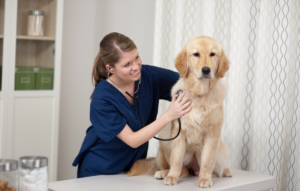
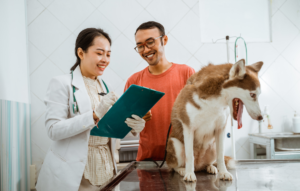
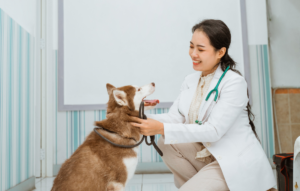
Regular veterinary visits are one of the best forms of preventative care.
Even if your dog appears healthy, annual checkups can help identify hidden problems early.
Veterinarians can monitor the following:
- Weight
- Dental health
- Vaccinations
- Mobility
- Internal health concerns
Many serious illnesses become easier to treat when caught early.
Grooming Is More Important Than Many Owners Think
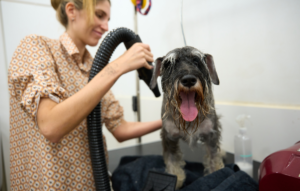
Grooming is about much more than appearance.
Routine grooming helps the following:
- Detect skin issues early
- Prevent infections
- Improve coat and skin health
- Reduce discomfort
Regular grooming should include:
- Brushing
- Nail trimming
- Ear cleaning
- Dental care
- Bathing when needed
Keeping your dog clean and comfortable improves their overall well-being.
Warning Signs You Should Never Ignore
Certain symptoms require immediate veterinary attention.
Contact your veterinarian immediately if your dog experiences the following:
- Trouble breathing
- Collapse or fainting
- Severe vomiting or diarrhea
- Inability to walk
- Unconsciousness
- Sudden extreme lethargy
Quick action can save your dog’s life.
Building a Healthy Routine for Your Dog
Healthy dogs usually have one major thing in common: consistency.
Dogs feel more secure when they know what to expect each day.
A healthy routine should include:
- Consistent feeding times
- Daily exercise
- Mental stimulation
- Grooming routines
- Comfortable sleep environments
Routine reduces stress and helps dogs feel emotionally secure.
Final Thoughts
Your dog does not need a perfect owner. They simply need an owner who genuinely cares and is willing to try. You do not need to change everything overnight. Small improvements made consistently can completely change your dog’s quality of life over time. Feed them better and walk them more. Pay attention to small symptoms. Schedule regular vet visits. Provide mental stimulation. Create a stable routine, and most importantly, stay consistent.
Because prevention does more than reduce illness.
It helps your dog live the healthy, comfortable, and happy life they deserve.
Save Pin for later.

- Dog Nutrition Guide for Better Health and Energy - May 23, 2026
- How to Keep Your Cat Healthy and Active at Home - May 17, 2026
- Dog Health Tips for Indoor and Apartment Living - May 17, 2026