If your cat is part of your family, you probably feel like you’d instantly know if something was wrong. But here’s the truth: most owners don’t realise… Cats rarely show obvious signs of illness. Instead, problems develop quietly. Slowly. Subtly.
That’s exactly why understanding Cat Health Red Flags Most Owners Miss is so important. When you learn how to spot the small, almost invisible changes in your cat’s behaviour, you give yourself the chance to step in early—before a minor issue becomes a serious one.
Because here’s the reality: cats are wired to hide pain. It’s not stubbornness. It’s a survival instinct. In the wild, a weak animal becomes a target. So cats evolved to mask discomfort for as long as possible. Even now, in the comfort of your home, that instinct hasn’t gone away. Which means by the time something looks “obviously wrong”, your cat may have been struggling for a while. But if you know what to look for, you can catch those early warning signs.
Let’s break them down.
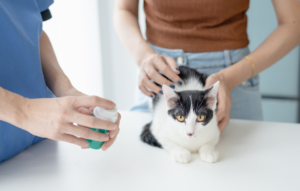
Why Cats Hide Illness So Well
Before diving into the most common cat health red flags most owners miss, it’s important to understand how cats actually express discomfort.
They don’t:
- Whine or cry loudly
- Limp dramatically right away
- Constantly seek attention
Instead, they communicate in quiet ways:
- Slight changes in routine
- Subtle behavioral shifts
- Small physical differences
And that’s what makes things tricky.
Most of these signs are easy to dismiss. You might think your cat is just tired, moody, or “being a cat.”
But in reality, those tiny changes are often the first clues that something isn’t right.
1. Changes in Appetite
A change in eating habits is one of the earliest and most important signs.
Watch for:
- Eating less than usual
- Suddenly eating more
- Ignoring favorite foods
- Taking longer to finish meals
What it could mean:
- Dental pain (very common)
- Digestive problems
- Kidney disease
- Stress or anxiety
Cats don’t usually skip meals without a reason.
If your cat refuses food for more than a day, it’s worth paying attention. Appetite changes are one of the biggest Cat Health Red Flags Most Owners Miss because they often start gradually.
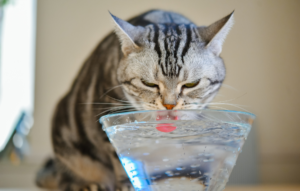
2. Changes in Water Intake
Most people don’t track how much their cat drinks.
But you should.
Red flags:
- Drinking significantly more water
- Barely touching their water bowl
Possible causes:
- Diabetes
- Kidney disease
- Dehydration
An easy trick: notice how often you refill the bowl. If that routine changes, your cat’s health might be changing too.
3. Litter Box Behavior
If you want a window into your cat’s health, look at the litter box.
Watch for:
- Going outside the box
- Straining to urinate
- Diarrhea or constipation
- Changes in smell or appearance
Could indicate:
- Urinary tract infections
- Bladder stones
- Digestive issues
- Stress
Litter box changes are one of the most overlooked cat health red flags most owners miss, mostly because they start subtly.
4. Gradual Weight Changes
Weight loss doesn’t happen overnight.
And that’s exactly why it’s easy to miss.
Look for:
- Slight thinning around the face or ribs
- A heavier or rounder body shape
- Changes in how your cat feels when you pick them up
Possible causes:
- Metabolic disorders
- Thyroid issues
- Overfeeding
- Chronic illness
Even a small shift in weight can signal something deeper.
5. Grooming and Coat Changes
Cats are naturally clean animals.
So when grooming habits change, it matters.
Red flags:
- Dull or greasy fur
- Matted areas
- Bald patches
- Excessive licking
Could indicate:
- Pain (especially in joints)
- Allergies
- Skin infections
- Stress
This is one of those cat health red flags most owners miss because it’s easy to assume your cat will “fix it themselves”.
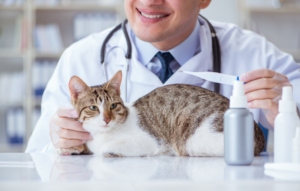
6. Changes in Activity Level
Every cat has a normal energy level.
You know what’s typical for yours.
Warning signs:
- Playing less
- Sleeping more than usual
- Avoiding movement
Could mean:
- Pain
- Illness
- Age-related decline
Cats will often still move around—but less enthusiastically.
That subtle difference is what you need to notice.
7. Increased Hiding
Cats love hiding—but there’s a difference between normal hiding and excessive hiding.
Red flags:
- Staying under furniture all day
- Avoiding interaction
- Not coming out for food or attention
Possible causes:
- Pain
- Stress
- Illness
If your social cat suddenly disappears, don’t ignore it.
8. Vocalization Changes
Cats communicate differently—but they do have patterns.
Watch for:
- More frequent meowing
- Strange or unusual sounds
- Sudden silence
Could indicate:
- Pain
- Discomfort
- Cognitive changes in older cats
Behavioural changes like this are often brushed off, making them one of the key cat health red flags most owners miss.
9. Breathing Changes
Your cat’s breathing should be calm and quiet.
Red flags:
- Rapid breathing
- Open-mouth breathing
- Wheezing
Could mean:
- Respiratory infections
- Heart problems
This is one area where you should act quickly.
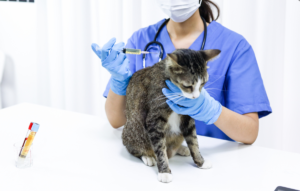
10. Dental Issues and Bad Breath
Most owners don’t check their cat’s mouth regularly.
Warning signs:
- Bad breath
- Drooling
- Difficulty chewing
Possible causes:
- Gum disease
- Tooth decay
- Oral infections
Dental problems can lead to bigger health issues if ignored.
11. Eye Changes
Healthy eyes are clear and bright.
Red flags:
- Redness
- Discharge
- Cloudiness
Could indicate:
- Infection
- Injury
- Eye disease
Even small changes here should be taken seriously.
12. Behavioral Shifts
Behaviour changes are one of the most important cat health red flags most owners miss.
Examples:
- Increased aggression
- Avoiding you
- Confusion
Many people assume it’s just personality, but often, it’s health-related.
13. Difficulty Jumping or Moving
Cats are naturally agile.
Warning signs:
- Hesitating before jumping
- Missing jumps
- Limping
Could mean:
- Arthritis
- Injury
- Joint pain
This is especially common in older cats—but not exclusive to them.

14. Digestive Issues
Occasional vomiting happens.
Frequent vomiting does not.
Watch for:
- Repeated vomiting
- Diarrhea
- Constipation
Possible causes:
- Food intolerance
- Infection
- Digestive disorders
Patterns are more important than isolated incidents.
15. Unusual Odors
Cats are clean animals.
So if they smell, something’s wrong.
Red flags:
- Persistent odor
- Smell from the mouth, ears, or skin
Could indicate:
- Infection
- Dental disease
- Skin issues
Why Early Detection Changes Everything
Recognizing Cat Health Red Flags Most Owners Miss Early can:
- Prevent serious illness
- Reduce medical costs
- Improve recovery outcomes
- Extend your cat’s life
The earlier you act, the better the outcome.
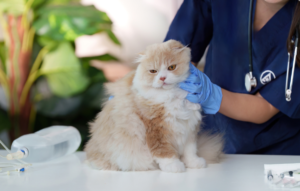
How to Be Proactive About Your Cat’s Health
Know Their Baseline
Your cat’s “normal” is your biggest tool.
Keep a Routine
Routine makes changes obvious.
Schedule Vet Visits
Annual checkups are essential.
Observe Daily
Small daily observations add up.
Trust Yourself
If something feels off, it probably is.
Common Mistakes Owners Make
Waiting Too Long
Hoping things “fix themselves” can make things worse.
Ignoring Small Signs
Small symptoms often lead to big problems.
Assuming It’s Normal
You know your cat. Trust that instinct.
Building Better Awareness as a Cat Owner
Awareness doesn’t mean anxiety.
It means being tuned in.
When you understand the cat health red flags most owners miss, you gain:
- Confidence
- Control
- Peace of mind
You stop guessing—and start knowing.
Final Thoughts.
Your cat won’t tell you when something is wrong. But they will show you—quietly.
That’s why learning Cat Health Red Flags Most Owners Miss is one of the most important things you can do as a cat owner.
Stay observant.
Stay consistent.
Stay proactive.
Because when you catch problems early, you’re not just reacting…
You’re protecting your cat’s health, comfort, and happiness for years to come.


- Dog Nutrition Guide for Better Health and Energy - May 23, 2026
- How to Keep Your Cat Healthy and Active at Home - May 17, 2026
- Dog Health Tips for Indoor and Apartment Living - May 17, 2026