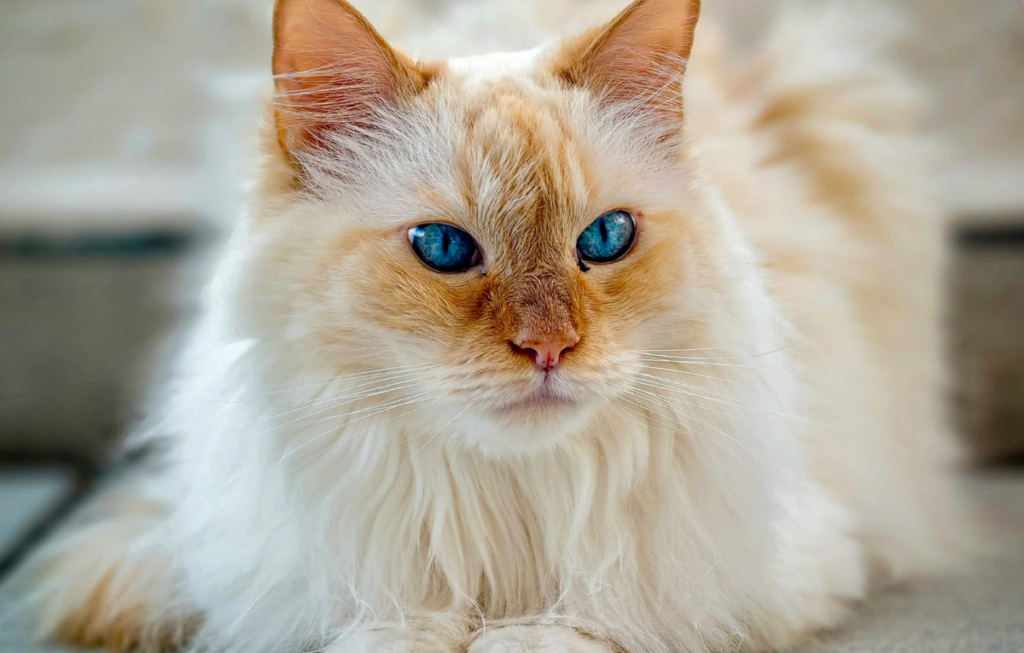
Got yourself a new fluffy bundle of joy—or thinking about it?
I remember when I first brought my kitten home. I thought I was prepared. I had the food, the toys, the litter box… everything. But what I didn’t expect was just how much happens in that first year. The first year is where everything begins: habits, behaviour, trust, and personality.
If you get this stage right, you’re not just raising a kitten—you’re shaping the adult cat they’ll become. In this guide, I’m going to walk you through every stage of your Ragdoll kitten’s first year—from those nervous first days all the way to a confident, affectionate young cat.
Let’s get into it.

Understanding the Ragdoll Personality First
Before you even start thinking about routines, feeding schedules, or toys, you need to understand one thing:
Ragdolls are not your average cat.
They’re known for being:
- Extremely affectionate
- Relaxed and easygoing
- Social and people-oriented
- Almost “dog-like” in behavior
This means something important for you…
Your kitten will want your attention.
A lot of it.
They’re not the type to disappear for hours and do their own thing. They’ll follow you, sit next to you, and sometimes even insist on being part of whatever you’re doing.
If you’re someone who enjoys constant companionship, you’re going to love this.
Month 1–2: The Adjustment Phase
Bringing your kitten home is exciting—but for them, it’s overwhelming.
Imagine being taken from everything familiar and placed in a completely new environment. That’s what your kitten is experiencing.
What You’ll Notice
- Hiding under furniture
- Quiet, cautious movements
- Hesitation around you
- Sudden bursts of curiosity followed by retreat
This is completely normal.
What You Should Do
This is where most people get it wrong—they try too hard.
Instead:
- Let your kitten explore at their own pace
- Avoid loud noises and sudden movements
- Sit nearby without forcing interaction
- Speak softly so they get used to your voice
Why This Stage Matters
This is where trust begins.
If your kitten feels safe during this stage, they’ll open up faster. If they feel overwhelmed, it can take longer for them to relax.
Think of this as laying the emotional foundation for your relationship.

Feeding Your Ragdoll Kitten Properly
Nutrition during the first year is critical.
Your kitten is growing rapidly, and what they eat directly impacts the following:
- Bone development
- Muscle growth
- Coat quality
- Energy levels
What to Feed
Stick to:
- High-quality kitten food
- High-protein formulas
- Balanced nutrients
Avoid:
- Adult cat food (too early)
- Human food
- Low-quality fillers
Feeding Schedule
- 3–4 meals per day
- Small portions spaced out
Kittens burn energy quickly, so they need consistent fuel.
Hydration Matters Too
Here’s something many people overlook: cats don’t naturally drink a lot of water.
To help:
- Provide fresh water daily
- Consider a water fountain
- Mix a little water into wet food
Hydration plays a huge role in long-term health.’
Month 3–4: Curiosity Takes Over
Now things start getting interesting.
Your kitten begins to feel more comfortable—and curiosity kicks in.
What You’ll Notice
- Exploring new areas of your home
- Increased energy
- Playful behavior
- Interest in everything you’re doing
This is when their personality starts peeking through.
What You Should Do
Now’s the time to engage:
- Introduce toys
- Start interactive play sessions
- Encourage exploration
Pro Tip
Don’t chase your kitten to play—let them come to you.
This builds confidence instead of fear.
Playtime: More Important Than You Think
Play isn’t just fun—it’s essential.
It mimics hunting behaviour, which helps your kitten:
- Develop coordination
- Build confidence
- Burn energy
- Stay mentally stimulated
Great Toy Options
- Feather wands
- Small balls
- Interactive toys
- Puzzle feeders
What to Avoid
- Using your hands as toys
This can encourage biting behaviour later on.

Month 5–6: Personality Explosion
This is one of my favourite stages.
Your kitten is no longer just “a kitten”—they’re becoming themselves.
What You’ll Notice
- Clear preferences (favorite toys, spots)
- Increased affection
- More confidence
- Curiosity turning into boldness
You’ll start to see:
- Whether they’re clingy or independent
- Playful or relaxed
- Talkative or quiet
Why This Matters
This is when your kitten’s long-term personality begins forming.
The way you interact with them now influences:
- Their confidence
- Their behavior
- Their bond with you
Litter Training (Keeping It Simple)
Most kittens naturally use a litter box, but you still need to set them up for success.
Tips for Success
- Keep the litter box clean
- Place it in a quiet, accessible location
- Use the same litter they’re used to
Common Mistake
Changing litter too soon.
Cats rely heavily on scent and familiarity. Keep things consistent.

Grooming: Start Early, Thank Yourself Later
Ragdolls have beautiful coats—but they require maintenance.
What to Do
- Brush 2–3 times per week
- Handle paws, ears, and tail gently
- Keep sessions short and positive
Why It Matters
Early grooming:
- Prevents matting
- Reduces shedding
- Gets your kitten comfortable with handling
And honestly, it’s also a great bonding time.

Months 7–9: Your Shadow Phase
At this point, your Ragdoll becomes your little shadow.
What You’ll Notice
- Following you everywhere
- Sitting next to (or on) you constantly
- Wanting attention throughout the day
This is peak bonding time.
What You Should Do
- Encourage affection
- Spend quality time together
- Maintain routines
Ragdolls thrive on consistency and connection.
Health Care During the First Year
Your kitten’s health needs close attention during this time.
Expect vet visits for:
- Vaccinations
- Growth monitoring
- Deworming
Why It’s Important
Catching issues early prevents bigger problems later.
Don’t skip checkups—even if your kitten seems perfectly fine.

Months 10–12: Transition to Young Adult
Your kitten is growing up.
What You’ll Notice
- Slower growth
- Calmer behavior
- More predictable routines
They’re not fully adults yet—but they’re getting close.
Behavior Training: What to Focus On
Your kitten is constantly learning from you.
Encourage:
- Gentle play
- Positive interactions
- Good habits
Avoid:
- Punishment
- Harsh corrections
Instead, redirect unwanted behaviour.
For example:
- Scratching furniture → provide scratching posts
- Biting → redirect to toys
Consistency is everything.
Socialization: Don’t Skip This
A well-socialised cat is a confident cat.
Introduce Your Kitten To:
- Other pets (slowly)
- Family members
- Guests
Why It Matters
It reduces fear and helps your kitten adapt to different situations.
Common Challenges (And How to Handle Them)
Let’s be real—things won’t always go perfectly.
1. Scratching Furniture
Solution: Provide scratching posts early.
2. Play Biting
Solution: Redirect to toys immediately.
3. Nighttime Energy
Solution: Increase playtime during the day.
4. Clinginess
Solution: Set gentle boundaries while still giving attention.
Building a Strong Bond
This is what it’s all about.
How to Build That Bond
- Play daily
- Sit near your kitten
- Talk to them calmly
- Respect their space
Ragdolls respond incredibly well to consistency and affection.
Transitioning to Adult Food
Around the 12-month mark, it’s time to switch.
How to Do It
- Mix adult food with kitten food
- Gradually increase the ratio
- Monitor digestion
A slow transition prevents stomach issues.

Signs of a Healthy Ragdoll Kitten
Your kitten should:
- Maintain a healthy weight
- Have bright, clear eyes
- Have a soft, clean coat
- Be active and curious
Warning Signs
- Loss of appetite
- Low energy
- Unusual behavior
- Digestive issues
If something feels off, trust your instincts and call your vet.
Why the First Year Matters So Much
Everything connects back to this.
The first year shapes:
- Behavior
- Health
- Personality
- Your bond
You’re not just raising a kitten—you’re building a lifelong relationship.
Final Thoughts
Raising a Ragdoll kitten during their first year is an experience you’ll never forget. There will be moments where you feel unsure. Times when you wonder if you’re doing everything right. But here’s the truth:
You don’t need to be perfect.
You just need to be:
- Consistent
- Patient
- Present
Your kitten doesn’t need perfection—they need you. Give them your time, your attention, and your care, and they’ll give you something back that’s hard to describe:
Trust.
Love.
Connection.
And before you know it, that tiny kitten will grow into a loyal companion who follows you from room to room, curls up next to you, and becomes a part of your everyday life.
That’s what makes it all worth it.
Save Pin for later.


- Dog Nutrition Guide for Better Health and Energy - May 23, 2026
- How to Keep Your Cat Healthy and Active at Home - May 17, 2026
- Dog Health Tips for Indoor and Apartment Living - May 17, 2026