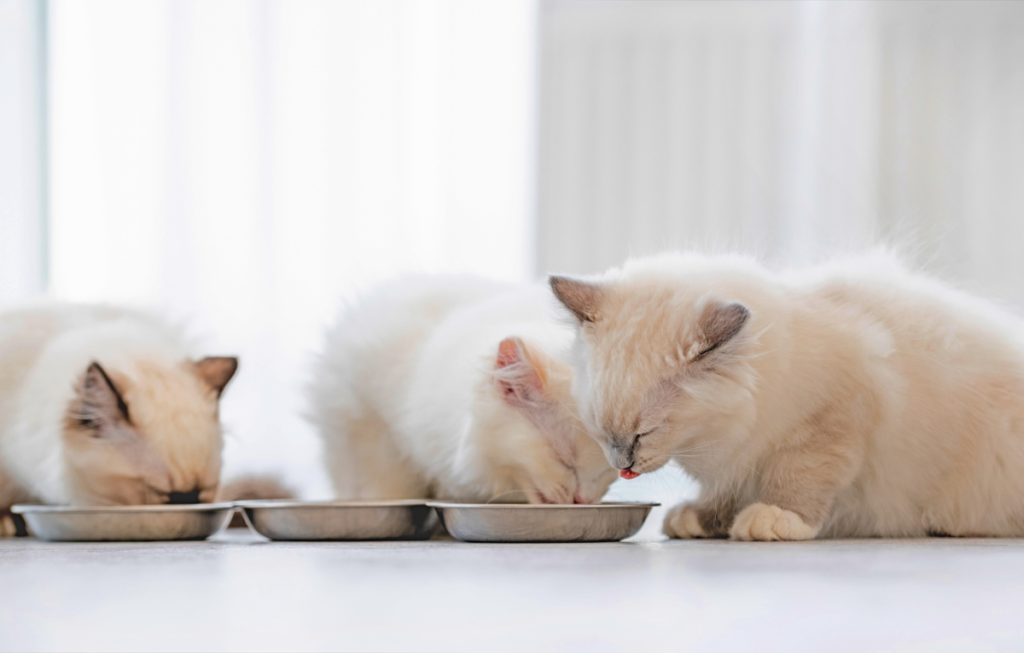
Having a happy and healthy cat starts with feeding them properly. If you want your cat to stay healthy and playful and maintain that silky coat Ragdolls are loved for, paying attention to Feeding Your Ragdoll: Best Diet for Health and Growth is one of the best things you can do.
In this guide, I’ll walk you through everything you need to know about feeding your Ragdoll in a way that’s simple, practical, and easy to apply. Whether you’ve just brought home a kitten or you’re caring for a full-grown cat, understanding proper nutrition will make a massive difference in their health and quality of life.
Your Ragdoll is not like your friends’ cats.
They are large, slow-growing, and naturally relaxed cats. What they eat—and how much they eat—plays a huge role in their development, energy levels, and long-term health. Feed them correctly, and you’ll have a thriving, affectionate companion. Feed them poorly, and you may deal with weight issues, dull coats, and health problems down the line.
So let’s break it all down.
Feeding Your Ragdoll: Things to Consider
Before choosing food, you need to understand what makes Ragdolls unique.
Here are the key traits that affect their diet:
- Ragdolls are large-bodied cats
- They take longer to mature (up to 3–4 years)
- They are moderately active
- They are prone to weight gain
What this means for you
You need to strike a balance between supporting growth and preventing overfeeding. This is where many owners go wrong—they assume a bigger cat equals more food. In reality, controlled, high-quality feeding is what keeps them healthy.
Understanding What Makes a High-Quality Diet
Once you understand nutrition basics, choosing food becomes much easier.
1. High-Quality Protein (The Foundation)
Cats are obligate carnivores, which means they must eat animal-based protein to survive.
Protein is responsible for:
- Muscle growth
- Tissue repair
- Sustained energy
Best protein sources:
- Chicken
- Turkey
- Fish
- Beef
What to check on labels:
Always ensure real meat is the first ingredient. Avoid foods where fillers or grains dominate the ingredient list.
2. Healthy Fats
Fats are essential—not something to avoid.
They help with:
- Brain function
- Skin and coat health
- Energy supply
Good fat sources include:
- Fish oil
- Chicken fat
- Animal-derived oils
For Ragdolls, fats are especially important because they directly impact that soft, luxurious coat.
3. Vitamins and Minerals
Your Ragdoll needs micronutrients for internal health.
Key ones include:
- Calcium (bone strength)
- Phosphorus
- Taurine (critical for heart and vision)
- Vitamins A, D, and E
A deficiency in taurine alone can lead to serious health issues, so never compromise on balanced nutrition.
4. Minimal Carbohydrates
Cats don’t require carbohydrates, but small amounts are acceptable.
Better carb sources:
- Rice
- Sweet potatoes
Avoid foods overloaded with corn, wheat, or soy. These add bulk but little nutritional value.
Wet Food vs. Dry Food: What’s Better?
This is one of the biggest debates among cat owners.
Wet Food Benefits
- High moisture content
- Supports hydration
- Easier digestion
Wet Food Downsides
- More expensive
- Shorter shelf life
Dry Food Benefits
- Convenient
- Helps dental health
- Easy to store
Dry Food Downsides
- Low moisture content
The Best Approach
A mixed diet often works best. Wet food provides hydration and nutrition, while dry food adds convenience and dental benefits.
Feeding Your Ragdoll at Different Life Stages
Your feeding approach should evolve as your cat grows.
Feeding Ragdoll Kittens
Kittens are in a rapid growth phase.
What they need:
- High protein
- Frequent meals
- Energy-dense food
Feeding routine:
- 3–4 meals per day
- Small portions
- Kitten-specific food
This stage sets the foundation for their future health.
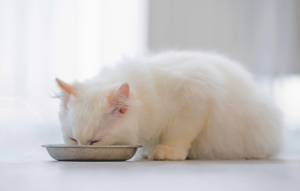
Feeding Adult Ragdolls
Once your Ragdoll reaches adulthood, the focus shifts to maintenance.
Routine:
- 2 meals per day
- Portion control
- Balanced nutrients
Avoid free-feeding, as this often leads to obesity.
Feeding Senior Ragdolls
Older cats require a gentler approach.
Focus on:
- Easily digestible meals
- Joint support nutrients
- Controlled calorie intake
Portion Control: The Key to Preventing Obesity
Ragdolls are known for their laid-back personalities, which means they burn fewer calories than more active breeds.
Overfeeding can lead to:
- Obesity
- Joint stress
- Heart problems
How to manage portions
- Follow the feeding guidelines on the packaging
- Adjust based on activity level
- Monitor body condition regularly
A healthy Ragdoll should have a visible waist, and you should be able to feel (but not see) their ribs.
Creating a Consistent Feeding Routine
Cats thrive on routine.
Best practices:
- Feed at the same time every day
- Use the same feeding area
- Avoid random snacks
This not only improves digestion but also reduces behavioral issues like constant begging.
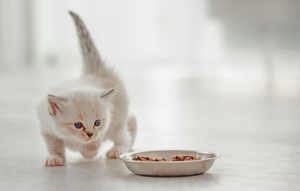
Hydration: The Overlooked Factor
Many cats don’t drink enough water.
Ways to improve hydration:
- Feed wet food
- Use a water fountain
- Place multiple water bowls around your home
Proper hydration supports kidney health and digestion.
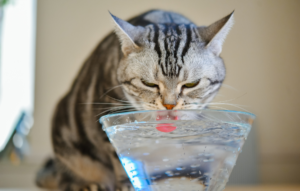
Common Feeding Mistakes to Avoid
Even experienced owners make these mistakes.
Feeding Too Many Treats
Treats should not exceed 10% of daily calories.
Feeding Human Food
Some human foods are toxic to cats.
Switching Food Too Quickly
Always transition gradually over 7–10 days.
Ignoring Warning Signs
Changes in appetite, weight, or energy should never be ignored.
Raw Diet vs. Commercial Food
Raw Diet
Pros:
- Natural ingredients
- High protein
Cons:
- Risk of imbalance
- Requires careful planning
Commercial Food
Pros:
- Balanced nutrition
- Convenient
Cons:
- Quality varies
My Recommendation
Stick with a high-quality commercial diet unless you are fully prepared to manage a raw diet properly.
Do Ragdolls Need Supplements?
In most cases, no, if their diet is balanced.
However, supplements can help in certain situations.
Useful supplements:
- Omega-3 fatty acids (coat and skin)
- Probiotics (digestion)
Always consult your vet before adding anything.
Feeding for a Healthy Coat
A Ragdoll’s coat is one of its most defining features.
Good diet results:
- Soft, silky fur
- Minimal shedding
Poor diet results:
- Dry skin
- Dull coat
- Excess shedding
Nutrition is the foundation of coat health.
Adjusting Diet Based on Activity Level
Not all Ragdolls are the same.
Active cats:
- Need more calories
- Require higher protein
Less active cats:
- Need strict portion control
- Gain weight easily
Pay attention to your cat’s lifestyle and adjust accordingly.
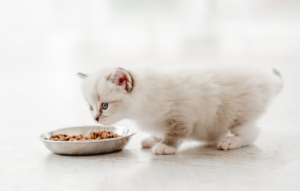
Signs Your Ragdoll Is Thriving
You’re doing things right if your cat has the following:
- A healthy weight
- Bright, clear eyes
- A soft, clean coat
- Consistent energy levels
Signs Something Needs to Change
Watch for:
- Weight gain or loss
- Low energy
- Digestive issues
- Poor coat condition
Small signs often point to bigger issues.
Long-Term Benefits of Proper Feeding
Feeding your Ragdoll correctly helps:
- Strengthen the immune system
- Support joint health
- Improve digestion
- Extend lifespan
That’s why Feeding Your Ragdoll: Best Diet for Health and Growth should be part of your daily focus.
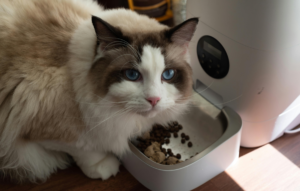
Building Good Feeding Habits Early
Consistency makes everything easier.
Simple habits to follow:
- Feed at the same time daily
- Measure portions
- Avoid overfeeding
Cats quickly adapt to routines, making your job easier over time.
Final Thoughts
Feeding your Ragdoll properly doesn’t have to be complicated. Once you understand their needs and stick to a routine, it becomes second nature. Understanding Feeding Your Ragdoll: Best Diet for Health and Growth allows you to confidently care for your cat at every life stage.
At the end of the day, it comes down to this:
Feed with intention.
Choose quality food.
Stay consistent.
When you do that, you’re not just feeding your cat—you’re investing in their long-term health, happiness, and companionship. And trust me, your Ragdoll will thank you for it every single day.
Save Pin for later.

- Dog Nutrition Guide for Better Health and Energy - May 23, 2026
- How to Keep Your Cat Healthy and Active at Home - May 17, 2026
- Dog Health Tips for Indoor and Apartment Living - May 17, 2026