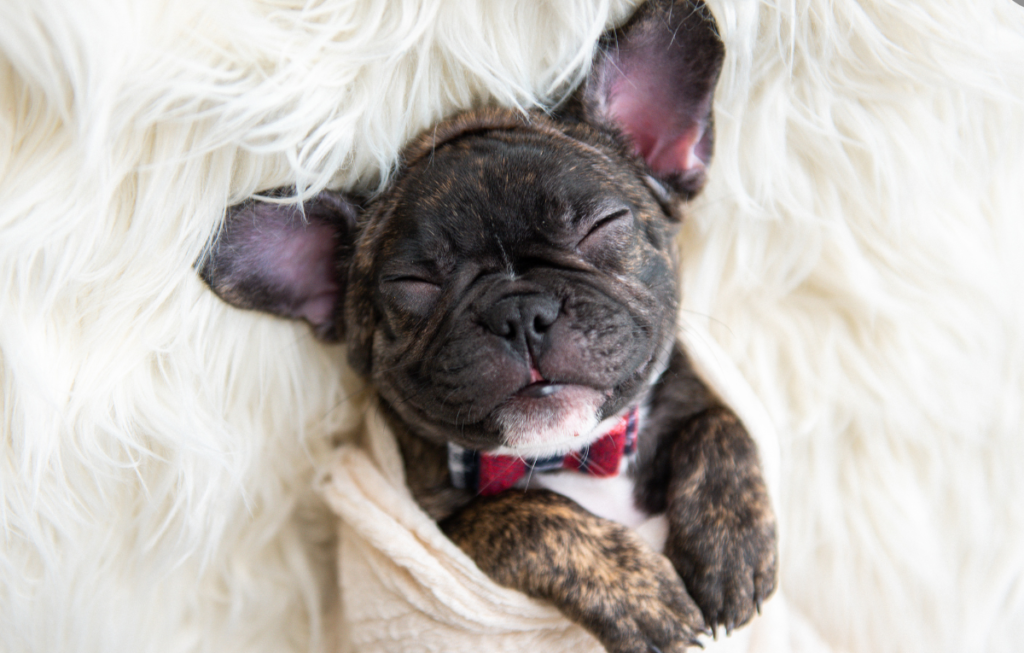
Are you thinking about adopting a French Bulldog? Or have you just brought home a new furry companion? If so, then you’ll want to read this complete beginner’s guide to French Bulldog ownership. I’m going to walk you through everything you need to know about caring for your pup—from feeding and training to grooming, health, and building a strong bond. While French Bulldogs may be small, adorable, and full of charm, they are also quite particular when it comes to their needs.
French Bulldog ownership isn’t difficult—but it’s important to do it right. This guide is designed to give you a clear, easy-to-follow understanding of what to expect so you can confidently care for your dog and enjoy every moment with your new best friend.
Why French Bulldogs Are So Popular
Before diving into care tips, let’s talk about why so many people fall in love with French Bulldogs in the first place.
Why Do People Love French Bulldogs?
- They are small and adaptable
- They have sweet, affectionate personalities
- They don’t require intense exercise
- They form strong bonds with their owners
French Bulldogs are often described as “big dogs in small bodies.” They are playful, expressive, and full of personality, but they are not overly hyper. This balance makes them ideal for many lifestyles, including apartment living and busy households.
They thrive on companionship, and once they attach to you, they become incredibly loyal.
French Bulldog Personality
Understanding your dog’s personality is one of the most important parts of French Bulldog ownership.
Typical French Bulldog Temperament
- Affectionate
- Social
- Stubborn
- Attention-seeking
French Bulldogs love being around people. They don’t just want to live in your home—they want to be involved in your daily life. Whether you’re relaxing, working, or moving around the house, your Frenchie will likely be right there with you.
Because of this, it’s important to evaluate your lifestyle before getting one. If you prefer a more independent pet or you’re away from home most of the day, a French Bulldog may struggle with that setup.
How to Prepare Your Home
Whether you’re bringing home a puppy or already have a dog, preparing your environment is essential.
Must-Have Supplies
- A comfortable dog bed
- Food and water bowls
- High-quality dog food
- Toys for stimulation
- A leash and harness
Creating a safe, welcoming space helps your dog settle in faster and reduces stress. Think of it as setting the foundation for a happy and secure life.
You may also want to remove hazards such as exposed wires, small objects, or anything your dog could chew or swallow.

How to Feed Your French Bulldog
Just like humans, your dog’s diet directly affects their health, mood, and energy levels.
What to Look For in Dog Food
- High-quality protein sources
- Balanced nutrients (vitamins and minerals)
- Proper portion sizes for their age and weight
Feeding Schedule
- Puppies: 3 times per day
- Adults: 2 times per day
French Bulldogs are prone to weight gain, so portion control is extremely important. Avoid overfeeding and limit treats, especially table scraps.
A well-balanced diet will help maintain a healthy weight, support their immune system, and keep their coat in good condition.
Exercise Requirements for French Bulldogs
French Bulldogs don’t require intense exercise, but they still need daily activity to stay healthy.
Daily Exercise Recommendations
- A 15-minute walk
- 5–10 minutes of playtime
Because French Bulldogs have short snouts (a condition known as brachycephaly), they can struggle with breathing, especially during physical exertion.
Avoid:
- Strenuous exercise
- Long runs
- Walking during hot weather
Always monitor your dog during activity. If they start panting excessively or seem tired, stop immediately.
How to Groom Your French Bulldog
French Bulldogs are relatively low-maintenance when it comes to grooming, but they still require regular care.
Basic Grooming Routine
- Brush their coat once a week
- Trim their nails regularly
- Clean their ears
- Check and clean their skin folds
One of the most commonly overlooked aspects of French Bulldog ownership is fold care. Their facial wrinkles can trap moisture and dirt, which may lead to irritation or infection if not cleaned regularly.
Use a soft cloth or vet-approved wipes to gently clean between folds and keep the area dry.

Training Your French Bulldog
Training a French Bulldog can be both rewarding and challenging.
They are intelligent dogs, but they also have a stubborn streak.
Training Tips
- Be patient and consistent
- Use positive reinforcement (treats and praise)
- Start with basic commands: sit, stay, come
- Establish routines early
French Bulldogs do not respond well to harsh discipline or yelling. Instead, focus on encouraging good behavior through rewards.
With time and consistency, they can learn quickly and become well-behaved companions.
French Bulldog Socialization
Even though French Bulldogs are naturally friendly, socialization is still crucial.
Expose Your Dog To:
- Other dogs
- Children
- New environments
- Different sounds and situations
Proper socialization helps your dog feel comfortable and reduces fear-based behaviors later in life.
The more experiences your dog has early on, the more confident and adaptable they will become.
Health Problems to Look Out For
French Bulldog ownership comes with some breed-specific health concerns.
Common Issues
- Breathing difficulties
- Heat sensitivity
- Skin irritations
Because of their physical structure, French Bulldogs can struggle to regulate their body temperature. This makes them especially vulnerable in warm climates.
What You Can Do
- Keep your dog in cool, ventilated areas
- Avoid overexertion
- Monitor their breathing during activity
- Schedule regular vet check-ups
Being proactive about your dog’s health can prevent serious issues and improve their quality of life.

Why French Bulldogs Overheat Easily
French Bulldogs are more prone to overheating due to their short snouts.
Dogs release heat primarily through panting. Because Frenchies cannot take deep, efficient breaths, they struggle to cool themselves down.
Prevention Tips
- Avoid outdoor activities during hot weather
- Always provide fresh, cool water
- Never leave your dog in a parked car
- Use cooling mats or fans indoors
Heatstroke can be life-threatening, so always take precautions.
Apartment or House: Where Do French Bulldogs Thrive?
One of the best things about French Bulldogs is their adaptability.
They can live comfortably in:
- Apartments
- Small homes
- Large houses
As long as they receive attention, care, and moderate exercise, they will be happy in almost any environment.
However, they do not enjoy being left alone for long periods.
Do French Bulldogs Get Separation Anxiety?
Yes—French Bulldogs are highly prone to separation anxiety.
They love being around people, and when left alone for too long, they can become stressed.
Signs of Separation Anxiety
- Excessive barking
- Restlessness
- Destructive behavior
How to Help
- Gradually train them to be alone
- Provide toys and stimulation
- Create a comfortable, safe space
Building independence early can help reduce anxiety over time.

How to Keep Your French Bulldog Entertained
Mental stimulation is just as important as physical activity.
Recommended Toys
- Chew toys
- Tug ropes
- Puzzle toys
If your dog becomes bored, they may develop unwanted habits like chewing furniture or excessive barking.
Keeping them engaged helps maintain a happy and balanced temperament.
The Importance of Routine
French Bulldogs thrive on consistency.
Keep These Consistent
- Feeding times
- Walk schedules
- Sleep routines
A structured routine helps your dog feel secure and understand what to expect each day.
This reduces anxiety and improves overall behavior.

7 Common Mistakes French Bulldog Owners Make
Even well-meaning owners can make mistakes. Here are some common ones to avoid:
1. Ignoring Heat Sensitivity
French Bulldogs can overheat quickly. Always prioritize cooling and hydration.
2. Overfeeding
They gain weight easily. Stick to proper portion sizes.
3. Lack of Training
Untrained dogs can develop behavioral issues.
4. Leaving Them Alone Too Long
They crave companionship and can become anxious.
5. Neglecting Fold Cleaning
This can lead to infections and discomfort.
6. Overexercising
Too much physical activity can strain their breathing.
7. Inconsistent Routine
Lack of structure can lead to stress and confusion.
How to Build a Strong Relationship with Your French Bulldog
At the heart of French Bulldog ownership is the bond you build with your dog.
Ways to Strengthen Your Bond
- Spend quality time together
- Play regularly
- Be present and attentive
Pay attention to your dog’s behavior. Over time, you’ll learn what they like, what they dislike, and how they communicate.
Dogs may not speak our language, but they are constantly expressing themselves through their actions.
The stronger your bond, the easier it becomes to care for them.
Conclusion
Remember when I said French Bulldog ownership isn’t hard? That’s still true—but it does require commitment, awareness, and consistency. This complete beginner’s guide to French Bulldog ownership has given you a realistic understanding of what to expect and how to properly care for your dog.
If there’s one key takeaway, it’s this: pay close attention to your dog. They can’t tell you when something is wrong, so it’s up to you to notice the signs. Whether it’s a change in behavior, appetite, or energy levels, your awareness makes all the difference.
When you truly understand your dog, everything changes. Communication becomes easier, your bond grows stronger, and the experience becomes incredibly rewarding. And once that connection is built, you’ll realize that owning a French Bulldog isn’t just a responsibility—it’s one of the most fulfilling relationships you can have.


- Dog Nutrition Guide for Better Health and Energy - May 23, 2026
- How to Keep Your Cat Healthy and Active at Home - May 17, 2026
- Dog Health Tips for Indoor and Apartment Living - May 17, 2026