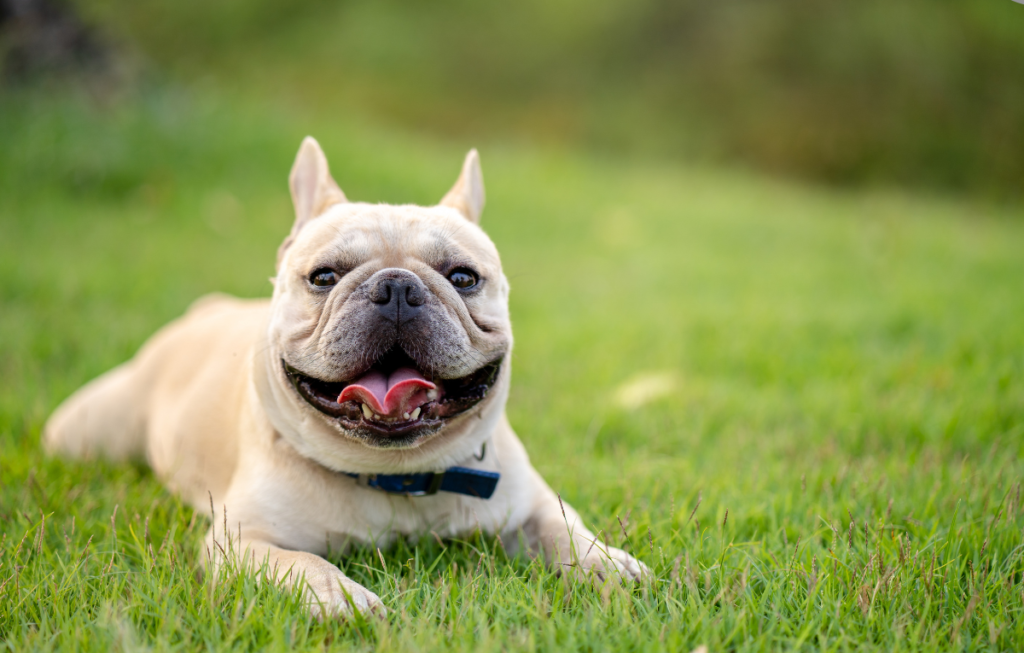
Are you thinking about getting a French Bulldog? Or maybe you’ve already brought one home, and now you’re trying to figure out what exactly you signed up for? Either way, you’re in the right place.
This French Bulldog Care Guide for First-Time Owners is designed to walk you through everything you need to know—without overwhelming you. I’m going to break things down in a simple, practical way so you can actually use this information in your day-to-day life.
French Bulldogs may be small, but don’t let their size fool you. They come with very specific needs, and understanding those needs early on will make your life much easier—and your dog much happier.
Let’s get into it.

Understanding Your French Bulldog’s Personality
Before we talk about food, training, or health, you need to understand who your French Bulldog is as a dog.
Frenchies are:
- Extremely loyal and people-focused
- Playful, but not hyper
- Stubborn (yes, very stubborn)
- Affectionate to the point of being clingy
If I had to describe them in one sentence, I’d say the following:
They’re low-energy entertainers who live for your attention.
What this means for you:
French Bulldogs don’t do well being ignored. They:
- Prefer being around you most of the time
- Can develop separation anxiety if left alone too long
- Thrive in homes where someone is often present
They also LOVE routine. Feed them at the same time, walk them at the same time, sleep at the same time—and you’ll have a much calmer, happier dog.
Understanding this is the foundation of this entire French Bulldog Care Guide for First-Time Owners. Once you understand their personality, everything else starts to make sense.
Feeding Your French Bulldog Properly
Food is one of the biggest factors in your dog’s health—especially for French bulldogs.
What makes a good dog food?
Look for:
- Real meat as the first ingredient
- High protein content
- Balanced fats and carbs
- Minimal fillers (corn, soy, artificial additives)
French Bulldogs LOVE food. If you give them the opportunity, they will overeat every single time.
Why this is a problem:
This breed is prone to obesity, and extra weight can:
- Make breathing problems worse
- Put pressure on joints
- Reduce overall lifespan
Feeding schedule:
- Puppies: 3 small meals per day
- Adults: 2 meals per day
Stick to consistent portions. Don’t “eyeball” it—measure their food.
Things to avoid:
- Too many treats
- Table scraps
- Foods that cause gas (they already struggle with digestion)
A proper diet doesn’t just keep your dog healthy—it improves their energy levels, mood, and overall quality of life.

Exercise: Less Is More
One of the biggest mistakes first-time owners make is over-exercising their French Bulldog.
These dogs are NOT built for intense physical activity.
What they need:
- 15–30 minute daily walks
- Light playtime indoors or outdoors
What to avoid:
- Long runs
- Intense play sessions
- Exercising in hot weather
Because of their flat faces, French Bulldogs have difficulty regulating airflow. This makes them prone to overheating and breathing issues.
Always watch for signs like:
- Heavy panting
- Slowing down suddenly
- Struggling to keep up
If you see any of these signs, stop immediately. Don’t push them.

Grooming: Simple But Non-Negotiable
French Bulldogs are low-maintenance compared to long-haired breeds, but there are a few things you absolutely cannot skip.
Coat care:
- Short coat = minimal shedding
- Brush once a week to remove loose hair
Skin folds (very important):
Those adorable wrinkles can trap:
- Dirt
- Moisture
- Bacteria
If not cleaned properly, they can lead to infections.
What you should do:
- Wipe folds with a damp cloth
- Dry thoroughly afterward
Other grooming basics:
- Trim nails every few weeks
- Clean ears regularly
- Check skin for irritation
These small habits prevent bigger problems later.

Health Issues to Watch Out For
French Bulldogs are prone to certain health conditions. Knowing what to look for can help you act early.
1. Breathing Problems
Because of their short snouts, they can struggle with airflow.
Watch for:
- Loud breathing
- Snoring
- Difficulty during exercise
2. Heat Sensitivity
Frenchies overheat quickly.
Rules to follow:
- Never leave them in a car
- Avoid midday heat
- Always provide water
3. Skin Allergies
Common in this breed.
Signs include:
- Itching
- Red skin
- Ear infections
4. Joint Issues
Even though they’re small, they can still develop joint problems.
Prevention:
- Keep them at a healthy weight
- Avoid excessive jumping
Regular vet visits are essential. Prevention is always easier (and cheaper) than treatment.

Training Your French Bulldog
Training a French bulldog can test your patience—but it’s completely doable.
The reality:
They’re smart… but stubborn.
What works:
- Positive reinforcement (treats, praise)
- Short, engaging sessions
- Consistency
What doesn’t:
- Yelling
- Harsh punishment
- Long, repetitive drills
Must-know commands:
- Sit
- Stay
- Come
- Leave it
House training tip:
Frenchies can take longer to house-train. Stay consistent and don’t give up too early.
Socialization: Start Early
Socialisation helps your dog feel comfortable in different situations.
Expose them to:
- Other dogs
- New people
- Different environments
Without proper socialisation, French Bulldogs can become:
- Nervous
- Overprotective
- Reactive
Start early and keep it positive.
Creating a Comfortable Home Environment
Your home should feel safe and comfortable for your dog.
Essentials:
- A soft, supportive bed
- Fresh water at all times
- Safe toys
Temperature matters:
French Bulldogs don’t tolerate heat well. Keep your home cool and well-ventilated.

Mental Stimulation Matters
Even though they’re not highly active, French Bulldogs still need mental engagement.
Try:
- Puzzle toys
- Training games
- Interactive play
A bored Frenchie will create their own entertainment—and that usually means trouble.
Communication: Understanding Your Dog
French Bulldogs have their own way of communicating.
Normal behaviours:
- Snorting
- Grunting
- Body language changes
These are usually harmless.
Warning signs:
- Sudden breathing changes
- Extreme lethargy
- Signs of distress
If something feels off, trust your instincts and consult a vet.

Traveling and Outdoor Safety
If you plan to travel with your Frenchie:
Always:
- Bring water
- Take breaks
- Monitor temperature
Never:
- Leave them in a car
- Expose them to extreme heat
These precautions are not optional—they’re essential.
Building a Strong Bond
French Bulldogs are companion dogs. They don’t just live with you—they connect with you.
Strengthen your bond by:
- Spending quality time together
- Being consistent with routines
- Rewarding positive behavior
They thrive on attention and connection.
Common Mistakes First-Time Owners Make
Let’s quickly go over what to avoid:
1. Over-exercising
Too much activity can harm them.
2. Ignoring heat risks
They overheat faster than most dogs.
3. Neglecting skin folds
This leads to infections quickly.
4. Inconsistent training
Confuses your dog and slows progress.
5. Leaving them alone too often
They need companionship.
Avoid these, and you’re already ahead of most new owners.
Final Thoughts
French Bulldogs are one of the most lovable, funny, and loyal dogs you can have.
They’re easy to fall in love with—but they do require thoughtful care.
If there’s one thing to remember from this French Bulldog Care Guide for First-Time Owners, it’s this:
- Pay attention to their needs
- Keep things consistent
- Don’t overdo exercise
- Spend time with them
Do that, and you won’t just have a pet—you’ll have a companion that completely changes your daily life.
Because once a French Bulldog becomes part of your world…
They don’t just fit in.
They take over—in the best way possible.
Save Pin for later.

- Dog Nutrition Guide for Better Health and Energy - May 23, 2026
- How to Keep Your Cat Healthy and Active at Home - May 17, 2026
- Dog Health Tips for Indoor and Apartment Living - May 17, 2026