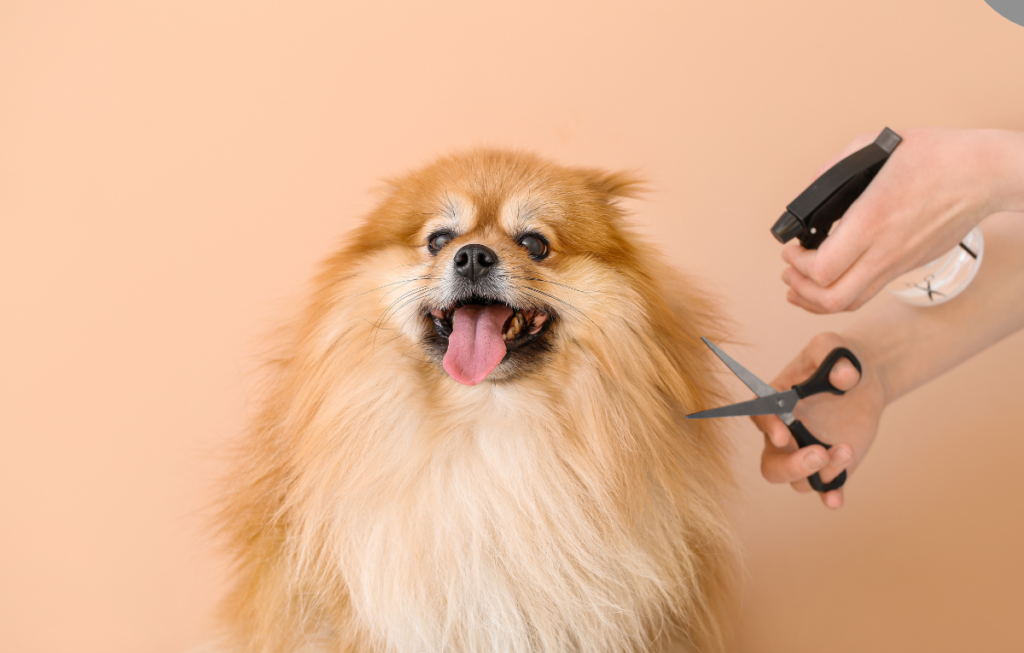
If you’ve ever owned a long-haired dog, you already know those beautiful locks aren’t always easy to manage. Sure, they look amazing—but they also require a lot of upkeep. When I first started learning about dog grooming, I quickly realised there’s much more to grooming cuts than just appearance. That’s why I want to walk you through the best dog grooming styles for long-haired breeds in a way that actually makes sense.
Different cuts serve different purposes. Some reduce matting, others improve comfort, and some make maintenance much easier. Once you find the right style, grooming your long-haired dog becomes a whole lot less stressful. But before we get into the styles, there’s one important thing to understand… Not all long-haired dogs have the same coat.
Some have thick double coats, while others have silky or curly hair that grows continuously. Because of that, not every grooming style will work for every dog.
Why Do Grooming Styles Matter?
Before jumping into specific styles, it’s important to understand why grooming actually matters.
A long coat can:
- Trap dirt and moisture
- Lead to painful mats
- Cause overheating in warm weather
- Hide skin issues
The right grooming style will:
- Keep your dog cooler and more comfortable
- Reduce daily brushing time
- Maintain a healthy coat
- Improve overall hygiene
Whenever I think about the best grooming styles for long-haired breeds, function always comes first.
Know Your Dog’s Coat Type
Before choosing a style, you need to understand your dog’s coat.
1. Double Coat
- Thick undercoat with a longer outer coat
- Common in herding and working breeds
- Should never be shaved completely
2. Silky Coat
- Fine, smooth hair that grows continuously
- Found in breeds like Shih Tzus and Maltese
3. Curly or Wavy Coat
- Prone to matting
- Common in doodles and Poodle mixes
Your dog’s coat type will determine which grooming styles are safe and effective.
The Puppy Cut (Most Popular)
This is one of the easiest styles to maintain.
What to expect:
- Even length all over the body
- Short to medium length
- Rounded face with a soft finish
Why it works:
- Reduces matting
- Easy to maintain
- Keeps your dog comfortable
This is easily one of the best all-around grooming styles for long-haired dogs.
The Teddy Bear Cut
Think of this as a fluffier version of the puppy cut.
Features:
- Rounded face
- Slightly longer coat
- Soft, plush appearance
Best for:
- Curly or wavy coats
- Owners who want that extra “cute” look
It requires more upkeep—but it’s worth it if you love a fluffy finish.
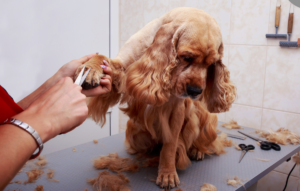
The Kennel Cut
If you want something low-maintenance, this is it.
Features:
- Short body hair
- Clean face
- Trimmed legs
Why it’s great:
- Minimal grooming effort
- Perfect for active dogs
- Keeps dirt and debris to a minimum
The Show Cut (High Maintenance)
This is the classic, polished look you see in competitions.
Features:
- Long, flowing coat
- Precise shaping
- Requires frequent grooming
Important:
This style looks incredible—but it takes serious time and effort. It’s not ideal for everyday pet owners.
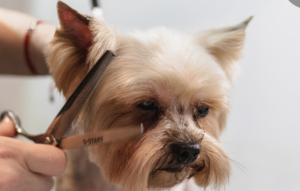
The Lion Cut
This style creates a bold, noticeable look.
Features:
- Body shaved short
- Hair left around the neck (mane)
- Fluffy tail tip
Why some owners choose it:
- Helps keep dogs cool
- Reduces heavy matting
- Keeps some protective areas covered
Not for everyone—but useful in certain situations.
The Layered Cut
Perfect if you want to keep length but reduce bulk.
Features:
- Multiple lengths throughout the coat
- Maintains a natural appearance
- Reduces heaviness
Great for owners who love long hair but want easier maintenance.
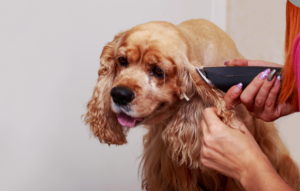
The Natural Trim
Sometimes, simple is best.
Features:
- Light trimming to clean things up
- Face, paws, and tail tidied
- Most of the natural coat remains
Perfect if you want a clean but natural look.
The Summer Cut
Hot weather can be tough on long-haired dogs.
Features:
- Shorter body length
- Thinned-out coat
- Improved airflow
Important reminder:
Never shave a double coat. Instead, trim and thin it.
Face, Paw, and Tail Grooming
Don’t forget the details—they matter.
Face styles:
- Rounded (teddy bear look)
- Clean and short
- Slightly longer muzzle taper
Extra tips:
- Keep paw pads trimmed
- Shape the tail for balance
Small adjustments can completely change your dog’s appearance.
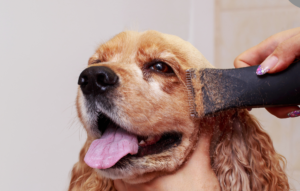
How to Choose the Right Style
Now that you’ve seen the options, how do you choose?
Your Lifestyle
Active dogs do better with shorter, low-maintenance cuts.
Your Climate
Warmer areas = shorter coats
Cooler areas mean more flexibility
Your Time & Effort
Be honest—how much grooming can you handle?
Your Dog’s Comfort
Always choose what keeps your dog healthy and comfortable.
Grooming Maintenance Matters
No matter the style, maintenance is key.
Keep it simple:
- Brush regularly
- Check for mats
- Clean ears and paws
- Stay consistent with grooming appointments
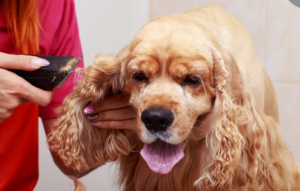
Grooming Mistakes to Avoid
1. Choosing looks over function
Cute doesn’t always mean practical.
2. Ignoring coat type
Some coats need specific care.
3. Skipping grooming appointments
Even short coats need upkeep.
4. Not asking for professional advice
Your groomer and vet can guide you.
Tips for Working With Your Groomer
Your groomer is your best ally.
- Be clear about your dog’s lifestyle
- Share your maintenance preferences
- Ask for their recommendations
They’ve seen it all—and their input matters.
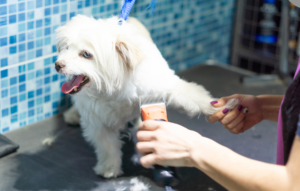
Style vs Practicality
At the end of the day, function beats appearance.
Choose a style that:
- Looks good
- Feels comfortable for your dog
- Fits your routine
Trendy cuts don’t mean anything if you can’t maintain them.
Final Thoughts
Finding the best grooming style doesn’t have to be complicated.
You don’t need perfection—you need something that works.
Focus on:
- Comfort
- Health
- Manageability
Whether it’s a simple trim or a more polished look, the goal is the same: a happy, healthy dog.
And once you find the right grooming style, it stops feeling like a chore and becomes part of a routine that keeps your dog looking and feeling their best.
Save Pin for later.

- Dog Nutrition Guide for Better Health and Energy - May 23, 2026
- How to Keep Your Cat Healthy and Active at Home - May 17, 2026
- Dog Health Tips for Indoor and Apartment Living - May 17, 2026