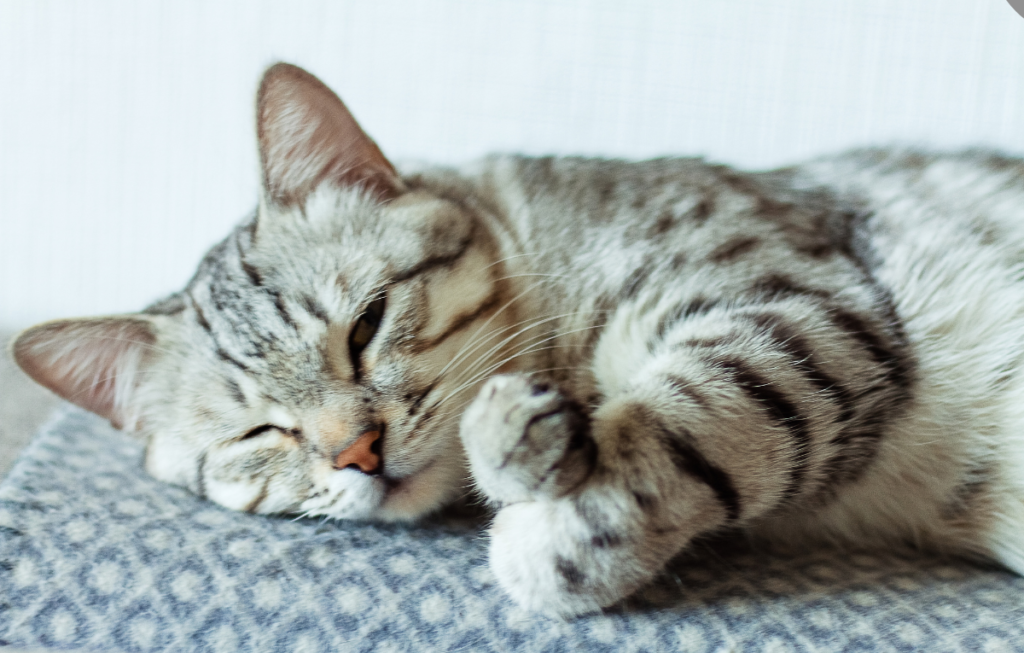
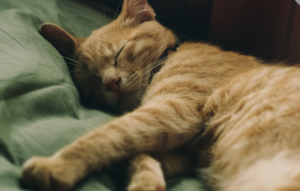
If you’re being totally honest, watching your cat sleep is kind of weirdly mesmerising. They’ll lie completely still for minutes at a time… and then suddenly their paw twitches, their whiskers move, and they might even murmur or let out a tiny meow. It makes you pause and wonder:
Do cats dream?
And if they do… what could they possibly be dreaming about? You’re not alone in asking that. Many cat parents have the same thought—and the answer is yes, cats do dream. What’s happening in their brains while they sleep is actually fascinating. Once you understand how cats sleep, what those little movements mean, and what’s going on beneath the surface, you’ll never look at your cat’s sleep the same way again.
Let’s break it all down.
Do Cats Dream?
Yes—cats absolutely dream. And they don’t just experience vague thoughts either. Scientific research into animal sleep shows that cats go through sleep cycles very similar to humans. This includes REM sleep (rapid eye movement)—the stage where dreaming occurs.
During REM sleep:
- The brain becomes highly active
- The body relaxes
- Dreams occur
So if your cat is twitching, flicking their tail, or making soft sounds while asleep, they’re most likely dreaming.
To really understand why cats dream, though, we need to look at how they sleep.
How Do Cats Sleep?
Cats are famous for sleeping a lot.
On average, they sleep 12–16 hours a day, and some cats sleep even more.
But here’s what most people don’t realise: cats don’t sleep the same way the entire time.
Stage 1: Light Sleep (Dozing)
During this stage, your cat will:
- Appear asleep but wake easily
- Stay aware of their surroundings
- Move their ears in response to sounds
Cats spend a large portion of their sleep time here.
Stage 2: Deep Sleep (REM Sleep)
This is where dreaming happens.
During REM sleep, your cat experiences:
- Full muscle relaxation
- Irregular breathing
- Twitching movements
This stage is your answer to the question: Do cats dream? Because this is when their brain becomes active enough to create dreams.
What Do Cats Dream About?
Now for the fun part.
We can’t directly ask your cat what they dream about, but research gives us strong clues.
Your cat likely dreams about:
- Hunting
- Playing
- Exploring
- You
In simple terms, their dreams probably mirror their daily life.
Why?
Because during sleep, a cat’s brain is:
- Recalling memories
- Processing emotions
- Replaying learned behaviors
So that twitching you see? It might be your cat chasing a toy, stalking prey, or reliving a fun moment with you.
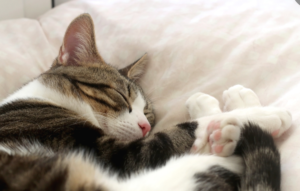
Why Do Cats Twitch in Their Sleep?
This is one of the most common questions.
What causes the twitching?
During REM sleep, your cat’s brain becomes active—but their body remains relaxed.
Sometimes, brain signals still slip through, causing small physical movements like:
- Paw twitches
- Whisker movements
- Tail flicks
These movements are completely normal.
Is my cat dreaming when they twitch?
Yes—most of the time, twitching is a clear sign your cat is dreaming.
Should You Wake a Dreaming Cat?
Short answer: No.
Unless there’s an emergency, you should let your cat sleep.
Waking a dreaming cat can
- Startle them
- Cause confusion
- Trigger defensive reactions
Just like humans, cats can feel disoriented when woken suddenly from a dream.
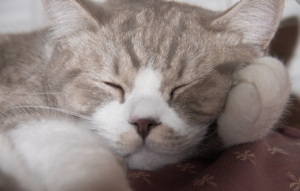
Why Do Kittens Dream More?
Kittens tend to dream more than adult cats.
Why?
Because their brains are still developing.
They need more REM sleep to:
- Build neural connections
- Learn motor skills
- Process new experiences
What might kittens dream about?
- Learning to move
- Playing with siblings
- Exploring new environments
Do Older Cats Dream Less?
Not necessarily—but their sleep patterns do change.
As cats age, they:
- Sleep more overall
- Spend more time in light sleep
- May experience slightly less REM sleep
So they still dream, just a bit differently.
Do Cats Have Nightmares?
This one’s less clear—but it’s possible.
If cats can dream about positive experiences, it makes sense they might also process negative ones.
That could include:
- Fear
- Stress
- Unpleasant memories
Signs of a possible nightmare:
- Sudden intense twitching
- Vocal sounds (murmuring or meowing)
- Waking abruptly
Occasional nightmares aren’t a concern—but frequent distress during sleep may be worth discussing with a vet.
Does Your Cat’s Lifestyle Affect Their Dreams?
Absolutely.
Outdoor Cats
Outdoor cats tend to:
- Be more active
- Experience more stimulation
This can lead to:
- More vivid dreams
- More noticeable twitching
Indoor Cats
Indoor cats may dream about:
- Toys
- Playtime
- Catnip
- Interactions with you
Their dreams still reflect their daily experiences—just in a different environment.
Why Sleep Matters for Your Cat’s Health
Sleep isn’t just about rest—it’s essential for your cat’s overall health.
Sleep helps your cat:
- Restore energy
- Process information
- Maintain brain function
What happens if your cat doesn’t get enough sleep?
They may:
- Become irritable
- Show low energy
- Develop health issues over time
Cats sleep a lot because they need to.
How to Help Your Cat Sleep Better
Want to improve your cat’s sleep quality? Here’s how:
Create a comfortable sleep space
- Quiet area
- Soft bedding
- Warm environment
Stick to a routine
Cats feel safer with consistency.
Provide daily playtime
This helps:
- Burn energy
- Promote deeper sleep
Reduce stress
A calm environment leads to better rest.
When to Be Concerned About Your Cat’s Sleep
Sleep issues are rare—but watch for:
- Sudden changes in sleep patterns
- Extreme restlessness
- Signs of pain during sleep
If you notice these, consult your vet.
Why It Matters That Cats Dream
Understanding that cats dream changes how you see them.
You begin to realise they’re:
- Processing experiences
- Learning from their environment
- Emotionally aware
It makes you more attentive—and more connected to them.
The Emotional Side of It All
There’s something pretty special about knowing your cat dreams.
It makes them feel:
- More complex
- More expressive
- More connected to you
That quiet moment watching them sleep suddenly means something more.
Final Thoughts
So, do cats dream?
Yes—they do.
And while they sleep, they’re
- Processing their day
- Replaying experiences
- Staying mentally and physically healthy
Those tiny twitches and movements you see aren’t random—they’re signs that your cat’s brain is active and working exactly as it should.
And once you realize your cat might be dreaming about their day with you…
Watching them sleep becomes a whole lot more meaningful.
Save Pin for later.


- Dog Nutrition Guide for Better Health and Energy - May 23, 2026
- How to Keep Your Cat Healthy and Active at Home - May 17, 2026
- Dog Health Tips for Indoor and Apartment Living - May 17, 2026