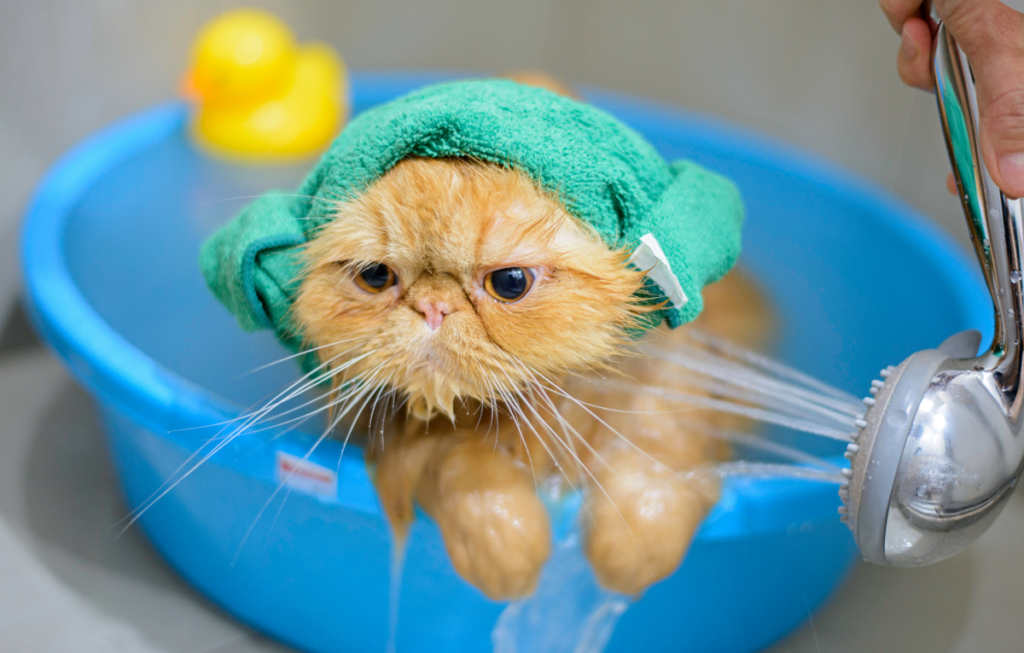
Alright, let’s be real for a second… Bathing and grooming a cat isn’t exactly anyone’s idea of fun—at least not at first. Cats have personalities. They’re independent and picky, and most of them are not fans of water or being handled for too long. That’s why knowing helpful tips for bathing & grooming a cat is so important. When you do it the right way, the whole process becomes manageable—instead of turning into a full-blown meltdown.
And here’s the thing: grooming isn’t just about keeping your cat clean. It’s about preventing problems, building trust, and keeping them healthy.
So let’s walk through everything you need to know.
Why You Should Be Grooming Your Cat
Yes, cats groom themselves.
But they still need your help.
Regular grooming helps:
- Remove loose fur
- Prevent matting
- Reduce hairballs
- Maintain healthy skin
- Spot health issues early
And while most cats don’t need frequent baths, you will need to step in when:
- They get into something sticky or dirty
- They have skin issues
- They’re unable to clean themselves properly
That’s why these helpful tips for bathing & grooming a cat matter—they make the process easier for both of you
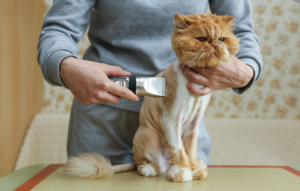
Learn Your Cat’s Personality First
This step is often overlooked—but it’s crucial.
Pay attention to your cat’s behaviour:
- Are they calm and tolerant?
- Easily irritated or stressed?
- Sensitive to touch?
Your approach should match their personality.
This alone can be the difference between a smooth session and total chaos.
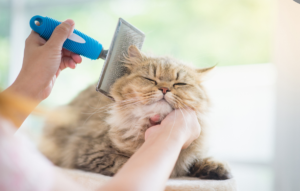
Brushing: Where to Start
Let’s start with the easiest (and most important) part—brushing.
Why Brushing Matters
- Prevents matting
- Removes loose hair
- Reduces shedding
- Stimulates circulation
How Often Should You Brush?
- Short-haired cats: 1–2 times per week
- Long-haired cats: Daily or every other day
How to Brush Properly
- Start slow
- Brush in the direction of hair growth
- Focus on problem areas (belly, behind ears, underarms)
- Keep sessions short
Tips for Success
- Use the right brush for your cat’s coat
- Reward calm behavior
- Stop if your cat gets irritated
Remember—it’s about building tolerance, not forcing it.
Giving Your Cat a Bath
Now… the part most people dread.
Do Cats Even Need Baths?
Not usually.
But you’ll need to bathe them if:
- They’re very dirty or sticky
- They have fleas
- They have certain skin conditions
How to Prepare for Bath Time
Preparation is everything.
Before you start:
- Trim your cat’s nails
- Brush their fur
- Gather your supplies
You’ll need:
- Cat-safe shampoo
- Towels
- Non-slip mat
- Lukewarm water
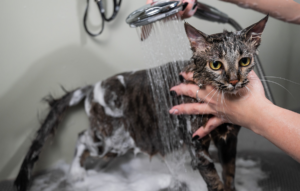
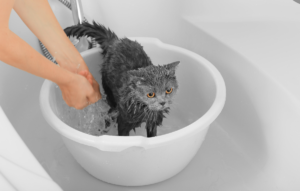
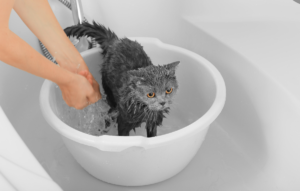
How to Bathe Your Cat
- Gently place your cat in shallow water
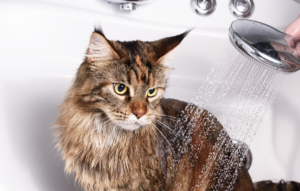
- Wet the body (avoid the face)
- Apply shampoo and lather gently
- Rinse thoroughly
- Wrap your cat in a towel immediately
Important Tips
- Stay calm—your cat can sense your energy
- Avoid sudden movements
- Speak in a soft, reassuring tone
This is where most success (or failure) happens.

Drying Your Cat
You’re not done yet.
Towel Drying
- Wrap your cat gently
- Pat dry (don’t rub aggressively)
- Keep them warm
Blow Drying (Optional)
Only if your cat tolerates it:
- Use low heat
- Keep distance
- Avoid loud settings
Trimming Your Cat’s Nails
Yes, they hate it—but it’s necessary.
Why It Matters
- Prevents discomfort
- Protects furniture
- Avoids snagging on fabric
How to Do It Safely
- Hold the paw gently
- Identify the “quick” (pink area)
- Trim only the tip
Tips
- Use cat-specific clippers
- Go slowly
- Reward afterward

Cleaning Your Cat’s Ears
Most cats handle this themselves, but sometimes they need help.
Clean Only If You Notice:
- Dirt buildup
- Odor
- Excess wax
How to Clean Safely
- Use a vet-approved solution
- Apply to a cotton pad
- Never insert anything deep into the ear
Dental Care (Don’t Skip This)
It’s easy to ignore—but very important.
Why It Matters
Poor dental care can lead to:
- Pain
- Infection
- Long-term health issues
What You Can Do
- Brush with cat-safe toothpaste
- Provide dental treats
- Offer chew toys
Managing Hairballs & Shedding
Brushing helps—but you can go further.
- Feed a balanced diet
- Groom regularly
- Consider hairball-control supplements
Making Grooming Easier Over Time
Let’s be honest—your cat will probably never love bath time.
But you can make it easier.
- Start grooming early if possible
- Keep sessions short
- Reward good behaviour
- Stick to a routine
Consistency makes a huge difference.
Common Mistakes to Avoid
Avoid these at all costs:
- Forcing your cat (this creates long-term fear)
- Using human products
- Skipping brushing before bathing
- Being inconsistent
Bad experiences stick with cats.
When to See a Professional
Sometimes, it’s better to step back.
Consider a professional if:
- Your cat has severe matting
- They refuse grooming completely
- You’re unsure about a health issue
And when in doubt, ask your vet.
Why Grooming Strengthens Your Bond
Here’s something most people don’t realise:
Grooming builds trust.
When done properly, it shows your cat:
- You care
- They’re safe
- They can rely on you
It’s not just maintenance—it’s connection.
Final Thoughts
You’ve got this.
Bathing and grooming your cat might feel overwhelming at first—but it gets easier with time.
The more confident you become, the more relaxed your cat will be.
So take it slow. Stay patient. And remember:
You know your cat best.
With consistency and care, grooming will go from stressful… to something you both can handle just fine.
Save Pin for later.


- Dog Nutrition Guide for Better Health and Energy - May 23, 2026
- How to Keep Your Cat Healthy and Active at Home - May 17, 2026
- Dog Health Tips for Indoor and Apartment Living - May 17, 2026