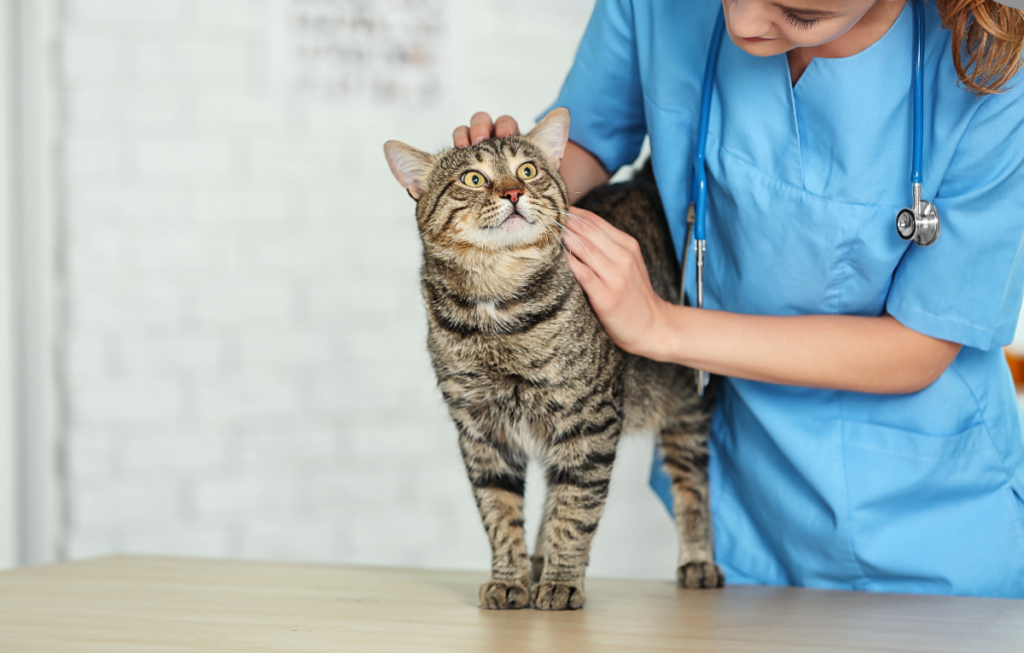
I am not a veterinarian. If you have any medical concerns about your cat, please contact your vet promptly. If I had to pick just one skill that every cat owner should know, it would be recognising what’s normal vs abnormal. Cats are masters at hiding pain and discomfort. They often won’t show you when something is wrong. That’s why it’s helpful to know how to check your cat’s vitals. Because once you know what to look for, you won’t have to guess—you can monitor, detect, and respond early.
Plus, checking vitals doesn’t require a veterinary degree. You just need someone to show you once.
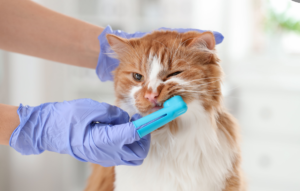
What Are “Vitals” & Why Should You Care?
First things first—what exactly are vitals?
“Vitals” refers to signs that indicate your cat’s physical health. Common vitals include:
- Temperature
- Heart rate
- Breathing rate
- Gum color and hydration
Essentially, these are clues that help you “see” inside your cat’s body.
By knowing how to check your cat’s vitals, you can:
- Catch potential illness early
- Track healing progress
- Understand your cat’s normal ranges
This knowledge is power.
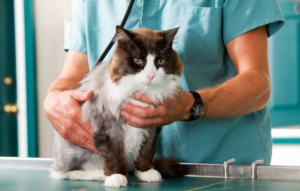
Tips Before You Get Started
Before we dive in, keep these things in mind:
- Your cat should be calm and relaxed
- Find a quiet space and approach slowly
- Be patient—if your cat is tense, try again later
You won’t get accurate readings if your cat is stressed or active.
1. Checking Temperature
Temperature is usually the first thing people think of.
Normal: 38°C to 39.2°C (100.4°F to 102.5°F)
You will need:
- Digital thermometer
- Lubricant (like petroleum jelly)
- Towel (to gently restrain your cat, if needed)
Instructions:
- Wrap your cat in a towel if necessary
- Lift your cat’s tail and apply lubricant to the thermometer
- Insert the thermometer about 1 inch into the rectum
- Wait for the thermometer to beep
- Remove and check the reading
What to look for:
- Above 39.2°C: Possible fever
- Below 37.5°C: Possible hypothermia
Temperature is one of the clearest indicators of your cat’s health.
2. Checking Heart Rate (Pulse)
Heart rate is straightforward but very important.
Normal: 140–220 beats per minute (at rest)
Where to check:
- Inside the hind leg (femoral artery)
- On the chest
Instructions:
- Place your fingers on the inside of the leg
- Count beats for 15 seconds
- Multiply by 4
What to look for:
- Too fast: May indicate stress, fever, or illness
- Too slow: Could signal an underlying issue
3. Checking Breathing Rate
Monitoring breathing is critical.
Normal: 20–30 breaths per minute (at rest)
Instructions:
- Watch your cat’s chest rise and fall
- Count breaths for 30 seconds
- Multiply by 2
What to look for:
- Rapid breathing
- Labored breathing
If breathing seems abnormal, don’t ignore it—seek help.

4. Checking Gum Color & Capillary Refill Time
This sounds complicated, but it’s simple.
Normal gum colour: Pink
Instructions:
- Lift your cat’s lip gently
- Press on the gum with your finger until it turns pale
- Release and time how long it takes to return to pink
What to look for:
- White or pale gums: Poor circulation
- Blue gums: Lack of oxygen
- Yellow gums: Possible liver issues
Normal refill time: Less than 2 seconds
5. Checking Hydration Levels
Hydration is essential for your cat’s health.
Instructions:
- Gently pinch the skin at the back of your cat’s neck
- Release and observe
Normal: Skin snaps back quickly
Dehydration: Skin returns slowly or stays raised
Additional signs of dehydration:
- Dry gums
- Sunken eyes
- Lethargy
6. Monitoring Behaviour as a “Vital”.
This is often overlooked, but it matters.
Watch for changes in:
- Energy levels
- Appetite
- Grooming habits
- Interaction with you
Behaviour changes are often the first sign that something is wrong.

How Often Should You Check Your Cat’s Vitals?
- Healthy cats: Occasionally
- Sick, injured, or recovering cats: More frequently
If your cat is acting differently, check more often.
Creating a Baseline
Every cat is different.
Check your cat’s vitals when they’re healthy and record the results.
This gives you a baseline to compare against if something changes.
Signs Something Might Be Wrong
Watch for:
- Elevated temperature
- Increased heart rate
- Rapid breathing
- Pale or yellow gums
- Weight loss
- Dehydration
If you notice these, take action.

When to Seek Veterinary Care
If your cat’s vitals fall outside normal ranges, contact your vet.
Also seek help immediately if your cat:
- Appears weak or unresponsive
- Has persistent symptoms
- Shows signs of distress
Early action can make all the difference.
Mistakes to Avoid
Avoid:
- Checking vitals when your cat is stressed
- Using inaccurate tools
- Ignoring small changes
- Waiting too long to seek help
Also, don’t try to estimate the temperature with your finger. It won’t give you reliable results.

Practice Makes Perfect
Checking vitals may feel overwhelming at first.
But with practice, it becomes easier.
Your cat will get used to it, and your confidence will grow.
Start slow—don’t try to check everything at once.
Why Checking Your Cat’s Vitals Is So Important
When you learn how to check your cat’s vitals, you gain a powerful skill.
You’ll be able to detect subtle changes—often before serious problems develop.
If you don’t know what’s normal yet, that’s okay.
Start today. Then check again tomorrow.
Soon, you’ll recognise when something isn’t right.

Closing Thoughts
Your cat may not be able to tell you when something feels off, but their body can.
Temperature, heart rate, breathing, and behaviour all give you clues.
By learning how to check your cat’s vitals, you gain the ability to look deeper.
And when you know what to look for, you can prevent bigger problems down the road.
Simple. Consistent. Observant.
Those are the three keys to monitoring your cat’s health at home
Safe Pin for later.


- Dog Nutrition Guide for Better Health and Energy - May 23, 2026
- How to Keep Your Cat Healthy and Active at Home - May 17, 2026
- Dog Health Tips for Indoor and Apartment Living - May 17, 2026