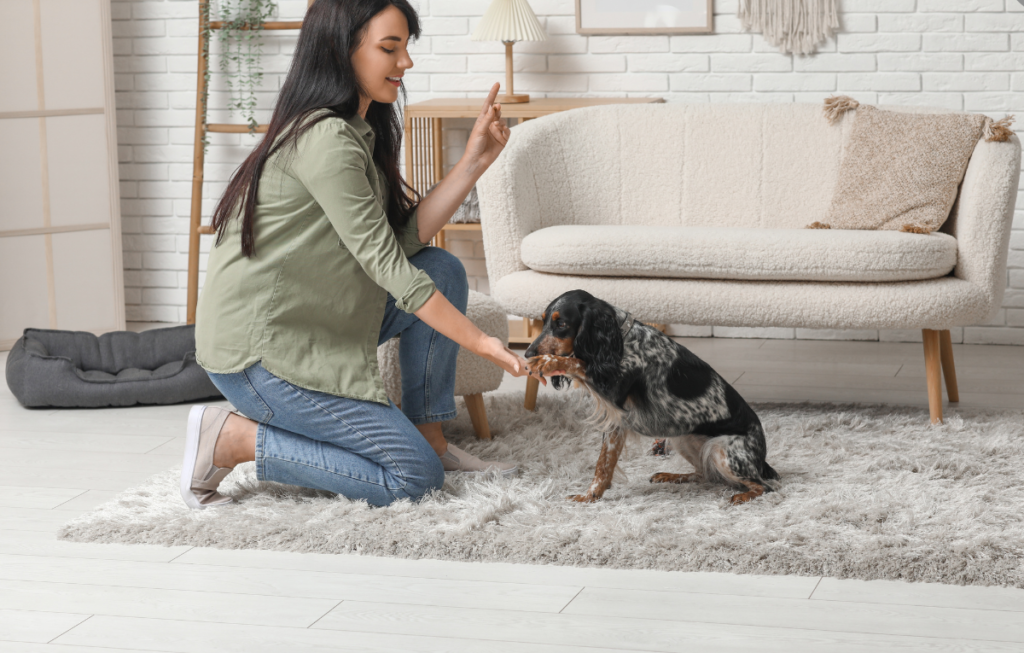
Getting a new dog is exciting… until reality hits.
I still remember those first few weeks like it was yesterday—chewed toys everywhere, random accidents, and constant “why is this happening?!” moments. That’s exactly why learning new dog training tips to make the first month so much easier is so important.
Training your dog early doesn’t just stop bad habits before they start—it sets the foundation for your entire relationship. The first month shapes how your dog behaves, how they trust you, and how well you communicate moving forward.
And the best part? It doesn’t have to be complicated.

Why the First Month Is So Important
Before we jump into the tips, let’s talk about why this phase matters so much.
Your dog is:
- Adjusting to a new home
- Learning your routine
- Figuring out what’s expected
In other words… they’re learning everything.
If you don’t guide them, they’ll create their own rules. And trust me—it’s much easier to teach good habits early than to fix bad ones later.
Tip #1: Don’t Aim for Perfection
Your dog is not going to be perfectly trained in 30 days—and that’s okay.
Focus on progress, not perfection. The goal is to introduce structure and basic expectations, not create a flawless dog overnight.
Tip #2: Create a Routine Immediately
Dogs thrive on consistency.
Set a simple daily schedule that includes:
- Feeding times
- Walks
- Potty breaks
- Training sessions
- Playtime
- Sleep
The more predictable your dog’s day is, the faster they’ll settle in.
Tip #3: Start Potty Training Right Away
This is usually the first big challenge.
Keep it simple:
- Take them out every 2–3 hours
- Go outside after meals, naps, and playtime
- Reward them immediately after they go outside
Important: Never punish accidents indoors. It creates fear and confusion.
Consistency wins here—every time.
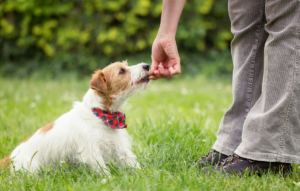
Tip #4: Use Positive Reinforcement
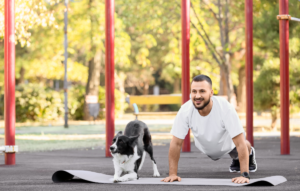
Reward the behaviours you want to see again.
Give treats, praise, or playtime when your dog:
- Sits calmly
- Comes when called
- Signals to go outside
Dogs repeat what gets rewarded. It’s that simple.
Tip #5: Keep Training Sessions Short
Long sessions don’t work.
Stick to:
- 5–10 minutes per session
- Multiple sessions per day
Short, focused training is far more effective than long, exhausting ones.
Tip #6: Start With Basic Commands
Skip the fancy tricks for now.
Focus on essentials, like:
- Sit
- Stay
- Come
- Leave it
These commands will be used daily—build them first.
Tip #7: Control the Environment
Set your dog up for success.
You can:
- Remove tempting items
- Use baby gates
- Limit access to certain areas
Prevention is always easier than correction.
Tip #8: Socialise (the Right Way)
Socialisation is important—but don’t rush it.
Introduce your dog to:
- New people
- New environments
- Other dogs (in controlled settings)
Keep everything positive. One bad experience can create fear.
Tip #9: Crate Training Done Right
A crate can be a powerful training tool—but only if used properly.
Make it:
- Comfortable
- Safe
- Positive
Use treats and meals to build a good association. Never force your dog inside.
Done right, your dog will see the crate as their safe space—not a punishment.
Tip #10: Stay Consistent
Inconsistent rules confuse dogs.
If something isn’t allowed, it should never be allowed.
Examples:
- Don’t allow jumping sometimes, and punish it other times
- Don’t change commands randomly
Clarity helps your dog learn faster.
Tip #11: Learn Your Dog’s Body Language
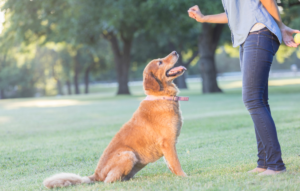
Your dog is always communicating—you just need to pay attention.
Stress signs:
- Panting
- Pacing
- Whining
Excitement:
- Wagging tail
- Jumping
- Playful behavior
Relaxation:
- Calm posture
- Slow blinking
- Lying down comfortably
Understanding this will make training much easier.
Tip #12: Redirect, Don’t Punish
Instead of punishing bad behaviour, redirect it.
Example:
Chewing the couch? → Give them a toy
Then reward them for using it
This teaches your dog what to do, not just what not to do.
Tip #13: Set Realistic Expectations
Your dog is learning from scratch.
There will be:
- Accidents
- Confusion
- Slow progress
That’s normal.
Stay patient and consistent.
Tip #14: Build Trust First
Training isn’t just about commands—it’s about connection.
Build trust by:
- Staying calm
- Avoiding yelling
- Showing affection
A dog that trusts you will learn faster and listen better.
Tip #15: Your Tone Matters More Than Words
Dogs respond to tone more than language.
- Calm tone = safety
- Firm tone = direction
- Excited tone = reward
Pay attention to how your dog reacts.
Tip #16: Exercise Your Dog Daily
A tired dog is a well-behaved dog.
You don’t need intense workouts—just the following:
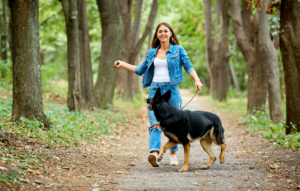
- Daily walks
- Light play sessions
Less energy = fewer problems.
Tip #17: Make Training Fun
Training shouldn’t feel like a chore—for you or your dog.
- Use play as a reward
- Keep sessions upbeat
- Celebrate effort
Dogs learn faster when they’re enjoying the process.
Tip #18: Stop Bad Habits Early
Don’t wait.
Address things like:
- Biting
- Jumping
- Excessive whining
The earlier you fix it, the easier it is.
Tip #19: Be Patient With Yourself
You’re learning too.
You will:
- Make mistakes
- Get frustrated
- Feel overwhelmed
That’s part of the process. Keep going.
Tip #20: Celebrate Small Wins
Progress matters.
Did your dog:
- Go outside instead of inside?
- Sit on command once?
- Stay calm for a moment longer?
Celebrate it.
Small wins build big results.
Common Mistakes to Avoid
- Inconsistency
- Overtraining
- Punishment-based methods
- Ignoring small problems
Avoid these, and you’ll save yourself a lot of stress.
What to Expect After 30 Days
If you stay consistent, you’ll notice the following:
- Fewer accidents
- Better communication
- Reduced bad behaviors
- Increased confidence (for both of you)
Your dog won’t be perfect—but they’ll understand your world much better.
Final Thoughts
Training a new dog can feel overwhelming, but it doesn’t have to be.
When you follow these new dog training tips to make the first month so much easier, you’re not just teaching commands—you’re building a lifelong relationship.
Stay consistent. Stay patient. Keep it simple.
Before you know it, you and your dog will be working together like a team—and that’s when the real fun begins.
Save Pin for later.


- Dog Nutrition Guide for Better Health and Energy - May 23, 2026
- How to Keep Your Cat Healthy and Active at Home - May 17, 2026
- Dog Health Tips for Indoor and Apartment Living - May 17, 2026