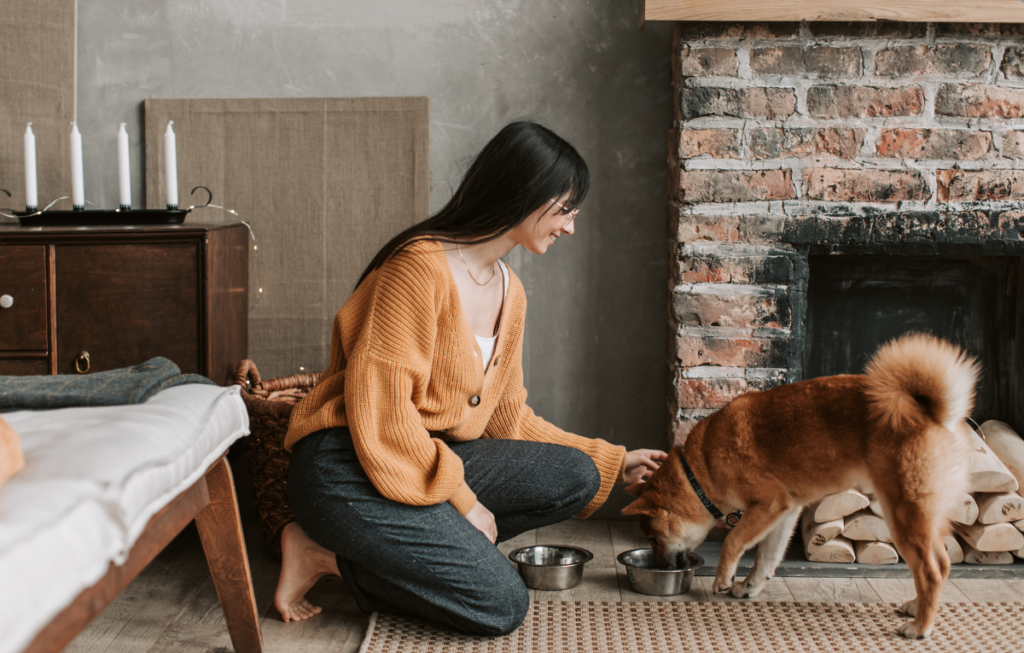
If you live in an apartment or keep your dog indoors most of the time, learning proper dog health tips for indoor dogs (& apartment dogs) can make a huge difference in your pup’s long-term happiness and wellbeing.
Indoor dogs can live just as healthy, active, and fulfilling lives as dogs with large yards – but only when their daily needs are met consistently. The key difference is that you become their main source of exercise, stimulation, structure, and safety.
This guide expands on everything you need to know: exercise, mental health, feeding, behaviour, grooming, safety, and common mistakes to avoid so your indoor dog thrives.
Indoor Dogs Can Be Just as Happy and Healthy
One of the biggest misconceptions is that indoor dogs are automatically bored or unhealthy. That simply isn’t true.
What actually matters is not where your dog lives but how well their needs are met.
Indoor dogs can be:
- Fit and energetic
- Emotionally stable
- Well-behaved
- Healthy and long-living
But only if their routine is properly structured.
Without structure, indoor dogs may develop the following:
- Anxiety
- Destructive behavior
- Weight gain
- Excessive barking
- Attention-seeking habits
This is why understanding dog health tips for indoor dogs (& apartment dogs) is essential for every pet parent in small living spaces.
Why Indoor Dogs Need More Structured Care
Unlike outdoor or yard-access dogs, indoor dogs don’t naturally burn energy throughout the day.
Instead, they face:
- Limited space to move freely
- Less environmental stimulation
- Fewer natural “activities”.
- More time spent resting or waiting for attention
That extra unused energy has to go somewhere—usually into behaviour problems.
If you don’t manage it properly, your dog may
- Chew furniture
- Bark excessively
- Become hyperactive at night
- Develop separation anxiety
The solution is simple: intentional daily care routines.
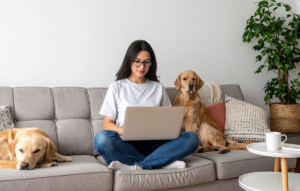
Exercise Is Non-Negotiable
Exercise is the foundation of every healthy indoor dog’s lifestyle.
Even if your dog lives in a small apartment, they still need regular movement for the following:
- Heart health
- Muscle strength
- Joint flexibility
- Weight control
- Emotional balance
Best Exercise Ideas for Indoor Dogs
You don’t need a backyard to keep your dog active. Try:
- Daily walks (morning and evening if possible)
- Indoor fetch (hallways or open rooms)
- Stair climbing (great for energy burn)
- Tug-of-war games
- Short training sessions with movement
How Much Exercise Is Enough?
It depends on:
- Breed
- Age
- Energy level
High-energy breeds may need 60–120 minutes daily, while small or senior dogs may need less but still require consistency.
The key rule is:
Daily short activity beats occasional long sessions.
Mental Stimulation Prevents Boredom
A tired dog is good—but a mentally tired dog is even better.
Many indoor behaviour problems come from boredom, not lack of physical exercise.
Signs Your Dog Is Mentally Bored:
- Chewing furniture
- Constant barking
- Pacing or restlessness
- Over-attachment to you
- Digging or scratching indoors
Mental Enrichment Ideas:
- Puzzle feeders
- Treat-dispensing toys
- Hide-and-seek games
- Basic obedience training
- Scent games (hide treats around the house)
Mental stimulation helps your dog feel “busy”, even in a small space.
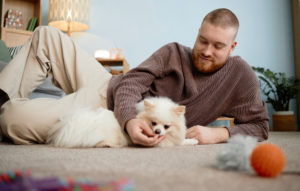
Structure and Routine Create Calm Dogs
Dogs thrive on predictability. A structured day helps reduce anxiety and improve behaviour.
Ideal Daily Routine:
- Morning walk
- Breakfast at the same time daily
- Midday bathroom break
- Afternoon play or nap
- Evening walk
- Dinner at a consistent time
- Calm wind-down before sleep
Why this works:
- Reduces stress
- Builds security
- Prevents destructive habits
- Improves sleep quality
A predictable routine is one of the most underrated dog health tips for indoor dogs (& apartment dogs).
Feeding Indoor Dogs Properly
Indoor dogs are at higher risk of weight gain because they naturally burn fewer calories.
Common Feeding Mistakes:
- Free-feeding all day
- Overusing treats
- Guessing portions
- Feeding table scraps
Healthy Feeding Tips:
- Measure every meal
- Feed 2 meals daily (or vet-recommended schedule)
- Limit treats to training rewards
- Choose high-quality dog food
- Adjust portions based on activity level
A healthy weight is one of the strongest predictors of a long life.
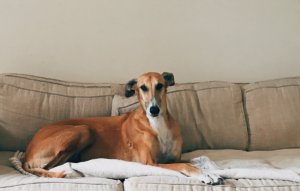
Preventing Weight Gain
Obesity in indoor dogs leads to:
- Joint strain
- Heart disease
- Low energy
- Shortened lifespan
Weight Control Tips:
- Daily walks
- Interactive play sessions
- Regular weigh-ins (weekly or monthly)
- Consistent portion control
Even small daily improvements prevent long-term weight problems.
Potty Training and Bathroom Routine
Indoor dogs rely heavily on your schedule for bathroom breaks.
Tips for Success:
- Take puppies out frequently
- Use consistent outdoor spots
- Reward successful potty behavior
- Clean accidents immediately
- Never punish; redirect instead
A stable bathroom routine prevents anxiety and accidents indoors.
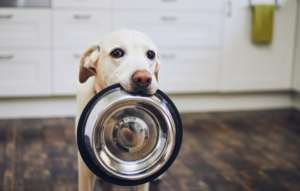
Barking Control in Apartments
Noise is one of the biggest challenges for apartment dog owners.
Common Causes of Barking:
- Boredom
- Anxiety
- Outside noises
- Lack of exercise
Solutions:
- Increase physical activity
- Provide mental stimulation toys
- Train “quiet” command
- Block visual triggers (curtains, windows)
- Ignore attention-seeking barking
A tired, mentally stimulated dog barks far less.
Socialization Still Matters
Even indoor dogs need exposure to the outside world.
Benefits of Socialisation:
- Reduces fear
- Improves confidence
- Prevents aggression
- Builds emotional stability
How to Socialise Indoor Dogs:
- Walk in different environments
- Meet calm, friendly dogs
- Visit pet-friendly areas
- Introduce new sounds gradually
Socialisation should continue throughout your dog’s life—not just puppyhood.
Grooming Is Essential (Even Indoors)
Indoor dogs still need regular grooming to stay healthy.
Grooming Tasks:
- Brushing coat
- Cleaning ears
- Trimming nails
- Bathing when needed
- Checking skin for irritation
Benefits:
- Reduces shedding
- Prevents skin issues
- Helps detect health problems early
Grooming is also a bonding activity.
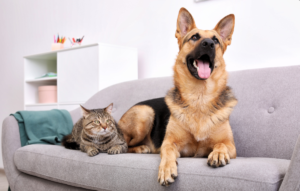
Indoor Safety Checklist
Your home may seem safe, but dogs can get into trouble easily.
Indoor Hazards:
- Electrical cords
- Toxic plants
- Small objects
- Cleaning chemicals
- Open windows or balconies
Safety Tips:
- Dog-proof your home
- Store chemicals securely
- Block dangerous areas
- Supervise new exploration
Prevention is always better than emergency vet visits.
Mental Health Matters Too
Indoor dogs are more sensitive to emotional changes in their environment.
Signs of Stress:
- Excessive licking
- Destructive behavior
- Restlessness
- Loss of appetite
Emotional Care Tips:
- Spend daily quality time together
- Use calm training methods
- Avoid long isolation periods
- Keep routines consistent
A happy dog is emotionally balanced first.
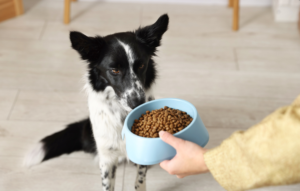
Training Makes Indoor Life Easier
Training is not optional for apartment dogs—it’s essential.
Core Commands:
- Sit
- Stay
- Come
- Leave it
- Quiet
Benefits:
- Better behavior
- Easier management indoors
- Reduced stress
- Safer interactions
Short daily training sessions are best.
Common Mistakes Indoor Dog Owners Make
Avoid these mistakes:
- Skipping daily exercise
- Ignoring mental stimulation
- Overfeeding treats
- Allowing inconsistent routines
- Not training basic commands
These small mistakes add up over time and impact long-term health.
Final Thoughts
Indoor dogs don’t need a backyard to live happy lives—they need structure, attention, exercise, and mental stimulation.
The real secret behind successful dog health tips for indoor dogs (& apartment dogs) is consistency. Small daily habits shape your dog’s long-term health more than anything else.
If you focus on:
- Daily exercise
- Mental stimulation
- Proper feeding
- Routine care
- Emotional bonding
Your indoor dog won’t just survive—they’ll thrive.
Because at the end of the day, your dog doesn’t need a huge space…
They just need you to show up every day for them.
Save Pin for later.


- Dog Nutrition Guide for Better Health and Energy - May 23, 2026
- How to Keep Your Cat Healthy and Active at Home - May 17, 2026
- Dog Health Tips for Indoor and Apartment Living - May 17, 2026