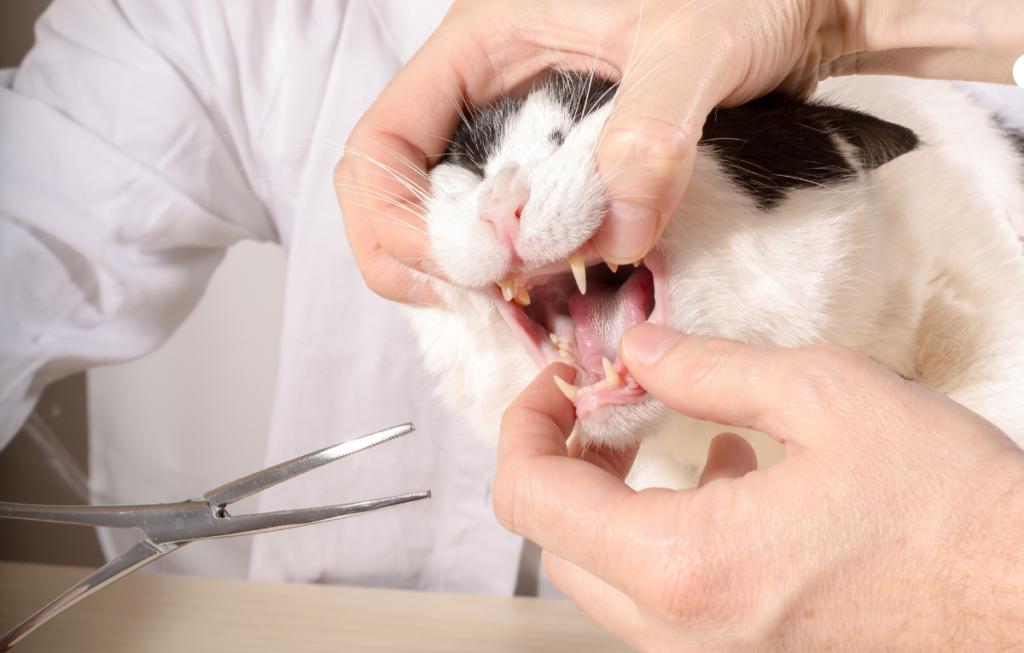
Have you noticed bad breath coming from your cat’s mouth lately, or wondered if cats even need dental care at all? If so, then Cat Dental Health Tips for Cleaner Teeth and Gums is advice you should NOT overlook! In this article, I’m going to cover everything you need to know about feline dental care. You’ll learn how to help keep your cat’s teeth and gums healthy, prevent common dental issues, and establish easy habits that can help improve your cat’s long-term health for years to come!
Many cat parents falsely believe their cats don’t need dental care because they keep themselves clean. However, dental disease is one of the most common health problems affecting cats, and many owners don’t realise there’s a problem until it becomes serious.
Let’s dive into everything you need to know.
Why Dental Health Is Important for Cats
Did you know your cat’s dental health affects much more than just their mouth?
Poor oral health can impact:
- Eating habits
- Comfort
- Energy levels
- Mood and behavior
- Overall wellness
When dental disease is left untreated, bacteria from the mouth can travel through the bloodstream and potentially affect organs like the heart and kidneys.
That’s why understanding Cat Dental Health Tips for Cleaner Teeth and Gums is so important.
A healthy mouth contributes to a healthier cat overall.
How Dental Problems Develop
Most dental disease starts small.
At first, plaque forms on your cat’s teeth after eating. Over time, that plaque hardens into tartar, which is much more difficult to remove.
Here’s how the process usually happens:
- Your cat eats food
- Food particles remain on teeth
- Plaque begins forming
- Plaque hardens into tartar
- Gums become inflamed
- Infection and dental disease develop
The problem is that cats often continue eating and behaving normally even while this is happening.
Why prevention matters:
Once tartar builds up, brushing alone may no longer be enough. Preventing buildup early is always easier than treating advanced dental disease later.
Common Dental Issues in Cats
Understanding common dental problems can help you catch symptoms earlier.
1. Gingivitis
Gingivitis is inflammation of the gums and is one of the earliest stages of dental disease.
Signs include:
- Red gums
- Swollen gums
- Bad breath
- Sensitivity around the mouth
The earlier gingivitis is addressed, the easier it is to reverse.
2. Periodontal Disease
This is a more advanced stage of dental disease.
Periodontal disease affects the tissues supporting the teeth and can become very painful.
Symptoms include:
- Loose teeth
- Missing teeth
- Bleeding gums
- Difficulty eating
- Infections
Without treatment, periodontal disease can permanently damage your cat’s mouth.
3. Tooth Resorption
Tooth resorption is a painful condition where the tooth structure begins breaking down.
This condition is surprisingly common in cats.
Symptoms include:
- Heavy drooling
- Refusing food
- Mouth sensitivity
- Chattering jaw while eating
Some cats with tooth resorption stop eating hard food entirely because of the discomfort.
4. Plaque and Tartar Buildup
Plaque and tartar are the foundation of many dental issues.
Warning signs:
- Yellow or brown discoloration on teeth
- Strong mouth odor
- Irritated gums
Catching plaque early can prevent more serious problems later.
Signs Your Cat Needs Dental Care
Cats are experts at hiding pain. Dental disease may progress quietly for months before obvious symptoms appear.
Here are some warning signs that your cat may need dental attention:
- Persistent bad breath
- Drooling
- Eating less food
- Chewing strangely
- Pawing at the mouth
- Bleeding gums
- Swelling around the mouth
- Avoiding hard food
Important reminder:
Even small behaviour changes matter. A cat who suddenly stops eating treats or avoids crunchy food may already be experiencing discomfort.
Why Bad Breath Is NOT Normal
A lot of cat owners assume “cat breath” is supposed to smell bad.
It’s not.
Persistent bad breath usually signals:
- Plaque buildup
- Gum disease
- Infection
- Tooth decay
Healthy cat mouths should not have an overpowering odour.
If your cat’s breath suddenly changes, pay attention.

Brush Your Cat’s Teeth
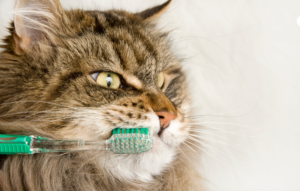
Brushing your cat’s teeth is one of the best things you can do for their oral health.
Benefits include:
- Reducing plaque buildup
- Preventing tartar
- Keeping gums healthier
- Freshening breath
Daily brushing is ideal, but brushing several times per week can still make a huge difference.
Always use:
- Cat-specific toothbrushes
- Cat-safe toothpaste
Never use human toothpaste because many ingredients are toxic to cats.
How to Get Your Cat Comfortable with Tooth Brushing
Most cats don’t immediately enjoy toothbrushing—and that’s okay.
The key is introducing it slowly.
Step-by-step approach:
- Let your cat sniff the toothbrush
- Allow them to taste the toothpaste
- Gently touch their gums with your finger
- Brush one or two teeth at first
- Slowly increase brushing time over days or weeks
Tips:
- Keep sessions short
- Stay calm and patient
- Reward your cat afterward
Positive experiences matter more than perfection.
Nutrition Plays a Huge Role in Dental Health
What your cat eats affects their teeth and gums more than many owners realise.
A healthy diet helps:
- Support gum health
- Strengthen the immune system
- Reduce inflammation
- Improve coat and skin health too
A good diet should include the following:
- High-quality protein
- Balanced nutrients
- Limited fillers and sugars
Poor nutrition can contribute to inflammation throughout the body, including the mouth.
Wet Food vs Dry Food for Dental Health
Many people believe dry food “cleans teeth”.
The truth is more complicated.
Wet Food Benefits:
- Higher moisture content
- Easier to chew
- Better hydration support
Dry Food Benefits:
- Slight abrasive effect on teeth
- Convenient storage
The best option often depends on your cat’s health, age, and preferences.
A combination diet may work well for many cats.
Dental Treats and Chews
Dental treats can help reduce plaque buildup and freshen breath.
However:
They should support dental care—not replace brushing.
Choose treats designed specifically for dental health.
Benefits:
- Mechanical cleaning action
- Encourages chewing
- May help reduce tartar accumulation
Still, brushing remains the gold standard.
Hydration Helps Dental Health Too
Hydration is often overlooked when discussing dental care.
Saliva helps:
- Wash away bacteria
- Remove food particles
- Maintain oral balance
Encourage hydration by:
- Providing fresh water daily
- Cleaning bowls often
- Using cat water fountains
Some cats naturally drink more from moving water sources.
Veterinary Dental Checkups Matter
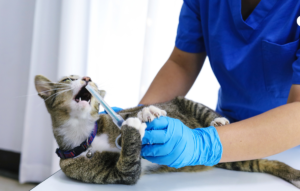
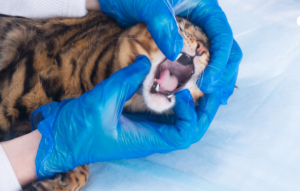
Even with excellent home care, your cat still needs veterinary dental evaluations.
During checkups, your vet can:
- Identify early dental disease
- Recommend treatments
- Detect hidden pain
- Perform professional cleanings if needed
Cats often hide oral discomfort extremely well, so regular exams are important.
Professional Dental Cleaning
Sometimes professional cleaning becomes necessary.
During professional dental cleaning:
- Your cat is placed under anesthesia
- Teeth are cleaned thoroughly
- Tartar is removed
- Teeth and gums are examined closely
This allows veterinarians to detect issues that are impossible to see at home.
Professional cleanings can dramatically improve your cat’s comfort and health.
Senior Cats Need Extra Dental Attention
As cats age, dental issues become more common.
Older cats may experience:
- Tooth loss
- Gum disease
- Mouth sensitivity
- Difficulty chewing
Things that help senior cats:
- More frequent monitoring
- Softer foods if necessary
- Regular veterinary exams
Never assume your senior cat is “just slowing down.” Dental pain may be contributing to behavioral changes.
Build a Simple Daily Dental Routine
Dental care doesn’t have to feel overwhelming.
A simple routine may include:
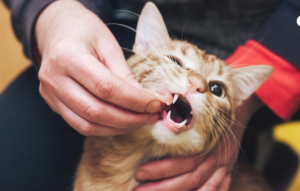
- Looking inside your cat’s mouth briefly
- Brushing teeth regularly
- Monitoring eating behavior
- Checking for bad breath
Small daily habits prevent major problems later.
Consistency matters more than perfection.
Dental Care Mistakes to Avoid
Now that we know what to do, let’s talk about common mistakes.
Waiting Too Long
Many owners wait until symptoms become severe.
By then:
- The disease may already be advanced
- Treatment may become expensive
- Your cat may already be in pain
Assuming Cats Don’t Need Dental Care
This is one of the biggest misconceptions in cat care.
Cats absolutely need oral hygiene support.
Ignoring Changes in Eating Habits
Cats often adjust how they eat to hide pain.
Watch for:
- Dropping food
- Eating slower
- Favoring one side of the mouth
Using Human Toothpaste
Human toothpaste can be toxic to cats.
Always use products designed specifically for feline use.
Dental Health Affects the Entire Body
Your cat’s mouth impacts their whole-body health.
Untreated oral bacteria can contribute to:
- Heart disease
- Kidney stress
- Inflammation
- Immune system problems
This is why dental care should never be treated as “optional”.
Tips to Make Dental Care Easier
If your cat hates dental care, don’t panic.
Here are ways to make it easier:
- Start slowly
- Brush for only a few seconds initially
- Reward calm behavior
- Stay patient and relaxed
Avoid:
- Forcing your cat aggressively
- Long brushing sessions
- Turning dental care into a stressful experience
The goal is gradual comfort and trust.
Prevention Is Always Better Than Treatment
Treating advanced dental disease can be the following:
- Stressful
- Expensive
- Painful for your cat
Preventive care is easier, cheaper, and far more comfortable for your pet.
Small daily habits truly add up over time.
That’s why Cat Dental Health Tips for Cleaner Teeth and Gums is so valuable for long-term feline health.
Final Thoughts.
Your cat’s dental health matters more than many people realise. Oral disease doesn’t just affect teeth—it affects comfort, eating, behaviour, and overall wellness. And because cats are masters at hiding pain, problems often go unnoticed until they become serious.
If there’s one thing to remember, it’s this:
Focus on prevention.
By monitoring your cat’s mouth, brushing regularly, feeding a healthy diet, and staying consistent with care, you can help your cat enjoy a healthier and happier life for years to come. And honestly, isn’t that what every cat parent wants?
Save Pin for later.

- Dog Nutrition Guide for Better Health and Energy - May 23, 2026
- How to Keep Your Cat Healthy and Active at Home - May 17, 2026
- Dog Health Tips for Indoor and Apartment Living - May 17, 2026