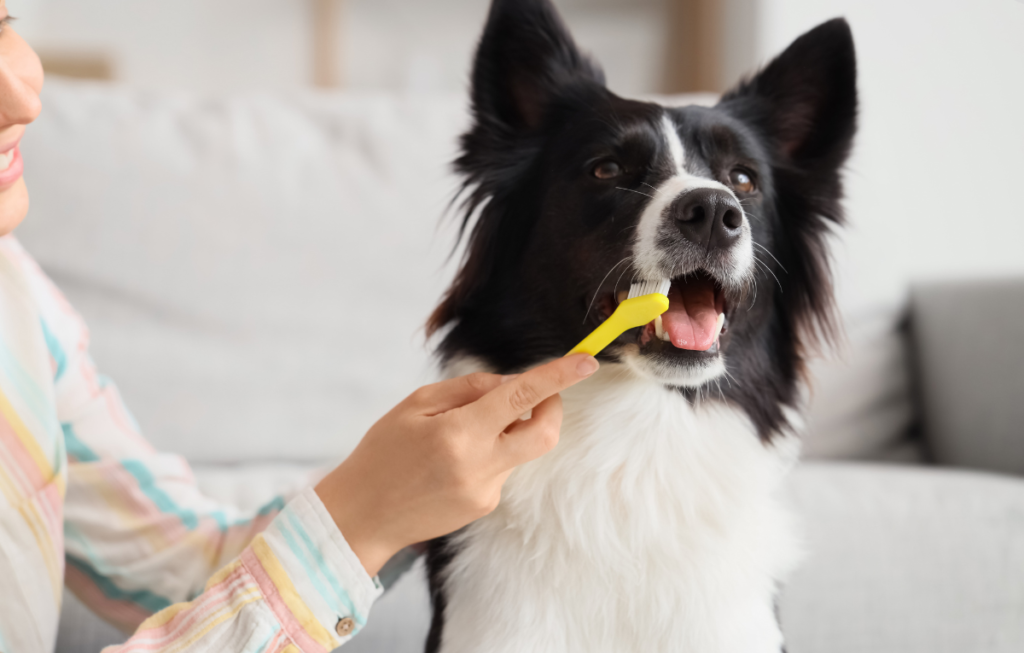
What are some things you can do to ensure your dog lives a long, happy, and healthy life? One of the most effective answers is building a consistent Daily Dog Health Routine for Active and healthy pets.
The good news? It doesn’t have to be complicated. You don’t need expensive equipment, complicated training systems, or strict schedules that feel impossible to maintain. What your dog truly needs is consistency, structure, and care repeated every day. Dogs thrive when life is predictable. When they know what happens next, their stress decreases, their behavior improves, and their overall health becomes easier to maintain. Whether you have a playful puppy or a calm adult dog, a daily routine can transform their well-being in ways you’ll notice quickly.
Let’s walk through a complete, realistic routine you can actually follow.
Why Dogs Need a Daily Routine
Before building the routine, it’s important to understand why it matters so much.
Dogs are creatures of habit. Unlike humans, they don’t understand time, schedules, or unpredictability. Instead, they rely on patterns.
When a dog has a stable daily structure, you’ll often see:
- Reduced anxiety and restlessness
- Better digestion and bathroom habits
- Improved obedience and focus
- More balanced energy levels
- Fewer destructive behaviors
Without routine, dogs can become confused or overstimulated. This often leads to barking, chewing, pacing, or even withdrawal.
A routine is not just helpful—it is foundational to your dog’s emotional stability.
Morning Routine: The Foundation of a Healthy Day
The morning sets the tone for everything that follows. A strong start creates a calm, balanced dog for the rest of the day.
1. First Bathroom Break
As soon as your dog wakes up, take them outside.
Why this is important:
- Prevents accidents indoors
- Supports bladder and bowel health
- Establishes daily rhythm
Even if your dog seems sleepy or reluctant, this step should be non-negotiable.
2. Morning Health Check
This only takes a few seconds but can reveal early warning signs.
Look for:
- Bright, alert eyes
- Normal posture and movement
- Healthy appetite behavior
- No visible discomfort
Subtle changes in the morning can indicate early illness. Dogs rarely show obvious symptoms until a condition has progressed, so early observation is key.
3. Morning Exercise
Before breakfast, allow your dog to move.
Options include:
- A short walk around the neighborhood
- Backyard play (fetch or light running)
- Basic training exercises
Why exercise first:
- Stimulates digestion
- Reduces morning anxiety
- Burns excess overnight energy
For high-energy dogs, this step is essential for preventing restlessness throughout the day.
4. Breakfast Meal
After exercise, it’s time to feed your dog.
Guidelines:
- Use high-quality dog food
- Measure portions consistently
- Feed at the same time daily
Avoid feeding before exercise, especially in large breeds, as it may lead to discomfort or digestive issues.
Midday Routine: Mental Balance and Stability
Midday care is often overlooked, but it plays a huge role in behavior and emotional health.
1. Midday Bathroom Break
This is especially important for puppies, senior dogs, or dogs on medication.
Benefits:
- Prevents accidents
- Maintains house training consistency
- Reduces bladder stress
Even adult dogs benefit from predictable bathroom schedules.
2. Mental Stimulation Session
Dogs don’t just need physical activity—they need mental engagement too.
Try:
- Puzzle toys
- Treat-search games
- Short obedience training
- Scent-based activities
Mental stimulation helps prevent boredom, and boredom is one of the leading causes of destructive behavior like chewing or excessive barking.
A mentally tired dog is often calmer than a physically tired one.
3. Quiet Rest Period
After the activity, allow your dog to rest.
Why rest matters:
- Prevents overstimulation
- Supports emotional regulation
- Helps recovery from morning activity
Dogs don’t need constant entertainment. Rest is a critical part of a healthy routine.

Afternoon Routine: Energy Release and Exploration
The afternoon is ideal for the most active part of your dog’s day.
1. Long Walk or Outdoor Activity
This is typically the most important physical exercise session of the day.
Benefits:
- Physical fitness
- Mental stimulation through sniffing and exploring
- Stress relief
Let your dog explore at their own pace. Sniffing is mental enrichment—it’s how dogs “read the world”.
2. Social Interaction (If Appropriate)
Some dogs thrive in social environments, while others prefer solitude.
Options include:
- Controlled dog park visits
- Playdates with familiar dogs
- Calm leash walks around other pets
Always prioritise safety and your dog’s personality. Not every dog enjoys social interaction, and that’s okay.
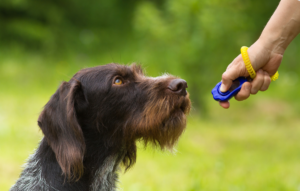
3. Training Reinforcement
Short daily training keeps behaviour sharp.
Focus on:
- Sit
- Stay
- Come
- Leash manners
Training doesn’t need to be long. Even 5–10 minutes a day builds strong long-term obedience.
Consistency matters more than duration.
Evening Routine: Relaxation and Wind-Down
Evening is about slowing things down and preparing your dog for rest.
1. Light Evening Play
Avoid high-energy activities before bed.
Instead:
- Gentle tug-of-war
- Slow indoor fetch
- Calm interactive toys
This helps release leftover energy without overstimulation.
2. Dinner Meal
Feed your dog dinner at a consistent time.
Important rules:
- Same portion size daily
- No frequent food changes
- Avoid overfeeding treats
Consistency helps digestion and prevents nighttime discomfort.
3. Evening Bathroom Break
This is essential before bedtime.
It helps prevent:
- Nighttime accidents
- Restlessness
- Interrupted sleep
A final bathroom routine helps your dog settle into the night peacefully.
Night Routine: Comfort and Emotional Security
1. Calm Time Together
Dogs are social and emotional animals. They thrive on connection.
Spend time:
- Sitting together
- Gentle petting
- Quiet bonding
This strengthens emotional trust and reduces anxiety.
2. Sleep Environment
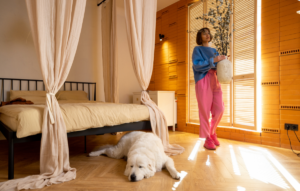
Make sure your dog’s sleeping area is comfortable and safe.
Provide:
- A soft, clean bed
- A quiet environment
- Low lighting or calm surroundings
Dogs sleep better when they feel secure and close to their humans.
Daily Health Maintenance
Hydration
Water intake is often overlooked but extremely important.
Ensure:
- Fresh water is always available
- Bowls are cleaned daily
- Changes in drinking habits are noticed
Sudden increases or decreases in water consumption can signal health issues.
Grooming Checks
Daily grooming doesn’t mean full grooming sessions.
Instead:
- Check coat condition
- Look for dirt or ticks
- Clean paws if needed
These small checks help prevent bigger health issues.

Behavior Monitoring
Pay attention to small changes, such as:
- Appetite shifts
- Energy changes
- Mood differences
- Sleeping habits
Dogs communicate through behaviour long before physical symptoms appear.
Common Mistakes to Avoid
1. Inconsistent Feeding Times
This disrupts digestion and behaviour patterns.
2. Skipping Exercise
Even one missed day can lead to behavioural changes.
3. Ignoring Mental Exercise
Without mental stimulation, dogs become bored and destructive.
4. Overusing Treats
Treats should support training—not replace nutrition.
Adjusting the Routine for Your Dog
Every dog is different. A routine should adapt based on:
- Age
- Breed
- Energy level
- Health condition
Puppies need more frequent breaks and training. Older dogs need more rest and gentler exercise.
Seasonal Adjustments
Summer Adjustments:
- Walk early or late in the day
- Increase water intake
- Avoid hot pavement
Winter Adjustments:
- Shorter outdoor sessions
- More indoor stimulation
- Warm sleeping areas
Your routine should flex with environmental conditions.
Final Thoughts
A daily dog health routine for active and healthy pets doesn’t need to be complex or overwhelming. It just needs to be consistent. Feed your dog well. Move your dog daily. Stimulate their mind. Give them affection. Keep their schedule predictable. These simple habits create a foundation for long-term health and happiness.
Because at the end of the day, your dog doesn’t need perfection. They need routine. They need stability. And most importantly, they need you. And when you show up for them every day, in small but consistent ways, you’re not just taking care of a pet.
You’re building a healthier, happier life together.
Save Pin for later.


- Dog Nutrition Guide for Better Health and Energy - May 23, 2026
- How to Keep Your Cat Healthy and Active at Home - May 17, 2026
- Dog Health Tips for Indoor and Apartment Living - May 17, 2026