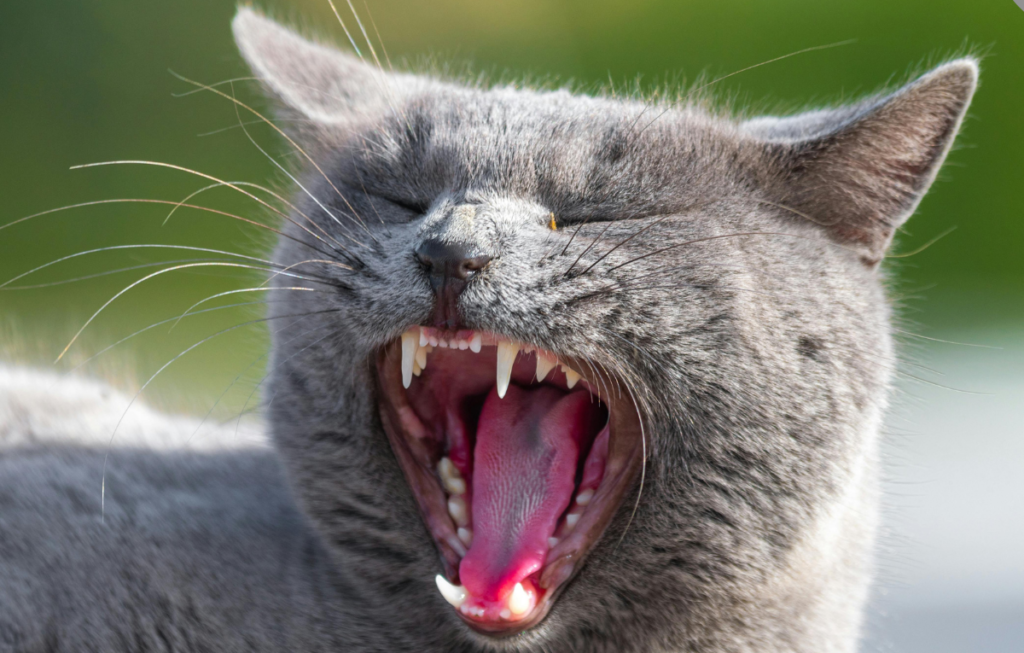
You glance over at your cat as they lounge around the house and wonder why they always look angry. How can your cat look so annoyed while they’re sleeping or just sitting there staring at nothing?
I’ve wondered this many times over the years. Some cats just have that “look”, even when they’re completely relaxed. That’s what led me to explore The Science Behind Why Some Cats Look Perpetually Angry.
As it turns out, that annoyed expression is completely normal. It’s a mix of science, facial structure, and how we interpret their faces. Cats don’t use facial expressions the same way humans do. They don’t smile or intentionally furrow their brows to look upset.
Why Cats Don’t “Smile” Like Humans
Before diving in, it’s important to understand how cats differ from us.
Humans communicate with their faces by:
- Smiling
- Frowning
- Raising or furrowing eyebrows
Cats communicate through the following:
- Body language
- Tail movement
- Ear position
Their faces don’t shift dramatically like ours do. Most cats naturally have neutral expressions, which can easily be misinterpreted.
Understanding this is key to grasping the science behind why some cats look perpetually angry.
Face Shape Plays a Big Role
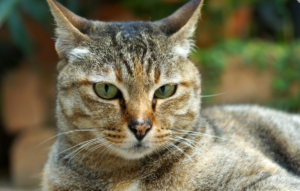
Some cats simply look “mad” because of their facial structure.
Features that can create an “angry” look:
- Downturned mouth shape
- Prominent whisker pads
- Narrow or slanted eyes
- A heavier brow ridge
These features can give your cat a permanent scowl—even when they’re perfectly content.
Certain breeds are more prone to this look due to their natural face shape.
Eye Shape and Position
Eyes are a major part of how we interpret emotions.
In cats:
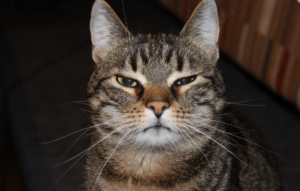
- Slitted eyes can look suspicious
- Half-closed eyes may seem judgmental
- Deep-set eyes can create shadows that resemble a frown
But here’s the truth:
A cat with half-closed eyes is usually relaxed.
Slow blinking is actually a sign of trust and comfort.
Whisker Pad Placement
It may sound odd, but whisker pads affect how your cat’s face appears.
Whisker pads are the areas where whiskers grow from.
Larger whisker pads can:
- Make the face look puffed up
- Create the illusion of a “tight” mouth
- Give a scowling appearance
It’s a subtle detail—but it absolutely contributes to that “angry” look.
Coat Color and Patterns
Believe it or not, your cat’s colour can influence how their expression appears.
Things to consider:
- Dark coats create more shadows
- Contrasting markings can resemble “eyebrows”
- Certain patterns highlight facial features
This is why black cats, in particular, are often perceived as looking more serious or intense.
Human Brains Are Wired to Read Faces
Here’s the reality: part of the issue isn’t your cat—it’s us.
Humans are wired to read emotions in faces. When we see certain features, we automatically assign meaning to them.
This leads to:
- Projecting human emotions onto pets
- Misreading neutral expressions
- Assuming a cat is upset when it’s calm
This phenomenon is called anthropomorphism—assigning human traits or emotions to non-human beings.
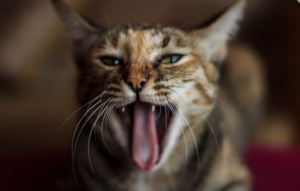
Some Breeds Naturally Look More “Serious”
Some cats are simply built to look more intense.
Examples include:
- Flat-faced cats
- Cats with angular features
- Cats with large, intense eyes
It’s not about personality—it’s just genetics and structure.
Focus on Body Language Instead
If you really want to know how your cat feels, ignore the face and watch the body.
A relaxed cat will:
- Have a loose, comfortable posture
- Move gently
- Keep ears neutral or forward
An angry cat will:
- Puff up their fur
- Flick or lash their tail
- Pin their ears back
Body language never lies—facial expression often does.
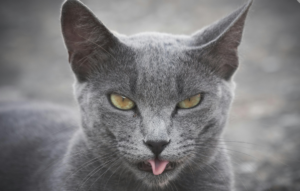
Some Cats Just Have a “Serious” Look
Some cats simply look intense all the time.
This can be due to:
- Genetics
- Breed traits
- Facial structure
It doesn’t mean they’re mean or unhappy—it just means their resting face looks more “serious.”
“Looking Mad” vs. Actually Mad
Here’s a simple breakdown:
A cat that looks mad:
- Is relaxed
- Shows no aggression
- May come cuddle with you
A cat that is actually mad:
- Avoids you
- Shows warning signs
- May hiss, swat, or scratch
Knowing the difference is essential.
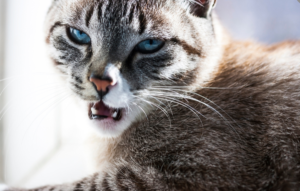
How Misreading Your Cat Affects Your Relationship
If you constantly think your cat is angry when they’re not:
- You may avoid bonding with them
- You could miss opportunities for affection
On the other hand, if you ignore real warning signs:
- You risk getting scratched or bitten
- Your cat may feel stressed
Understanding your cat correctly leads to a better relationship.
How to Understand Your Cat Better
Instead of focusing only on their face, look at the full picture:
- Face
- Body
- Movement
- Situation
Ask yourself:
- What is my cat doing?
- What just happened?
- Are there signs of stress?
This gives you a much clearer understanding of their emotions.
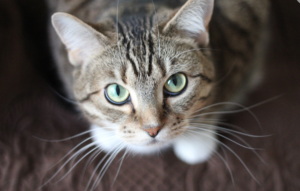
Situations Where Cats May Look “Mad”
- While resting or sleeping
They may look serious even when relaxed. - While observing
Cats often study their environment intensely. - When mildly irritated
Slight discomfort can change their expression.
Understanding context helps prevent misinterpretation.
Can You Change Your Cat’s Facial Expression?
No, you can’t change how your cat looks.
But you can:
- Improve their environment
- Reduce stress
- Build trust
These changes affect behaviour—not appearance.
Why This Matters
Learning about the science behind why some cats look perpetually angry helps you:
- Avoid misreading your cat
- Communicate better
- Build a stronger bond
The more you understand your cat, the more they’ll trust you.
Final Thoughts.
Not all cats look angry, but many do.
I’ve learned that just because a cat looks like it’s scowling doesn’t mean it actually is. Once I stopped judging my cat’s face and started paying attention to behaviour, everything became clearer.
Focus on body language, context, and behaviour—that’s where real communication happens.
And once you do, you’ll stop worrying about how your cat looks and start understanding how they feel.
Save Pin for later.

- Dog Nutrition Guide for Better Health and Energy - May 23, 2026
- How to Keep Your Cat Healthy and Active at Home - May 17, 2026
- Dog Health Tips for Indoor and Apartment Living - May 17, 2026