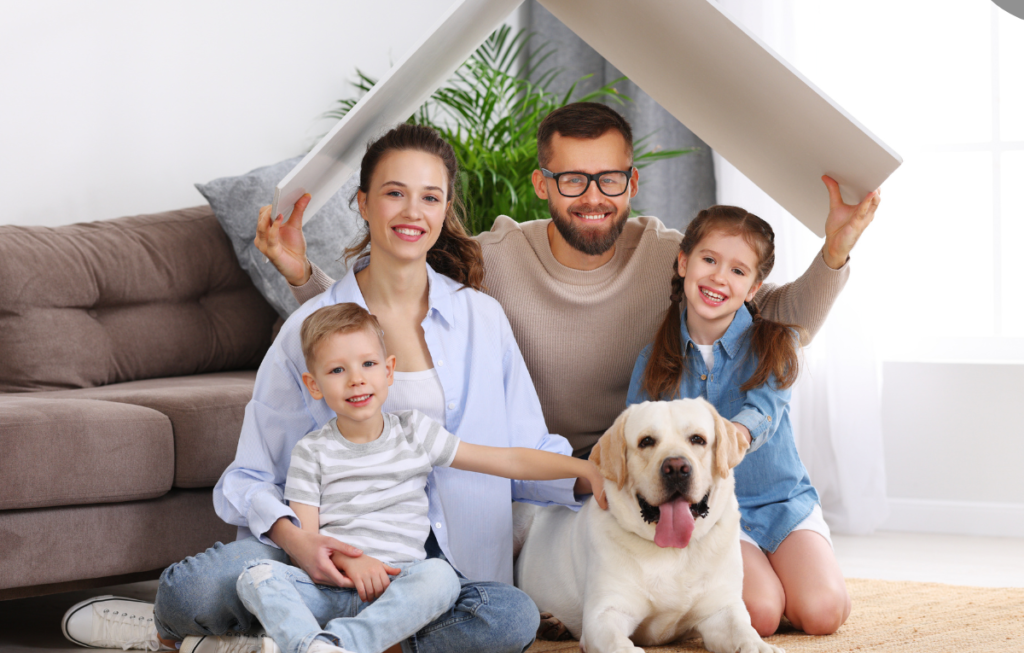
Adopting a new dog is an exciting time for both you and your new pup. You dream of all the cuddles, games, and blissful days in your forever home together. But when you actually bring your pup home, things might look a little different from what you planned. Your new pup might pace around the home, whine, shy away from everything you try to do, or seem unsure of themselves.
I want you to know this upfront: it’s okay. Your new dog has had their life turned upside down. They don’t know the layout of the home. They may not know the routine. And even their former home was their home, not yours. Everything they know has changed, and that can be scary.
I’m going to show you how I personally help new dogs settle into a home so you can minimize stress and maximize trust right from the start.

What Exactly Is “New Dog Anxiety”?
Your pup is not being bad on purpose. Their nerves are showing.
Think about it: your dog used to live somewhere else. They knew the rules there. They knew where the food and water were. They knew which spaces felt comfortable.
Now they’re somewhere new. It might be safe, but it doesn’t feel that way to them yet. There may be new people, different smells, and other animals they have to learn to trust—or avoid.
Common signs of dog anxiety after adoption:
- Scared to eat
- Running around, unable to relax
- Trying to hide
- Whining or barking more
- Wanting to follow you everywhere
- Having accidents in the house
- Trying to avoid you
It’s not that your dog is trying to disobey you. Their body is stuck in stress mode because everything is so new.
Why New Additions Need Time to Adapt Quickly
The first couple of days are crucial.
Remember: your dog doesn’t yet know this place is safe. They are watching your every move and trying to understand:
- Will I get hurt here?
- Is my new family nice?
- Where can I eat, sleep, and drink?
You can overwhelm them by doing too much too fast. The sooner you establish a calm environment, the easier New Dog Anxiety — How to Help Your Pup Settle In Faster becomes.
When a new dog comes into my home, I call it their “Quiet Integration Week.” The first few days are calm—no intense play, no crowds, and no overwhelming stimulation.
Establish a Safe Space ASAP
Dogs need to know there is a spot that is just theirs:
- Where they can go to relax
- Where they won’t be bothered
- Where they can eat or sleep quietly
Create a space that is:
- Away from high-traffic areas
- Equipped with their bed or crate
- Has access to water
- Free from constant disruption
This space is your dog’s way of mentally pressing “reset.”
I like to pick a corner or room where my new dog can retreat when things feel overwhelming. You should not force them out of this space during the first few days. They should leave only when they feel comfortable.
This step alone can significantly reduce anxiety.
Maintain a Set Routine
Predictability is comforting to dogs.
The unknown is what causes anxiety, so giving your dog a predictable routine helps them relax.
Try to keep these consistent:
- Meal times
- Walk times
- Bedtime
- Potty breaks
The more your dog understands what happens next, the easier it is for them to settle.
Many new dog owners make the mistake of constantly changing routines. Remember: consistency is your new dog’s best friend.

Don’t Overwhelm Your New Dog With Guests
There will be FOMO—but don’t give in.
You may want your new dog to meet everyone, but too much social interaction too soon can overwhelm them.
Tips for new dog introductions:
- Take it slow
- Let your dog approach people first
- Keep interactions calm and quiet
- Avoid loud environments
If your dog hides or backs away, do NOT force them. It will only increase anxiety.
Patience builds confidence.
Don’t Forget to Exercise
Even if your pup is nervous, they still need movement.
Exercise helps reduce stress hormones and improves mood.
Try:
- Short walks for anxious dogs
- Longer walks for confident dogs
- Play sessions (fetch, tug-of-war, etc.)
I always try to include at least one structured walk daily when managing New Dog Anxiety — How to Help Your Pup Settle In Faster. It helps with behavior, sleep, and emotional balance.
Start Rewarding Good Behavior
Your dog is learning what is acceptable in this new environment.
Reward calm behavior:
- Sitting calmly
- Walking nicely on a leash
- Exploring confidently
Rewards can include:
- Treats
- Soft praise
- Petting
- Play
Avoid punishment during this stage—it only builds fear.
You want trust, not fear.
Take It Slow With Free Roaming
Many people immediately give dogs full access to the house. That’s a mistake.
Your dog is already overwhelmed. Too much space increases stress.
Start with:
- One room for the first few days
- Gradually expand access
- Allow exploration on their terms
This reduces anxiety and prevents accidents.
Figure Out What Triggers Your Dog
Dogs often have triggers such as:
- Loud noises
- Sudden movements
- People
- Other pets
- Household objects
Even something like a vacuum cleaner can trigger fear.
Observe carefully and adjust accordingly. You can:
- Avoid triggers initially
- Introduce them gradually
- Build positive associations
This step is essential for success with New Dog Anxiety — How to Help Your Pup Settle In Faster.
Keep Your Own Anxiety Under Control
Dogs pick up on your emotions.
If you are anxious, they will feel it.
Stay calm. Speak calmly. Act like everything is stable—even if you feel unsure.
Your dog needs you to be their anchor.
Clean Up Accidents Without Scolding
Even house-trained dogs may have accidents due to stress.
Instead:
- Take them out more often
- Reward outdoor potty breaks
- Clean accidents without yelling
You don’t want your dog to fear you or toileting in your presence.
Work on Alone Time Gradually
Start small:
- Leave your dog alone for a few minutes
- Gradually increase the time
You don’t want your dog to believe your absence is a crisis.
Keep departures and returns calm and low-energy.

Comfort Your Dog When They’re Scared
There is a balance between comfort and reinforcement.
You should:
- Stay calm
- Use a soothing tone
- Offer gentle petting
But avoid overreacting or “panicking for them.”
Tools That Can Help
You can also support your dog with:
- Calming chews
- Thunder shirts
- White noise or calming music
- Dog appeasing pheromones
These are helpful, but not replacements for structure and routine.
Remember: It Takes Time
Don’t rush your dog.
Typical timeline:
- First few days: adjusting
- First few weeks: learning routine
- First few months: fully settling in
Every dog is different. Be patient.
Final Thoughts
Training a new dog is not about perfection—it’s about patience, consistency, and emotional awareness.
Your dog isn’t trying to misbehave. They’re adjusting.
By following the mindset behind New Dog Anxiety, you set your dog up for success. They will feel safer, trust you more, and begin to show their true personality.
And if you stay consistent, you’ll see the difference it makes.
Save pin for later.

- Dog Nutrition Guide for Better Health and Energy - May 23, 2026
- How to Keep Your Cat Healthy and Active at Home - May 17, 2026
- Dog Health Tips for Indoor and Apartment Living - May 17, 2026