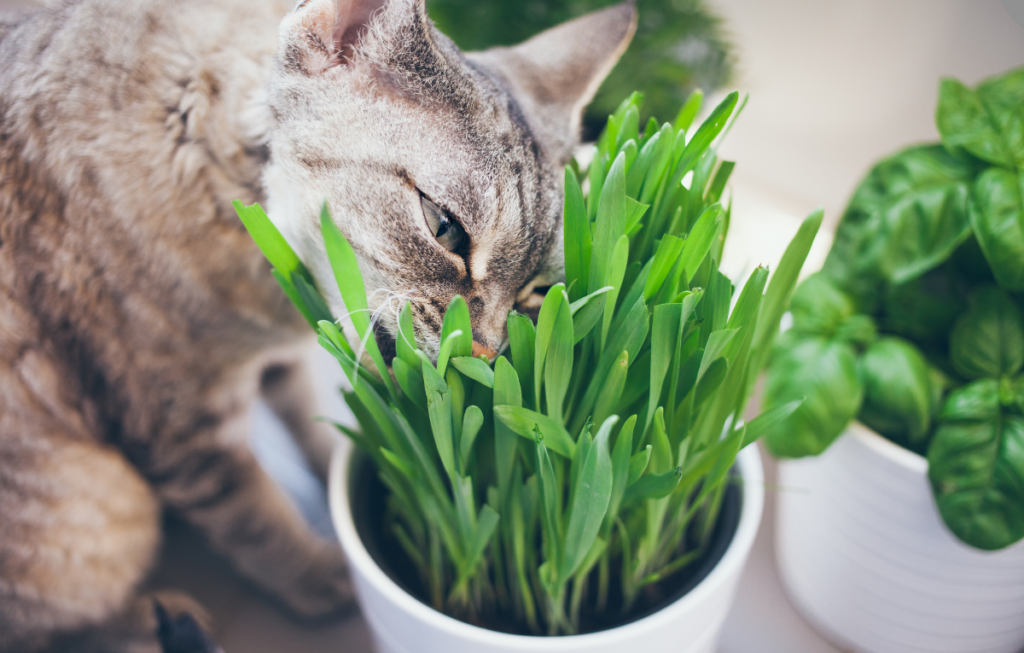
Alright, here’s the truth. Most cat owners don’t think about plants until something goes wrong. A plant sits quietly in the corner of your home. Your cat walks by, sniffs it, maybe nibbles a leaf or bats it around. Everything seems fine… until it isn’t.
That’s why understanding The Most Common Poisonous Plants to Cats is so important.
Believe it or not, there are many common houseplants that can be harmful—even deadly—to cats.
And the tricky part is the following:
- Cats love chewing plants
- Cats can’t tell us what’s dangerous
- Even small amounts can cause problems
So it’s our responsibility as owners to create a safe environment.
In this guide, we’ll cover:
- Common toxic plants
- Why they’re dangerous
- Symptoms of poisoning
- How to protect your cat while still enjoying plants
Why Are Some Plants Poisonous to Cats?
Before listing plants, it helps to understand why they are dangerous.
Many plants naturally produce chemicals to protect themselves from insects or animals. While these compounds are often harmless to humans in small amounts, cats are more sensitive.
This happens because the following:
- Cats have sensitive digestive systems
- They lack enzymes to break down certain plant toxins
- They groom themselves and ingest plant residue
- Even small exposure can cause reactions
So while plants are beautiful, some are simply not pet-friendly.
1. Lilies (Extremely Dangerous)
Let’s start with the most important one.
Why Lilies Are Dangerous
All parts of the lily plant are toxic to cats—even the pollen. Ingesting or even brushing against pollen can lead to kidney failure.
Common Types
- Easter Lily
- Tiger Lily
- Day Lily
- Asiatic Lily
Symptoms
- Vomiting
- Loss of appetite
- Lethargy
- Changes in urination
⚠️ Important: Lilies can be fatal. Even small exposure is an emergency.
2. Aloe Vera
Aloe is helpful for humans, but harmful to cats.
Why It’s Toxic
It contains saponins, which irritate the digestive system.
Symptoms
- Vomiting
- Diarrhea
- Lethargy
3. Pothos (Devil’s Ivy)
A very common houseplant.
Why It’s Dangerous
Contains calcium oxalates that cause irritation when chewed.
Symptoms
- Drooling
- Pawing at the mouth
- Difficulty swallowing
4. Philodendron
Closely related to pothos and equally toxic.
Symptoms
- Oral irritation
- Swollen tongue or throat
- Vomiting or upset stomach
5. Dieffenbachia (Dumb Cane)
Beautiful, but highly irritating.
Why It’s Toxic
Contains sharp calcium oxalate crystals that cause intense irritation.
Symptoms
- Burning sensation in the mouth
- Excessive drooling
- Swelling in throat or tongue
6. Snake Plant (Sansevieria)
Also known as mother-in-law’s tongue.
Symptoms
- Nausea
- Vomiting
- Diarrhea
7. Sago Palm (Extremely Dangerous)
One of the most toxic plants for pets.
Why It’s Dangerous
Every part is poisonous, especially the seeds.
Symptoms
- Liver failure
- Vomiting
- Seizures
- Can be fatal
8. Tulip
Toxic Part
- Bulbs (most dangerous)
- Leaves
- Flowers
Symptoms
- Drooling
- Vomiting
- Loss of appetite
9. Daffodil
Beautiful but toxic.
Symptoms
- Vomiting
- Diarrhea
- Abdominal pain
10. Azaleas and Rhododendrons
Effects
- Weakness
- Heart problems
- Digestive upset
11. English Ivy
A common hanging plant that can cause issues if eaten.
Symptoms
- Vomiting
- Drooling
- Abdominal pain
12. Chrysanthemums
Common in floral arrangements.
Symptoms
- Skin irritation
- Vomiting
- Loss of coordination
Symptoms of Plant Poisoning in Cats
If your cat has been exposed to a toxic plant, watch for:
- Vomiting
- Diarrhea
- Drooling
- Lethargy
- Loss of appetite
- Swelling around the mouth
- Difficulty breathing
If you notice these symptoms, contact a vet immediately.
Why Do Cats Chew on Plants?
Cats don’t chew plants to harm themselves. It usually comes down to:
- Boredom
- Curiosity
- Texture preference
- Natural instinct (like eating grass)
So prevention is key.
Non-Toxic Plants for Cats
If you still want greenery in your home, try:
- Cat grass
- Spider plant (generally safe)
- Areca palm
These are safer alternatives your cat can interact with.
How to Keep Your Cat Safe From Poisonous Plants
1. Identify All Plants in Your Home
Make a list and research each one.
2. Remove Toxic Plants
If unsure, it’s safer to remove it.
3. Place Plants Out of Reach
But remember—cats can jump.
4. Use Deterrents
Citrus scents or barriers can help discourage chewing.
5. Provide Alternatives
Give your cat safe plants or chew-friendly toys.
If Your Cat Eats a Plant
Do this immediately:
- Remove plant material from their mouth
- Identify the plant
- Contact your veterinarian right away
Don’t wait for symptoms to appear.
Common Mistakes Cat Owners Make
- “My cat won’t eat plants.” (False)
- “A small amount won’t hurt.” (False)
- “Indoor plants are always safe.” (False)
Cats are unpredictable—assume curiosity, not caution.
Final Thoughts
Cats are curious by nature. That’s part of what makes them so entertaining—and sometimes so risky.
But you don’t need to remove all plants from your home.
You just need awareness.
Now that you know the most common poisonous plants to Cats, you can:
- Remove dangerous plants
- Choose safer alternatives
- Recognize symptoms early
- Protect your cat proactively
Because at the end of the day, your cat depends on you to keep their environment safe—and a little prevention goes a long way.
Save Pin for later.

- Dog Nutrition Guide for Better Health and Energy - May 23, 2026
- How to Keep Your Cat Healthy and Active at Home - May 17, 2026
- Dog Health Tips for Indoor and Apartment Living - May 17, 2026