
While eating a bowl of blackberries isn’t quite the same as having wings, we’ve all been there — sitting with our berries and looking up to see our dogs staring back at us with their giant, hopeful puppy eyes.
We’ve all wondered it: can dogs have blackberries?
Should I share my snack, or keep this bowl all to myself? Well, as someone who has also faced that decision many times, I sympathize. Trust me, I do. But please, resist the urge to dump the whole bowl into their dish. Your dog will be fine — and blackberries are actually one of the safer fruits you can offer them.
That doesn’t mean there aren’t precautions you should take. As with anything we feed our dogs, there are a few things you should know before mindlessly dumping your whole berry bowl into Fido’s bowl.
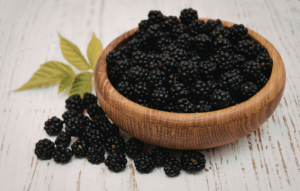
What Makes Blackberries Safe for Dogs?
Short answer? Blackberries are actually really healthy.
They’re full of antioxidants, which can fight free radicals in the body. They’ve got vitamins C and K, fiber, and manganese — all things that can benefit your dog’s diet.
Specifically, the fiber can help promote healthy digestion (though your dog should be getting the majority of that from their normal kibble or food). Vitamin C is good for immune health and can help ward off illness. Again, your dog will produce this on their own, but you can never get too much of a good thing, right?
Berries are also fairly low in calories — just something to keep in mind if your dog is on a diet or you’re watching their weight.
Can Dogs Eat Blackberries? Things To Watch Out For
Like with any dog treat, there are a few precautions you’ll want to take before feeding your dog blackberries.
1. Sugar Content
This goes for any fruit — while they are natural sugars, fruits are still high in sugar. Blackberries are on the lower end compared to something like grapes or mango, but they can still add up if your dog is eating a lot of them.
Sugar can cause obesity and dental problems in dogs, just like it does in humans. Also, as with any treat high in sugar, avoid giving blackberries to your dog if they are diabetic or have any condition affecting blood sugar.

2. Xylitol
Just a quick one to address — xylitol is poisonous to dogs. As in, it can kill them if they eat a significant amount. However, blackberries do not contain xylitol. This is typically only found in artificially sweetened products.
That being said, if you plan to give your dog any blackberry-flavored yogurts, jams, snacks, and so on, double-check the ingredients before allowing your dog to indulge. Many store-bought products contain xylitol as a sweetener.
3. Pesticides
If you purchase blackberries from the store, there’s a very good chance they will have been sprayed with some form of pesticide. Make sure to wash your blackberries thoroughly under cool water before serving them to your pup — or yourself, for that matter.
As always, go with organic produce when possible.
4. Loose Stools and Diarrhea
While blackberries are healthy, they can still cause an upset stomach if given too quickly or in too large a quantity at once. Just like with humans, too much fiber can cause loose stools or even diarrhea in dogs.
Start with one or two berries the first time you give them to your dog. Then, if they handle it well, you can offer a few more the next time.
5. Size of Dog
If your dog is on the smaller side — we’re talking tiny dogs and puppies — they may have a hard time chewing, or even choke on, whole blackberries.
They’re not the biggest fruit, but if your dog tends to gulp down their food whole, consider cutting the berries in half before serving. Larger dogs will have no problem eating them whole.
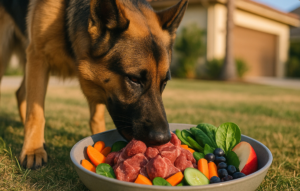
How Many Blackberries Can Dogs Eat?
The big question every dog parent wants answered. Honestly, this will depend on the size of your dog — and by how many blackberries your dog can eat, I mean how many they should eat.
As with any treat, you don’t want to overdo it. Treats should only make up about 10% of your dog’s total daily calories. With that in mind, here’s a rough guideline:
Small Dogs (less than 20 lbs): 2 to 3 berries is plenty
Medium Dogs (20 to 50 lbs): A small handful, about 4 to 6 berries
Large Dogs (more than 50 lbs): A larger handful, around 8 to 10 berries
Please note that these are guidelines only. Even with larger dogs, you shouldn’t be offering more than a handful of berries at a time. Think of treats as exactly that — treats.
They’re not a replacement for your dog’s normal food. Keeping treat portions small ensures your dog will still be excited about their meals at mealtime.
Feeding Your Dog Blackberries
At this point, you know that yes, dogs can have blackberries. But here are a few helpful tips on how to actually do it.
Frozen vs. Fresh
Don’t worry about sticking to fresh berries only. Frozen blackberries work just fine and can be a nice, cooling treat for dogs during the summer months.
If you use frozen blackberries, make sure they’re plain-frozen with no sugar or syrups added.
No Flavored Products
Avoid feeding your dog blackberry-flavored snacks or products. Dogs do not need extra sugar in their diets. Products like blackberry yogurt, jams, juices, and desserts are likely high in sugar.
You may also unknowingly be introducing other harmful ingredients to your dog’s diet by offering flavored products. Stick to plain berries.
Mix Into Food
If your dog couldn’t care less about berries — not many will feel that way, but it happens — or you just want to get creative with their nutritional intake, try mixing a few crushed berries into their normal food.
They’ll add flavor and blend right in with most dog kibbles.
Allergic Reactions
Like some humans, dogs can be allergic to certain foods. The first time you offer your dog blackberries, keep an eye on them for up to an hour afterward.
Signs of an allergic reaction include itching, facial swelling, vomiting, and difficulty breathing. If you notice any of these symptoms, stop feeding the berries immediately and contact your vet.

Wild Blackberries
Wild blackberries should be fine for your dog to eat. The main concern with wild blackberries is really what might be on them — pesticides from nearby farms, animal droppings, and so on.
If your dog is bold and snags a few berries off a wild bush during a hike, they’ll likely be just fine. I wouldn’t let them make a habit of running off with your hiking snacks, though.
Please note that not all berries are created equal. Many berries are toxic to dogs, so make sure you know exactly what fruit you’re dealing with before assuming your dog has eaten something safe.
Other Dog-Safe Berries
Blueberries, strawberries, and raspberries are all safe for dogs in moderation. Blueberries are often considered the best option when it comes to feeding your dog fruit — they’re low in calories, high in antioxidants, and most dogs go crazy for them.
Strawberries have more sugar than blackberries but are still perfectly fine to give your dog as an occasional treat. Raspberries contain trace amounts of naturally occurring xylitol but are still considered safe for dogs when given in small quantities.
As you can see, there are plenty of berries dogs can enjoy. Sadly, that’s not the case for all fruits.
Make sure to avoid grapes, raisins, tomato plants, and cherries. All of these can be harmful to dogs and should be avoided at all costs.
When in Doubt, Consult Your Vet
Your dog may be as healthy as can be, but that doesn’t mean you shouldn’t be mindful about what they eat. If you have any hesitation about introducing new foods to your dog’s diet, please contact your veterinarian.
This is especially important if your dog:
Has diabetes or any other metabolic disorder
Follows a prescription diet for kidney or liver function, or for digestive issues
Has had previous issues with food allergies or sensitivities
Is unusually young, old, or has a suppressed immune system
Your vet knows your dog better than anyone and can provide the best guidance for your dog’s specific needs. A quick phone call to the clinic takes all of two minutes — please make it if you have any doubt or concerns.
Frequently Asked Questions
Can puppies eat blackberries?
Yes, puppies can eat blackberries, but you should be extra careful with them. Their digestive systems are still developing, which makes them more sensitive to new foods. Start with just one small berry and watch for any signs of an upset stomach. Also, because puppies are small and tend to gulp food down, always cut the berries in half first to reduce the risk of choking.
Can dogs eat blackberry jam or blackberry yogurt?
No — it’s best to avoid these. Blackberry jam and most flavored yogurts are loaded with added sugar, which isn’t good for dogs. They may also contain xylitol, an artificial sweetener that is highly toxic to dogs. Always stick to plain, fresh, or frozen blackberries when treating your pup.
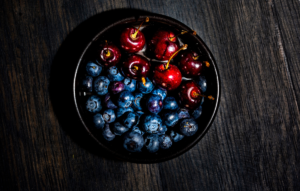
What should I do if my dog ate a lot of blackberries at once?
If your dog got into a large amount of blackberries, don’t panic right away. Blackberries are not toxic to dogs, so a one-time overindulgence is unlikely to cause serious harm. However, you can expect some digestive upset — loose stools or diarrhea are the most common symptoms. Make sure your dog has access to fresh water, and monitor them closely over the next several hours. If vomiting or other concerning symptoms develop, contact your vet.
Are blackberry leaves or stems safe for dogs?
There isn’t a lot of research on blackberry leaves and stems specifically, but it’s best to avoid letting your dog chew on them. The thorny stems of wild blackberry bushes can cause mouth injuries and are not worth the risk. When feeding your dog blackberries, always remove the berries cleanly from any stem before offering them.
Can dogs eat dried blackberries?
Dried blackberries are not recommended. The drying process concentrates the natural sugars significantly, meaning your dog would get a much higher sugar load from dried berries than from the same number of fresh ones. The chewy texture can also pose a problem for smaller dogs. Fresh or frozen is always the better choice.
How often can I give my dog blackberries?
Blackberries can be offered as an occasional treat a few times a week, not every single day. Rotating treats keeps your dog’s diet varied and helps prevent over-reliance on any one food source. Think of them as a nice little bonus, not an everyday snack.
Conclusion
Yes — dogs can have blackberries! In fact, they’re pretty good for them too.
As long as you know the limits and feed your dog blackberries responsibly, they can be a great, nutritious treat for your pup. Just wash them off, feed in moderation, and see how your dog responds. If they don’t experience any negative effects, go right ahead and share those berries!
Save pin for later


- Dog Nutrition Guide for Better Health and Energy - May 23, 2026
- How to Keep Your Cat Healthy and Active at Home - May 17, 2026
- Dog Health Tips for Indoor and Apartment Living - May 17, 2026