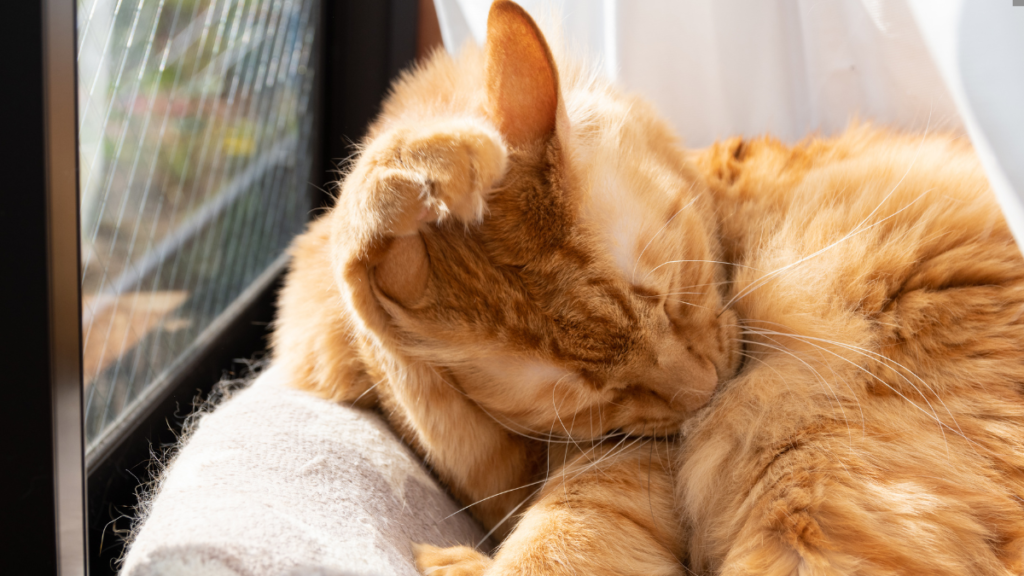
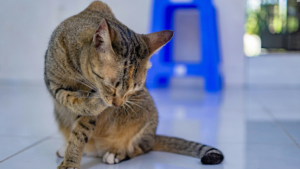
All cat parents love watching their cats groom themselves. After all, observing a cat lick, nibble, and clean itself can be mesmerizing. But when cats begin to overgroom, it’s time to sit up and pay attention.
Why Cats Overgroom & How to Help quickly becomes a mission for pet parents who want to do everything in their power to keep their kitty safe and comfortable. Left unchecked, overgrooming can harm your cat’s physical health and emotional well-being. Over time, excessive licking, nibbling, and biting at the fur can lead to hair loss, damaged skin, and chronic irritation.
The good news is that you can often stop or significantly improve overgrooming behavior with the right insight and plan of action.
What Is Overgrooming in Cats?
For cats, grooming is typically a very healthy habit. From licking off moisture to keeping clean, most cats spend 30 to 50 percent of their waking hours grooming themselves.
When cats overgroom, the behavior is sometimes referred to as excessive grooming or psychogenic alopecia. This compulsive behavior occurs when cats lick, nibble, chew, or bite their fur so often that they cause visible issues such as:
-
Thinning fur or bald spots
-
Broken or uneven hairs
-
Red, irritated, or scabbed skin
-
Increased hairballs
Normal grooming usually occurs across the cat’s entire body. Overgrooming, however, is often concentrated in specific areas. Commonly affected spots include the belly, inner thighs, legs, and the base of the tail.
Common Signs Your Cat Is Overgrooming
Spotting overgrooming can be tricky, especially if you have a long-haired cat that naturally grooms more often than short-haired breeds. However, you may have a problem if you notice the following signs:
1. Hair Loss or Bald Spots
Hair loss from overgrooming often appears in a symmetrical pattern. You may notice bald spots on your cat’s belly or back legs, even if the underlying skin looks healthy or only slightly irritated.
2. Red Skin or Irritation
Skin that has been repeatedly licked, rubbed, or chewed can become inflamed. Your cat’s skin may look red, raw, scabbed, or develop sores or hot spots.
3. Excessive Licking or Chewing Behaviors
If your cat appears to be grooming constantly or fixates on one area for extended periods, it’s important to take notice.
4. Changes in Mood or Behavior
Stress and pain often contribute to overgrooming. If your cat suddenly becomes withdrawn, irritable, or anxious, these changes may be linked to excessive grooming.
Why Do Cats Overgroom?
There isn’t always a straightforward answer to why cats overgroom. Often, multiple factors influence the compulsion to groom excessively. To fully understand Why Cats Overgroom & How to Help, it’s important to become familiar with all possible causes.
Physical causes such as allergies and skin irritation are often easier to identify. However, focusing only on medical issues may cause you to overlook emotional or behavioral triggers. Below are the most common reasons cats may overgroom.
1. Allergies
Allergies are one of the most common medical causes of overgrooming. Cats can be allergic to many substances, including:
-
Fleas or flea saliva
-
Food (often specific protein sources like beef or chicken)
-
Pollen
-
Mold
-
Dust mites
If your cat is allergic to fleas, even a single bite can cause intense itching. Many cats are especially sensitive to flea saliva.
2. Parasites
Fleas, mites, and ticks can cause severe itching that leads to overgrooming. Fleas are the most common parasite responsible, but mites—such as those that cause mange—can also irritate the skin.
No matter how vigilant you are, it only takes one parasite to make your cat miserable. That’s why year-round prevention is so important. Speak with your veterinarian about the best flea prevention options for your cat.
3. Skin Infections
Skin infections can also cause irritation that leads to repeated licking. Ringworm is a common example and often causes circular bald patches.
Despite its name, ringworm is not caused by a worm—it is a fungal infection.
4. Pain or Discomfort
Cats are incredibly skilled at hiding pain. When discomfort is present, some cats will overgroom the area that hurts.
Pain may stem from internal conditions such as arthritis, bladder inflammation, or inflammatory bowel disease.
5. Stress and Anxiety
Some cats overgroom as a response to stress or anxiety. Common stressors include:
-
Moving to a new home
-
Introducing a new pet or child
-
Changes in routine
-
Lack of mental stimulation
-
Conflict with other pets
When stressed, grooming releases endorphins that temporarily make cats feel better. Unfortunately, this can create a cycle of compulsive grooming.
6. Boredom
Finally, some cats overgroom simply because they are bored. Cats need regular mental and physical stimulation to thrive.
Daily play sessions and enrichment are essential for preventing boredom-related overgrooming.
Can Cats Die From Overgrooming?
Overgrooming isn’t just harmful to your cat’s coat—it can also lead to serious health issues, including:
-
Open wounds and skin infections
-
Chronic inflammation
-
Secondary infections
-
Ongoing stress and anxiety
While overgrooming itself is unlikely to be fatal, it can significantly impact your cat’s comfort and quality of life. If you suspect your cat is overgrooming, don’t wait for the issue to worsen.
How to Help a Cat That Overgrooms
Now that you understand why cats overgroom, how can you help stop it? Every cat is different, so managing overgrooming requires patience and observation.
There is no one-size-fits-all solution, but the steps below can help guide you toward improvement.
1. Visit Your Veterinarian First
If you suspect a behavioral cause, you may feel tempted to skip this step—but it’s important to rule out medical issues first. Your veterinarian can:
-
Check for fleas, mites, or skin infections
-
Test for allergies or internal illnesses
-
Prescribe appropriate medications or treatments
Behavioral interventions are rarely effective if an underlying medical issue is present.
2. Address Allergies and Parasites
If allergies are involved, your veterinarian may recommend:
-
A prescription or limited-ingredient diet
-
Year-round flea prevention
-
Anti-itch or anti-inflammatory medications
Even if you don’t see fleas, never skip preventative treatments. Prevention is the most effective way to protect your cat.
3. Reduce Stress Triggers
Minimize stress wherever possible by:
-
Maintaining a consistent feeding and play schedule
-
Providing hiding spots and window perches
-
Introducing new pets or people slowly
-
Limiting loud noises and sudden changes
You may also consider calming aids, such as pheromone diffusers, to help your cat feel more secure.
4. Provide Mental and Physical Enrichment
Boredom is an often-overlooked cause of overgrooming. Daily interactive play can make a big difference. Helpful enrichment ideas include:
-
Wand toys
-
Food puzzles
-
Rotating toys
Just 10–15 minutes of focused play two to three times per day can greatly reduce boredom.
5. Manage Compulsive Behavior
If overgrooming has become habitual, try to:
-
Gently redirect your cat with play when excessive grooming starts
-
Reward calm, relaxed behavior
-
Ensure plenty of enrichment to minimize stress
In some cases, your veterinarian may recommend behavior modification plans or anti-anxiety medications.
6. Be Patient and Give It Time
Improvement doesn’t happen overnight. Medical causes may resolve quickly, but stress-related or compulsive grooming can take weeks to improve.
Never punish or scold your cat for overgrooming. This only increases stress and can worsen the problem.
What Not to Do
Avoid these common mistakes:
-
Ignoring the problem
-
Using human medications or creams
-
Trying to physically stop your cat from grooming
These approaches often make the situation worse.
Managing Overgrooming Long-Term
Once overgrooming is under control, prevention becomes the focus. Keep up with regular veterinary visits, maintain a low-stress environment, and provide ongoing enrichment.
Watch for early warning signs of returning behavior—the sooner you act, the better the outcome.
Conclusion
While concerning, overgrooming is often your cat’s way of signaling that something isn’t right. By understanding Why Cats Overgroom & How to Help, you can take proactive steps to restore your cat’s comfort and confidence.
Your cat relies on you to notice when something is wrong. With patience, awareness, and the right care, you can help your cat leave excessive grooming behind and enjoy a happier, healthier life.
Save pin for later


- Dog Nutrition Guide for Better Health and Energy - May 23, 2026
- How to Keep Your Cat Healthy and Active at Home - May 17, 2026
- Dog Health Tips for Indoor and Apartment Living - May 17, 2026