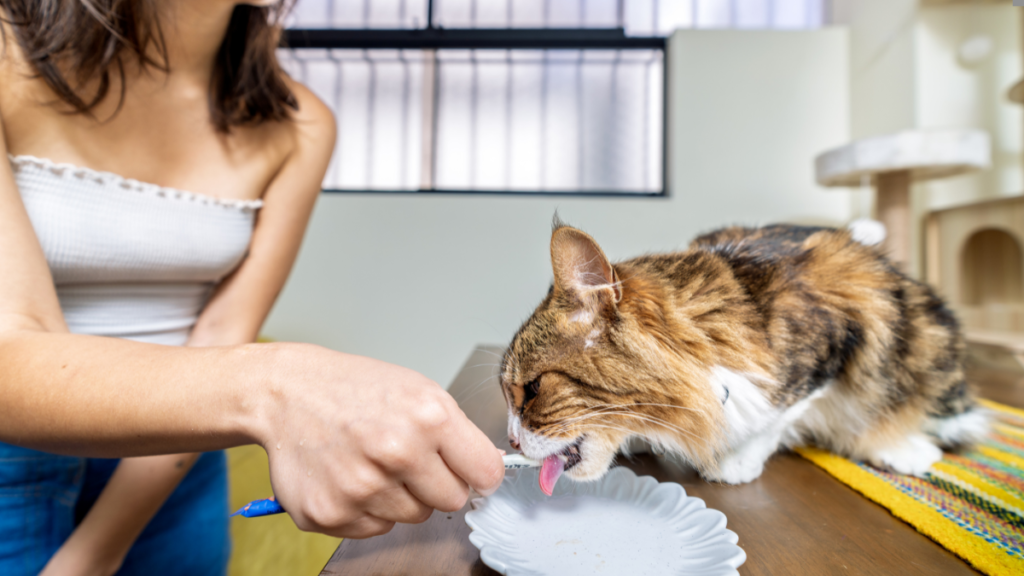
It happens to the best of us. You lean over to give your cat a hug and scratch their favorite spot, only to be glared at, swatted, scratched, pushed away, or bitten. Of course, you wonder why cats refuse affection all of a sudden and begin to question your cat’s true feelings toward you.
While some cats definitely have strong attitudes, they are generally not aloof creatures that don’t care about their human parents. Cats are complex beings shaped by biology, natural personality, personal history, and communication methods that differ greatly from our own. To truly understand your cat, you must think about why they do (or don’t do) things from a cat’s perspective—not a human’s.
Your Cat Is Not a Small Dog (And That Makes All the Difference)
This is one of the most common mistakes people make when trying to understand cat behavior. Just because you have a furry mammal with four legs doesn’t mean they should love everything you love. Dogs are pack animals by nature—their ancestors survived by working together. Cats, on the other hand, descended from solitary hunters.
Dogs naturally enjoy constant companionship and physical touch. Cats are more independent creatures who value their personal space. While cats do enjoy affection, they express it very differently than people and dogs do.
When you invade your cat’s space in a dog-like manner, you may overwhelm them without realizing it.
Cat vs. Dog Affection
If you’ve ever tried to force affection onto a cat, you’ll understand why many of them pull away. To understand this better, we need to talk about what affection actually means to cats.
Affection can mean many things to humans—hugging, kissing, holding, and petting. While cats may tolerate some of these behaviors, they are not how cats naturally express love. Cats have their own subtle ways of showing affection.
Common ways cats show love include:
-
Sitting near you (not necessarily on you)
-
Slow blinking
-
Rubbing against you
-
Following you from room to room
-
Sleeping next to you or on your belongings
Just because your cat refuses physical affection doesn’t mean they don’t love you. It simply means they express it in less obvious ways.
Overstimulation
Have you ever noticed that most cats don’t enjoy being pet for long periods? Even the most affectionate cats usually have a limit. When that limit is reached, they will make it known.
Signs your cat is overstimulated include:
-
Tail thumping or flicking
-
Ears turning sideways or flattening
-
Body stiffening
-
Dilated pupils
-
Growling or swatting
What feels relaxing to you may be overwhelming to your cat’s sensitive nervous system. Often, when a cat refuses affection, it’s because they’ve simply had enough.
Certain Areas Are Off-Limits
Not all cats enjoy being touched everywhere. Most cats prefer affection around the head, cheeks, and chin. Other areas—such as the belly, tail, paws, and hindquarters—can feel uncomfortable or threatening.
Just because your cat rolls onto their back doesn’t mean they’re inviting a belly rub. This position can indicate vulnerability rather than trust. Misinterpreting this signal can quickly turn a calm moment into a negative experience.
Every cat is different, so it’s important to learn which areas your cat enjoys and which they prefer you avoid.
Past Trauma Can Affect Affection
If your cat wasn’t properly socialized as a kitten or experienced trauma—such as abuse, neglect, or rough handling—they may be wary of human affection.
Rescue cats, in particular, often need extra time to warm up. They may refuse affection because they associate touch with fear or pain.
With patience, consistency, and gentle interactions, many traumatized cats can learn to feel safe and enjoy affection again.
Stress and Environmental Changes Affect Mood
Cats are extremely sensitive to changes in their environment. Even small disruptions can cause stress or anxiety.
Common stressors include:
-
Moving to a new home
-
New pets or people
-
Loud noises such as thunderstorms or construction
-
Changes in routine
-
Furniture replacement or rearrangement
A stressed or anxious cat may retreat and become less tolerant of affection. If your cat pulls away during times of change, give them space and time to adjust.
Your Cat Might Be Sick or Hurt
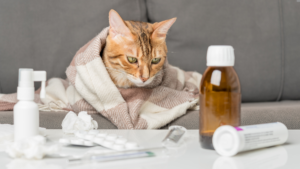
Sometimes cats refuse affection because they don’t feel well. Cats are experts at hiding pain, especially as they age.
If your normally affectionate cat suddenly avoids being touched, hisses, or seems irritable, something may be wrong. It could be a mild issue like an allergy—or something more serious such as arthritis or illness.
If you notice sudden behavioral changes, a visit to your veterinarian is always a good idea.
Don’t Force Affection on Your Cat
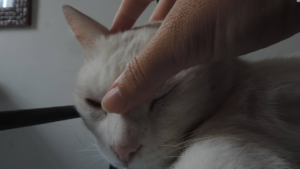
Humans love petting cats—it feels comforting, and cats often enjoy it at first. Problems arise when affection is forced.
Picking your cat up, touching them while they’re eating, or restraining them to pet may feel loving to you, but to a cat, these actions can feel threatening.
Allow your cat to initiate affection. When they do, keep interactions gentle and let them walk away whenever they choose.
Know Your Cat’s Personality
Cats have distinct personalities, just like people. While stereotypes paint cats as aloof or lazy, every cat is unique.
If your cat isn’t particularly affectionate, it doesn’t mean something is wrong. Some cats are naturally introverted and show love quietly.
Accepting your cat’s personality helps create a healthier, more trusting relationship.
Your Cat Is Communicating—You Just Need to Listen
Cats communicate primarily through body language. Often, we mistake tolerance for enjoyment.
Signs your cat wants affection:
-
Relaxed body posture
-
Slow blinking
-
Upright tail with a gentle curve
-
Leaning into your hand
Signs your cat wants space:
-
Avoiding eye contact
-
Crouching with tense muscles
-
Tail lashing or thumping
-
Ears pinned back or rotated
Learning these signals helps prevent unwanted interactions.
Your Cat Isn’t Rejecting You—They’re Setting Boundaries
It can be hard to accept, but learning why cats refuse affection is essential. Your cat isn’t rejecting you—they’re communicating their limits.
When you respect those boundaries, your cat is more likely to trust you and seek affection on their own terms.
Building a Healthier Relationship Without Forcing Affection
To strengthen your bond with your cat, try these approaches:
Let Your Cat Come to You
Sit nearby and allow your cat to initiate contact.
Keep Interactions Short
Short, gentle petting sessions are better than long ones.
Play Together
Interactive play mimics hunting behavior and builds connection.
Let Them Walk Away
If your cat leaves, don’t chase or pick them up.
Create Positive Associations
Offer treats, soft conversation, or slow blinks during calm moments.
Age Plays a Role
Kittens are energetic and often less cuddly. Adult cats tend to become more affectionate as they mature. Senior cats may become less tolerant due to joint pain or sensitivity.
Affection often changes with age, and that’s completely normal.
Do Cats Really Love Us?
A common myth is that cats don’t love their owners. This isn’t true. Cats form strong emotional bonds—they just express love differently.
Sitting near you, trusting you enough to nap nearby, or greeting you at the door are all signs of deep affection.
Cats Show Love on Their Own Terms
Understanding why cats refuse affection ultimately comes down to empathy. Cats aren’t trying to hurt your feelings—they’re responding to instincts and emotions.
When you meet your cat where they are and respect their boundaries, affection often follows naturally.
Final Thoughts
Cats are intelligent, emotional creatures. Their refusal of affection is rarely personal—it’s usually about communication.
By respecting your cat’s preferences and learning their signals, you’ll build trust and enjoy a deeper, lifelong bond.
Save pin for later

- Dog Nutrition Guide for Better Health and Energy - May 23, 2026
- How to Keep Your Cat Healthy and Active at Home - May 17, 2026
- Dog Health Tips for Indoor and Apartment Living - May 17, 2026