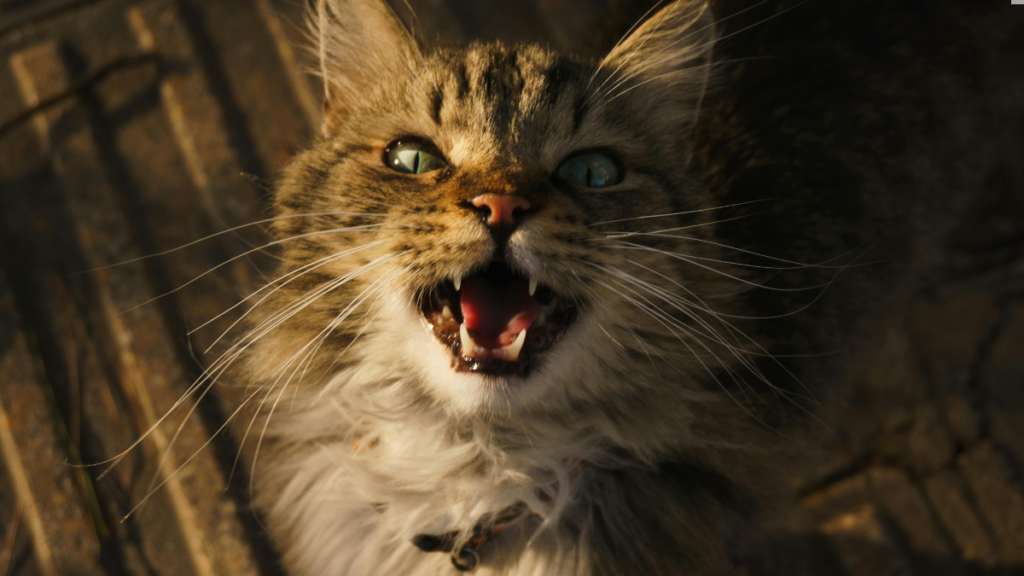
Does your cat suddenly seem like a very noisy kitty one day? Or is your usually talkative cat suddenly screeching non-stop? Figuring out Why Cats Meow Excessively can be confusing, frustrating, or even worrying.
Luckily, meowing is one of the primary ways cats communicate with humans. Decoding the reasons behind their behavior can help you address the root of the problem and improve your cat’s quality of life.
Why Do Cats Meow?
Cats typically only meow to communicate with humans. Over time, cat-human communication has evolved so that humans respond to feline vocalizations, providing food, comfort, or attention. Cats rarely meow at other cats; they rely on body language, scent, and quieter noises to communicate with their own species.
Essentially, your cat meows at you because they know you’ll listen.
Vocal cats aren’t necessarily in distress. Every cat is different, and some are naturally more talkative than others. But if your cat is suddenly meowing more than usual, they are likely trying to communicate an issue or demand.
Reasons Why Cats Meow Excessively
Here are some of the most common reasons cats may start meowing more than usual:
Your Cat is Hungry or Thirsty
If your cat meows loudly near their food bowl or the kitchen, they’re probably hungry. Most cats learn quickly that crying near their food bowl often gets results.
Even if you’ve already fed them, your cat may be asking for an extra snack. Try offering a small treat or a toy instead.
Not getting enough food can also lead to excessive meowing. Make sure you’re feeding your cat the correct amount by following the recommended guidelines on their food packaging—or consult your veterinarian.
What you can do:
-
Feed your cat consistently every day
-
Measure your cat’s food to avoid over- or underfeeding
-
Try a puzzle feeder to slow down eating and provide mental stimulation

Your Cat Craves Attention
Cats often meow to get love and attention. They might want petting, playtime, or simply your presence.
Cats left alone for long periods or who don’t receive enough attention during the day may meow more. Rewarding meowing behavior with attention can quickly turn it into a learned habit.
What you can do:
-
Schedule daily interactive play sessions
-
Avoid always responding to attention-seeking meows
-
Reward quiet or calm behavior instead
Boredom
Boredom is especially common for indoor cats. Cats without enough mental stimulation and physical activity may meow excessively.
Signs of boredom include:
-
Excessive vocalization
-
Destructive behavior
-
Restlessness or pacing
Ways to help:
-
Install a window perch for birdwatching
-
Rotate toys to keep your cat engaged
-
Provide climbing trees and scratching posts

Stress, Anxiety, or Changes in Environment
Cats are creatures of habit and prefer consistent routines. Moves, new furniture, new pets, new people, or even minor routine changes can stress your cat.
Your cat may cope with these changes by meowing more.
Ways to help:
-
Keep daily routines as consistent as possible
-
Provide quiet hiding spots
-
Consider a calming pheromone diffuser (like Feliway)
Medical Issues and Pain
Excessive meowing can sometimes indicate underlying health problems, especially in older cats.
Medical issues that can cause excessive meowing include:
-
Hyperthyroidism
-
Urinary tract infections
-
Dental issues
-
Arthritis
-
Digestive upset
If your cat suddenly starts meowing more or seems distressed, always rule out illness first.
What you can do:
-
Consult your veterinarian promptly
Older Cats
Senior cats may develop feline cognitive dysfunction, similar to dementia in humans. Symptoms include confusion and anxiety, which can lead to more meowing, especially at night.
Ways to help:
-
Leave night lights on to help your cat navigate the house
-
Avoid major furniture rearrangements
-
Provide plenty of reassurance
Your Cat Needs You for Mating
Unspayed or unneutered cats often meow excessively when looking for a mate.
-
Female cats in heat may cry loudly
-
Male cats may meow when a female is nearby
Solution:
Spaying or neutering your cat reduces excessive meowing and offers long-term health and behavioral benefits.
Certain Breeds Are More Vocal
Some cat breeds are naturally talkative. Siamese, Oriental Shorthairs, and Bengals are well-known for their vocal tendencies.
Even vocal breeds can become excessively noisy if their needs aren’t met.
Why Does My Cat Meow All Night? (+How to Prevent It!)
Nighttime meowing is common. Cats may meow at night due to hunger, boredom, stress, or medical reasons. Cats are crepuscular, meaning they are naturally more active at dawn and dusk, which can conflict with human sleep schedules.
Tips to reduce nighttime meowing:
-
Play vigorously with your cat before bed
-
Feed a small meal in the evening
-
Avoid responding to nighttime meowing—this teaches your cat that quiet behavior is rewarded
Why Do Cats Meow Differently Than Dogs?
Dogs tend to bark due to excitement, alertness, or guarding instincts. Cats mainly meow to communicate with humans. While dogs are more socially expressive, cats use vocalization strategically.
This doesn’t mean cats love you any less—they just communicate differently.

What You Should NOT Do When Your Cat Meows
-
Yell at or punish your cat: This increases stress and worsens the behavior
-
Ignore potential medical issues: Sudden meowing could indicate pain or illness
-
Reward meowing: Constantly responding reinforces the behavior
Training Your Cat to Meow Less
Excessive meowing can often be reduced with patience and consistent training.
Tips:
-
Learn to ignore non-essential meows
-
Reward quiet behavior with treats or affection
-
Maintain a consistent daily routine
-
Provide plenty of mental and physical enrichment
With consistent effort, you should notice a decrease in meowing within a few weeks.
When to Consult a Vet or Behaviorist
Consult a veterinarian if:
-
Meowing starts suddenly
-
Your cat seems distressed or in pain
-
Behavioral adjustments don’t work
A cat behaviorist can help if excessive meowing isn’t related to illness or environmental changes.
Closing Thoughts
Cats don’t meow randomly—they are trying to communicate a need, feeling, or problem. Observe when and why your cat meows to identify triggers.
Sudden increases in meowing could signal illness, so rule that out first. By understanding your cat and responding thoughtfully, you can strengthen your bond and restore peace to your home. Remember to consider Why Cats Meow Differently Than Dogs when guiding your cat toward quieter behavior.
Save pin for later

- Dog Nutrition Guide for Better Health and Energy - May 23, 2026
- How to Keep Your Cat Healthy and Active at Home - May 17, 2026
- Dog Health Tips for Indoor and Apartment Living - May 17, 2026