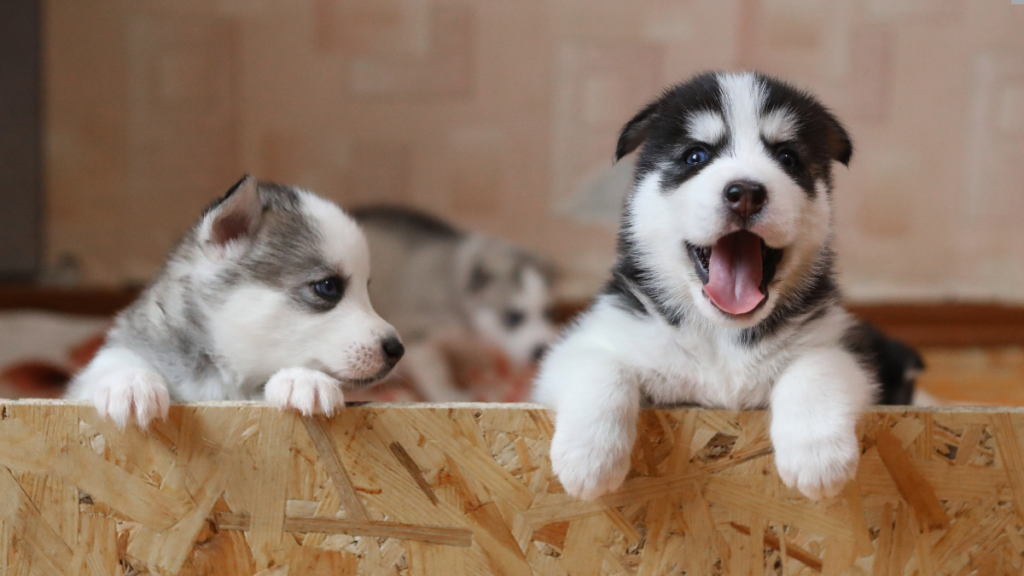
New puppies are like little tornadoes of joy, curiosity, and energy! They love to explore every nook and cranny of your house with their noses to the ground. But all that sniffing and climbing can quickly lead to chewed-up furniture, carpets full of muddy paw prints, and general stress for new puppy parents.
The solution? Creating a fun, safe, and stimulating DIY Puppy Play Area. It gives your furry friend their own space to romp, play, and relax without ruining your home or getting into unsafe situations.
Why You Need a Puppy Play Area
It’s tempting to leave your curious new puppy free-range in your house until they’re fully trained and housebroken. But puppies are instinctively messy and destructive. They need structure and boundaries just as much as they need freedom to play and explore. The ideal solution is to set up a dedicated puppy play area where they have access to plenty of toys, entertainment, and space to expend energy while staying contained and safe.
The Benefits of a Puppy Play Area Include:
Safety from Household Hazards
Puppies may have little paws, but they love to chew on everything. A play area keeps them from getting into trouble with electrical cords, plants, stairs, or fragile items. As they grow, you also avoid the need to puppy-proof your entire house from curious noses and mouths.
Training Assistance
Play areas give your pup their own “little den” for toilet training, crate training, and learning boundaries. Puppies learn quickly when you’re consistent about where they sleep, play, eat, and go to the bathroom.
Mental and Physical Stimulation
A good puppy play area isn’t just an empty pen. It should include toys, mental puzzles, and enough room for a pup to run around and play. Puppies need plenty of stimulation to develop their brains and prevent destructive behaviors.
Peace of Mind for Owners
A play area is a godsend for parents who need to work, run errands, or simply relax without a puppy attached to their ankles. It allows you to step away while still supervising your pup safely.
Choosing a Play Area Location
The first step in any puppy play area project is deciding whether it should be indoors, outdoors, or both. Your pup’s age, size, and energy level may also influence the best space for their activities.
Play Area Locations by Type:
Indoor Puppy Play Areas:
-
Ideal for young puppies who aren’t fully vaccinated yet
-
Easier to supervise
-
Protected from the elements
Outdoor Puppy Play Areas:
-
Great for high-energy breeds
-
Encourage natural behaviors like running and sniffing
-
Require sturdy fencing, weatherproof toys, and access to water
Puppy Play Area Location Ideas:
Best Indoor Locations:
-
Living room corner
-
Spare bedroom
-
Laundry room
-
Kitchen area with washable floors
Best Outdoor Locations:
-
Backyard patio
-
Grass lawn section
-
Deck or terrace
-
Shaded side yard
Planning Your Puppy Play Area
The best DIY projects are those planned carefully before purchasing supplies or starting construction. Consider the size, layout, and requirements of the space. Will your play area be indoors, outdoors, or both? How much space will your puppy need? What materials will work best?
Size of Puppy Play Area by Breed:
-
Small Breeds: 4×4 to 6×6 feet
-
Medium Breeds: 6×6 to 8×8 feet
-
Large Breeds: 8×8 feet or larger
Also, ensure there’s room for:
-
A bed or mat
-
A water bowl
-
Toys
-
Space to move around freely
Factor in your puppy’s age—they grow quickly! Modular or adjustable fences, dividers, and flooring make it easier to expand the area as your pup gets bigger.
What Materials Can I Use?
Building a puppy play area yourself gives you the freedom to repurpose household items or buy budget-friendly materials.
Puppy Play Area Boundary Materials:
-
Baby gates
-
Exercise pens (metal or plastic)
-
Wooden pallets (smooth and sanded down)
-
PVC pipe frames with mesh wire
-
Pet playpens designed specifically for puppies
Flooring Materials:
-
Foam puzzle mats
-
Rubber mats
-
Vinyl flooring
-
Washable rugs
-
Artificial grass turf (outdoor only)
Flooring should be:
-
Easy to clean
-
Non-slip
-
Soft on your puppy’s paws and joints
-
Comfortable
Toys and Other Must-Haves
-
Blankets or crate mats
-
Cooling mats (optional for warm climates or teething puppies)
Essential Toys for Enrichment:
Rotate toys regularly to avoid boredom. Include:
-
Chew toys
-
Puzzle feeders
-
Plush toys
-
Tug ropes
-
Ball toys
Always avoid toys with small parts that could break off and be swallowed.
Water Bowl
Fresh water should always be available in a spill-resistant bowl. For very young puppies, consider placing it slightly away from sleeping areas.
Optional Potty Area for Indoor Play Areas
Puppy pads, artificial grass pads, or litter-style puppy toilets can be useful—especially for apartment living, limited outdoor access, or nighttime potty breaks.
Step-by-Step DIY Puppy Play Area Instructions
Step 1: Clear and Clean the Space
Vacuum or sweep and disinfect the floor. Remove all visible hazards from the area.
Step 2: Lay Down Flooring
Protect surfaces and provide cushioning for your puppy’s joints. Ensure flooring is non-slip and easy to clean.
Step 3: Set Up Boundaries
Secure gates, pens, or dividers so there are no gaps or chewable edges.
Step 4: Add Comfort Zones
Place a bed or mat in a quiet corner for naps.
Step 5: Introduce Toys and Enrichment
Add a variety of toys without overcrowding. Hide smaller toys inside larger ones to encourage mental stimulation.
Step 6: Puppy-Proof the Area
Do a final safety check for small ingestible objects, cords, sharp edges, and loose hardware.
Making the Puppy Play Area Fun and Stimulating
A play area shouldn’t feel like a holding pen—it should be engaging and enjoyable.
Sensory Stimulation Ideas:
-
Different textures (soft mats, rubber toys)
-
Sounds (crinkle toys, gentle music)
-
Visual elements (bright toys, safe mirrors)
Training Ideas:
-
Practice basic commands with toy-based rewards
-
Establish calm-down and “alone time” routines
-
Schedule high-energy play sessions
-
Turn the area into a puzzle playground
Reinforcing positive behavior helps your puppy see the play area as their personal den—a place of comfort and security.
Safety Tips for Puppy Play Areas
Always prioritize safety. Avoid using:
-
Loose or small parts
-
Chewed-through plastic or wood
-
Broken toys
-
Thin, slippery mats
-
Rusty or unsafe metals
Even the best play areas don’t replace supervision, especially for young puppies. As your dog matures, you can gradually allow more freedom while maintaining safe zones.
Fun DIY Ideas for Budget-Conscious Pup Parents
Building a puppy play area doesn’t have to be expensive.
Budget-Friendly Ideas:
-
Cardboard boxes (supervised play only)
-
Old yoga mats
-
Secondhand baby gates
-
DIY toys from old T-shirts
-
Used exercise pens
-
Extra blankets for bedding
-
Storage bins for toy rotation
-
Curtains as visual dividers
Creating a Puppy Play Area for Growing Puppies
Your puppy’s play area should evolve as they grow. Signs it’s time to upgrade include:
-
Jumping over boundaries
-
Chewing through materials
-
Needing more room to stretch
-
Excess energy in confined spaces
Gradually introduce more free-range privileges and consider combining indoor and outdoor play areas.
Common DIY Puppy Play Area Mistakes
Avoid these common errors:
-
Making the area too small for your breed
-
Using toxic or unsafe materials
-
Leaving food out constantly
-
Failing to rotate toys
-
Using the play area as punishment
Outdoor vs. Indoor Puppy Play Areas: Which Is Better?
Indoor Play Areas Are Best If:
-
You live in an apartment or condo
-
Weather conditions are extreme
-
Your puppy is under four months old
Outdoor Play Areas Are Best If:
-
You have a secure, fenced yard
-
Your puppy is fully vaccinated
-
You want more physical exercise options
Many owners use a combination of both.
Maintaining the Puppy Play Area
Keeping the area clean prevents stress and illness.
Daily Tasks:
-
Pick up toys
-
Refill water
-
Spot-clean accidents
Weekly Tasks:
-
Wash bedding and mats
-
Disinfect flooring
-
Inspect fencing and toys for damage
Emotional Benefits of a Puppy Play Area
A play area supports emotional health by:
-
Building confidence
-
Reducing anxiety
-
Encouraging independence
-
Creating calming routines
Conclusion
A puppy play area is truly the gift that keeps on giving. The time and effort you invest will benefit both you and your puppy for years to come. It doesn’t need to be complicated or expensive—some of the best DIY puppy play areas use simple materials, are easy to clean, and adapt to your family’s needs. With these tips, you’re well on your way to creating a safe, happy, and entertaining puppy paradise. Have fun building your new best friend’s play area and enjoy the positive impact it brings to life with your pup!
Save pin for later

- Dog Nutrition Guide for Better Health and Energy - May 23, 2026
- How to Keep Your Cat Healthy and Active at Home - May 17, 2026
- Dog Health Tips for Indoor and Apartment Living - May 17, 2026