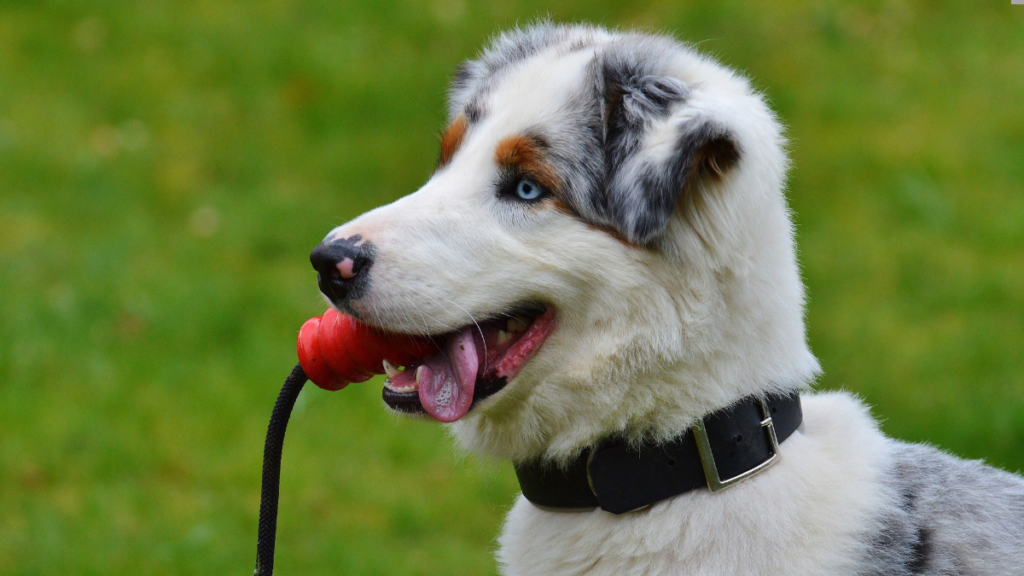
Making toys at home is not difficult, and in many cases, it can be really fun. This is why you can safely entertain your pet with homemade DIY Dog Toys Using Household Items without spending a lot of money. The toys presented in this article are completely free, or they are made from items that most people already have at home.
The options are universal, so every dog will enjoy them, regardless of size or breed. In addition, by taking part in making the toys, you will strengthen the bond with your dog, and they will see you as someone who truly cares for them.
The Benefits of DIY Dog Toys
Before we get into specific ideas on how to make toys for dogs at home, it is helpful to understand why homemade toys are preferred by many pet owners. Some of the key benefits include:
1. Cheap to Make
Buying toys for dogs can be expensive, especially when your pet destroys them quickly. Making DIY Dog Toys Using Household Items is much cheaper and allows you to replace toys easily when needed.
2. Eco-Friendly
Homemade toys are often made from old clothes, towels, plastic bottles, or cardboard. Making toys for dogs at home helps reduce waste and reuse common items that would otherwise end up in the trash.
3. Customizable Toys
Different dogs enjoy different types of toys, and it is not always easy to know what your dog will like just by looking at a store-bought product. Some dogs love aggressive chewing, others prefer gentler play, and some need extra mental stimulation. Making toys at home allows you to adjust the size, shape, difficulty level, and texture to suit your dog’s needs.
4. Physical and Mental Stimulation
Homemade dog toys are an excellent way to reduce boredom, anxiety, and destructive behavior by providing both physical exercise and mental engagement.
Safety Precautions When Using Homemade Dog Toys
Playing with homemade toys can be safe and beneficial if proper safety precautions are followed. Keep these guidelines in mind before giving a toy to your dog:
-
Always supervise your dog while they are playing with homemade toys.
-
Check for small parts that could be swallowed, such as buttons, beads, or loose strings.
-
Use only non-toxic materials and ensure there are no sharp edges.
-
Understand your dog’s chewing style and personality (heavy vs. gentle chewers).
-
Inspect toys regularly and replace them if they become damaged or unsafe.
The 7 Best Homemade Dog Toy Ideas
After reviewing the necessary safety information, you can move on to the best DIY Dog Toys Using Household Items. Below are seven ideas that most dogs will enjoy. Some are very simple to make, while others may require a bit more time and effort.
DIY Dog Toy #1: T-Shirt Rope Toy
Best for: Tug-of-war and chewing
Materials needed: Old T-shirts, scissors
Instructions:
Cut the old T-shirts into long strips.
Take three or more strips and tie a knot at one end.
Braid the strips as tightly as possible.
Tie a knot at the other end.
Notes:
You can make the braid thicker or thinner depending on your dog’s size. This toy is gentle on teeth and ideal for interactive play.
DIY Dog Toy #2: Plastic Bottle Crunch Toy
Best for: Dogs who enjoy noisy toys
Materials needed: Empty plastic bottle, old sock or fabric
Instructions:
Remove the bottle cap and label.
Place the bottle inside an old sock or wrap it with fabric.
Tie a knot at the open end to secure it.
Notes:
Make sure the fabric layer is secure and thick enough to prevent plastic edges from touching your dog’s mouth.
DIY Dog Toy #3: Sock and Tennis Ball Toy
Best for: Fetch and gentle tugging
Materials needed: Old sock, tennis ball
Instructions:
Place the tennis ball inside the sock.
Tie a knot close to the ball.
Leave extra sock material as a handle for tugging.
Notes:
This toy works well for both indoor and outdoor play.
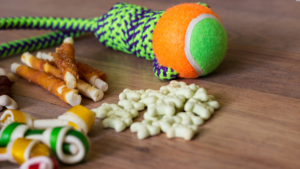
DIY Dog Toy #4: Frozen Treat Toy
Best for: Hot weather and teething puppies
Materials needed: Old ice cube tray or plastic container, dog-safe treats
Instructions:
Place small treats, kibble, or xylitol-free peanut butter into the container.
Fill with water or low-sodium broth.
Freeze until solid.
Notes:
Always supervise your dog while they are enjoying frozen toys to prevent choking.
DIY Dog Toy #5: Cardboard Box Puzzle
Best for: Mental stimulation
Materials needed: Cardboard boxes, paper, treats
Instructions:
Place treats inside small boxes or wrap them in paper.
Put the smaller boxes inside a larger cardboard box.
Hide them in different areas of the box.
Notes:
This is an excellent way to keep your dog mentally engaged and entertained.
DIY Dog Toy #6: Muffin Tin Brain Game
Best for: Slow feeders and intelligent dogs
Materials needed: Muffin tin, tennis balls, treats
Instructions:
Place treats in a few cups of the muffin tin.
Cover each cup with a tennis ball.
Notes:
This puzzle encourages dogs to slow down while eating and use problem-solving skills.
DIY Dog Toy #7: Towel Treat Roll
Best for: Nose work and enrichment
Materials needed: Old towel, treats
Instructions:
Lay the towel flat.
Sprinkle treats along the length of the towel.
Roll the towel tightly.
Tie a knot if needed to secure it.
Notes:
This toy is perfect for indoor games and enrichment activities.
The Benefits of Toy Rotation
Rotating toys regularly helps keep your dog interested and engaged. Even favorite toys can lose their appeal if they are available every day. To maintain excitement, hide some toys and switch them out every few days. Introduce one toy at a time and allow your dog to enjoy it fully before rotating again. Toy rotation also allows you to mix homemade toys with store-bought ones for a more varied play experience.
Types of Dog Personalities and Their Preferred Toys
Understanding your dog’s play style is the best way to choose suitable toys. Dog personalities vary, and while all dogs enjoy playtime, their preferences differ. This is especially important in multi-dog households. Dogs generally fall into these categories:
-
Chewers: Rope toys, frozen treats, and thick fabric toys
-
Fetch lovers: Sock-and-ball toys and lightweight rope toys
-
Problem solvers: Puzzle boxes and muffin tin games
-
Gentle players: Soft fabric toys and rolled towels
Cleaning and Maintenance of Homemade Dog Toys
Homemade dog toys should be cleaned regularly and inspected for safety. If a toy shows signs of heavy wear or damage, it should be discarded immediately. Most fabric toys can be machine washed, while plastic items should be cleaned with warm water and mild soap.
Always allow toys to dry completely before giving them back to your dog to prevent mold growth.
Why Do Dogs Love Homemade Dog Toys?
Dogs are not concerned with brand names or prices. What matters to them is texture, scent, functionality, and interaction. Toys made from household items often carry your scent, making them even more appealing. Playing with your dog using homemade toys strengthens your bond and shows them care and attention—something dogs value deeply.
Final Words
Making DIY Dog Toys Using Household Items is not only rewarding but also an excellent way to spend quality time with your furry friend. You can save money, reduce waste, and maintain full control over materials and design. From simple rope toys to more complex puzzle games, the possibilities are endless.
With a little creativity and everyday household items, you can keep your dog happy, mentally stimulated, physically active, and surrounded by love—making DIY dog toys a truly worthwhile effort.
Save pin for later

- Dog Nutrition Guide for Better Health and Energy - May 23, 2026
- How to Keep Your Cat Healthy and Active at Home - May 17, 2026
- Dog Health Tips for Indoor and Apartment Living - May 17, 2026