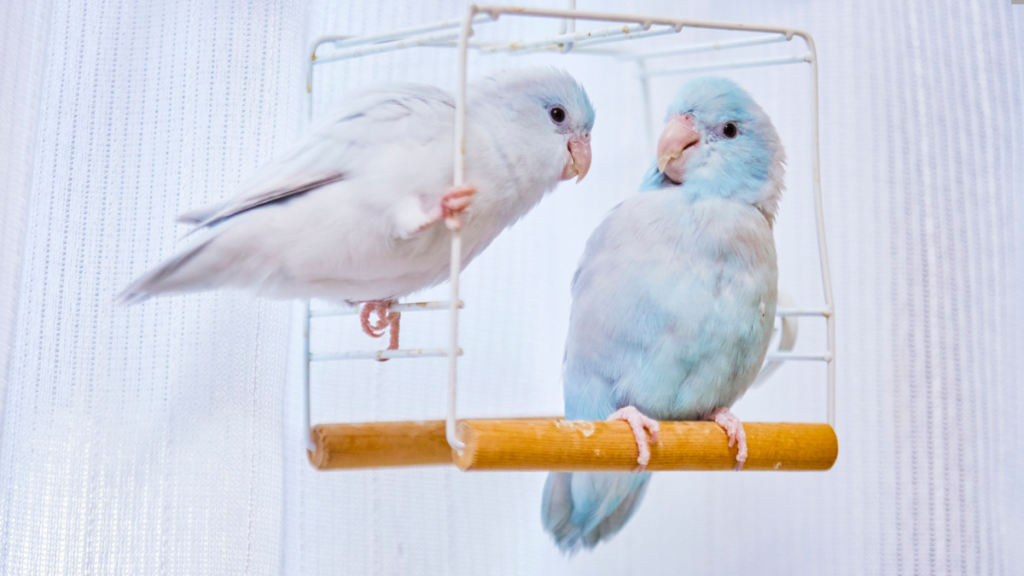
Living with pets is wonderful, but it comes with the responsibility of keeping your animals safe and happy. The first order of business is learning How To Pet-Proof Your Home. This guide will take you room by room, offering tips and tricks for addressing common hazards and developing safe daily habits. Pet-proofing your house should be a simple, manageable process for any situation, and it will change as your pet’s age, size, and needs evolve.
Learn why pet-proofing is important, then explore each room of your home, including special considerations for puppies and kittens, senior pets, and outdoor pet-proofing.

Why Pet-Proof Your Home?
Animals interact with their environment differently than humans do. Dogs, cats, and other pets explore using their mouths, paws, and noses, and they lack a true sense of danger. To them, electrical cords look like toys, cleaners smell fascinating, and open windows are an invitation.
Pet-proofing your house helps prevent pets from:
-
Accidentally poisoning themselves
-
Ingesting choking hazards
-
Falling or injuring themselves
-
Escaping
-
Becoming stressed or developing behavioral problems
Pet-proofing also benefits you. When your home is well prepared for your pet, it’s easier to enjoy time together without worrying about every object, room, or door they approach.
A Pet’s-Eye View
Before making changes, take a few minutes to look at your home from your pet’s perspective. Get down low—sit or crouch on the floor and look around. You may notice:
-
Dangling cords
-
Items on the floor
-
Open trash cans
-
Low cabinets and tables
This exercise may not be glamorous, but it’s an important first step in identifying potential hazards and deciding what to address first.
Pet-Proof the Living Room
The living room is the hub of many pet households, making it a great place to start pet-proofing.
Secure Electrical Cords
Pets love to chew on cords from lamps, TV remotes, chargers, and other electronics. Reduce temptation by:
-
Using cord protectors or cable organizers
-
Taping cords to walls or furniture
-
Unplugging unused electronics
Watch for Small Items
Pets can easily swallow remote controls, batteries, coins, hair ties, children’s toys, and other small objects. Store these items in drawers or containers with lids.
Avoid Toxic Plants
Common houseplants such as philodendron, pothos, peace lily, and aloe vera can be toxic to pets. Replace them with pet-safe options like spider plants, areca palms, or Boston ferns.
Anchor Furniture
Bookcases, TVs, and floor lamps can pose tipping hazards. Secure large, heavy furniture to the wall and avoid placing tempting items on top.

Pet-Proof the Kitchen
The kitchen is often the most hazardous room in the house.
Lock Cabinets and Drawers
Install childproof latches on cabinets that contain:
-
Cleaning products
-
Trash bags
-
Sharp knives and utensils
-
Human medications
Pets are surprisingly dexterous when using their paws and noses to open doors.
Secure the Trash
Trash bins can contain food scraps, bones, wrappers, and other dangerous items. Use a trash can with a tight-fitting lid or store it inside a cabinet.
Beware of Human Foods
Some foods that seem harmless to people are extremely dangerous to pets, including:
-
Chocolate
-
Grapes and raisins
-
Onions and garlic
-
Alcohol
-
Xylitol (commonly found in sugar-free gum and baked goods)
Never leave these items within reach of pets, even briefly.
Pet-Proof Bedrooms
Bedrooms may seem lower risk, but they can still present hazards.
Manage Cords and Chargers
Phone chargers, alarm clock cords, and other electronic cables are common chewing targets. Use cord protectors or keep cords off the floor.
Secure Medications
Store pill bottles, vitamins, and supplements in closed drawers or cabinets. Even pet-safe supplements, such as omega-3 fish oil, can cause health issues if consumed in large amounts.
Tidy Clothing and Accessories
Items like socks, underwear, shoelaces, belts, hair ties, and jewelry can cause gastrointestinal blockages if ingested. Make it a habit to store these items in drawers or closets.
Pet-Proof the Bathroom
Bathrooms contain many potential dangers for pets.
Close the Toilet Lid
Pets can fall into the toilet or drink water treated with cleaning chemicals. Keep the lid closed whenever possible.
Lock Away Cleaning Supplies
Store shampoos, soaps, disinfectants, and toilet cleaners out of reach. Even natural or eco-friendly products can be harmful if ingested.
Watch for Small Items
Hair ties, cotton balls, dental floss, razors, and similar items pose choking hazards. Use lidded containers and empty bathroom trash frequently.
Pet-Proof the Laundry Room
Laundry rooms often contain detergents, dryer sheets, and enclosed spaces pets may explore.
Store Detergents Properly
Liquid detergent pods are especially dangerous because they resemble toys. Store all laundry supplies on high shelves or in locked cabinets.
Check Appliances
Pets love warm, enclosed spaces. Always check washers and dryers before starting a cycle.
Pet-Proof Windows, Doors, and Balconies
Escapes and falls are high-priority concerns, especially in apartments or multi-story homes.
Secure Windows and Screens
Ensure window screens are sturdy and properly installed. Screens are not designed to support a pet’s weight.
Install Pet Gates or Barriers
Pet gates can block access to staircases, balconies, or rooms that haven’t yet been pet-proofed.
Practice Door Safety
Pets often slip out through open doors. Consider:
-
Teaching a “wait” command
-
Using a double-door entry system
-
Installing pet-friendly door barriers
Pet-Proofing for Puppies and Kittens
Young pets require extra care. They have high energy levels, chew frequently, and are more easily stressed.
Remove Chew Hazards
Puppies and kittens chew to explore and relieve teething discomfort. Protect shoes, furniture edges, cords, and other vulnerable areas.
Offer Safe Alternatives
Provide plenty of safe chew toys and rotate them often to maintain interest.
Supervise and Confine
Crates, playpens, and pet-proofed rooms are useful when supervision isn’t possible and help prevent accidents.
Pet-Proofing for Senior Pets
Senior pets may face challenges such as arthritis, limited mobility, vision loss, or cognitive decline.
Add Non-Slip Surfaces
Place rugs or mats on slippery floors to reduce the risk of falls.
Make Essentials Accessible
Keep food bowls, water, and litter boxes on the same level and easy to reach.
Block Dangerous Areas
Limit access to stairs, pools, garages, and cluttered spaces where injuries are more likely.
Outdoor Pet-Proofing Tips
Pet-proofing should extend to yards, balconies, and patios.
Inspect Fencing
Check for loose boards, gaps, weak areas, or places where pets could dig or squeeze through.
Remove Toxic Plants
Plants such as azaleas, foxglove, oleander, lilies, and sago palms are toxic to pets. Replace them with pet-safe alternatives.
Store Tools and Chemicals Safely
Keep garden tools, fertilizers, pesticides, and antifreeze locked away and out of reach.
Pet Emergencies
Pet-proofing is an ongoing responsibility that also helps you respond effectively in emergencies.
Keep Emergency Numbers Handy
Save your veterinarian’s contact information and the nearest 24-hour emergency clinic number on your phone.
Assemble a Pet First Aid Kit
Include essentials such as:
-
Bandages
-
Tweezers
-
Pet-safe antiseptic
-
Emergency contact information
Know the Warning Signs
Watch for symptoms such as:
-
Vomiting or diarrhea
-
Lethargy or weakness
-
Changes in appetite or water intake
-
Limping or difficulty walking
-
Unusual behavior
Seek veterinary care immediately if you suspect an emergency.
Daily Habits for a Pet-Safe Home
Pet-proofing is not a one-time task. Helpful daily habits include:
-
Picking up small items
-
Closing lids and doors
-
Inspecting floors for hazards
-
Updating pet-proofing as your pet’s needs change
Building Trust
Pet-proofing your home shows love and care for your pet. A safe environment helps pets feel secure, reducing anxiety and destructive behaviors.
For pet parents, a well pet-proofed home means fewer emergencies, less stress, and more time to enjoy life together.
Final Thoughts on Pet-Proofing Your Home
Pet-proofing doesn’t have to be expensive or time-consuming. Awareness, consistency, and thoughtful choices go a long way in protecting your pets.
Take the process room by room and build habits that support long-term safety. Since every pet is different, tailor these tips to suit your pet’s size, age, and personality. With patience and care, you’ll create a home where your pet feels safe, comfortable, and happy.
Save pin for later

- Dog Nutrition Guide for Better Health and Energy - May 23, 2026
- How to Keep Your Cat Healthy and Active at Home - May 17, 2026
- Dog Health Tips for Indoor and Apartment Living - May 17, 2026