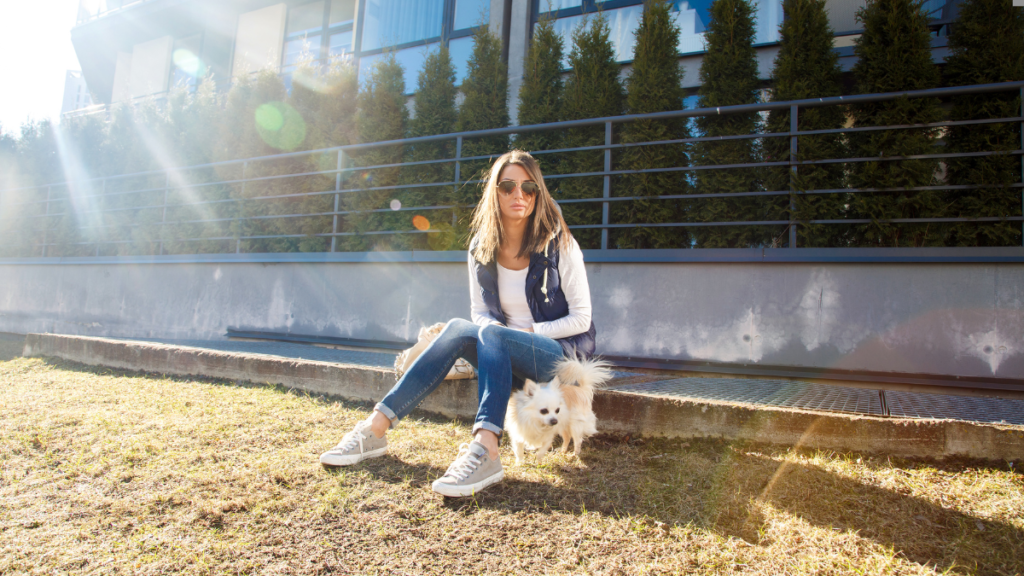
It doesn’t get much more perplexing—or frustrating—than snapping on that leash and heading out the door, only to find your dog refusing to move forward. One minute, you have a pup who happily bounds out the door with you wherever you go. The next thing you know, they’re planting their feet and refusing to take another step. Why does my dog suddenly refuse to walk? And what can I do to change this behavior?
You’ve come to the right place. Surprisingly, walk refusals are actually quite common among dogs, though most owners won’t admit it. Once you know where to look, there are usually clear clues pointing to the triggers behind your dog’s sudden lack of enthusiasm.
What Does “Refusing to Walk” Mean?
Before assuming there’s a problem, take a moment to really observe what your dog is doing.
Does your dog:
-
Stop dead in their tracks and sit or lie down?
-
Pull backward toward home?
-
Freeze and ignore your cues?
-
Tremble or seem visibly stressed?
-
Walk halfway and then stop?
-
Do all of the above?
Different types of “walk refusal” can indicate different causes. Take note of when it started, where it happens, and any major changes leading up to the problem.
Your Dog Won’t Walk Because of Physical Reasons
1. They’re in Pain or Hurt
Dogs instinctively protect themselves when in pain, so you may not realize there’s an issue until your dog outright refuses to walk.
Be on the lookout for:
-
Strains or sprains
-
Joint pain or inflammation
-
Paw injuries (cuts, scratches, thorns, burns)
-
Nail problems or broken claws
-
Hip dysplasia or spine issues
What to do:
Inspect your dog’s paws for redness, swelling, cracks, or debris. Observe how they stand, sit, or move around the house. If their refusal to walk is sudden or persistent, schedule a veterinary appointment.
2. They’re Sick or Tired
When dogs don’t feel well, they often lack the energy or desire to walk. Illness can drain motivation.
Symptoms to watch for:
-
Lethargy
-
Loss of appetite
-
Vomiting or diarrhea
-
Heavy panting or shaking
What to do:
If your dog refuses to walk and shows other symptoms, contact your veterinarian. Sometimes, refusal to walk is the first sign something is wrong.
3. Aging or Joint Issues
Older dogs may suddenly refuse walks they once loved. Aging bodies recover more slowly, and stiffness or soreness can make walking uncomfortable.
What to do:
Slow your walking pace, shorten distances, and consider joint supplements or supportive products like orthopedic harnesses or softer walking surfaces. Adjust expectations while encouraging gentle exercise.
Your Dog Won’t Walk Because of Emotional Reasons
4. They’re Afraid
Fear can prevent a dog from wanting to walk. Something outside may be upsetting them during walks.
Common triggers include:
-
Thunderstorms, fireworks, or loud noises
-
Aggressive dogs or strangers
-
Slippery surfaces
-
Large vehicles or construction equipment
-
Being startled or yelled at during a walk
Fear can generalize to the entire walk or specific areas where the trigger occurs.
What to do:
Never force your dog to walk if they’re afraid. Keep a safe distance from the trigger, calmly reassure your dog, and gradually reintroduce them to the situation.

5. Negative Experiences
Even a single negative experience during a walk can make dogs fearful of walking again.
Watch for this in:
-
Rescue dogs
-
Dogs who had limited human interaction as puppies
-
Puppies who experienced trauma or fear during sensitive developmental periods
What to do:
Take a different route, keep walks short, and associate walks with things your dog loves, like treats or play.
6. Separation Anxiety or Overattachment
Some dogs refuse walks because they don’t want to leave the house—or you. Dogs with severe separation anxiety may resist walking to avoid being away from you.
What to do:
Practice calm departures and goodbyes, build confidence through short walks, and use positive reinforcement exercises at home.
Your Dog Won’t Walk Because of External Reasons
7. Weather or Temperature
Dogs can be sensitive to hot or cold weather. Pavement, storms, wind, snow, or ice can all make walking uncomfortable.
What to do:
Check pavement temperatures with your hand, consider protective booties, and adjust walk times to cooler or calmer parts of the day.
8. Overstimulation
Crowds, traffic, smells, and noise can overwhelm dogs. Overstimulation may cause them to freeze, refuse to move, or pull back toward home.
What to do:
Choose quieter routes, gradually increase exposure, and remember that mental breaks are as important as physical ones.
Your Dog Won’t Walk Because of Training or Motivation
9. Uncomfortable Harness or Collar
A poorly fitted harness or collar can make walking painful or restrictive.
What to do:
Check for rubbing or chafing. Experiment with different harness or collar styles to find a comfortable fit.
10. Walks Aren’t Rewarding Enough
Dogs may stop walking if they’re bored or not mentally stimulated during walks.
What to do:
Let your dog sniff, explore, and make small choices. Try new routes, add play, or use high-value treats to make walks enjoyable.
11. Testing Boundaries
Dogs are smart. If stopping makes you pick them up or turn home, they may learn to do it intentionally.
What to do:
Stay calm, avoid power struggles, and use positive reinforcement to encourage movement.
Training Your Dog to Walk Again
Step 1: Eliminate Health Concerns
If refusal is sudden, intense, or persistent, contact your vet immediately.
Step 2: Identify Patterns
Observe when and where the behavior happens. Triggers might include specific streets, times of day, weather, or past scolding.
Step 3: Stop Forcing Your Dog
Forcing a dog to walk when scared can reinforce fear.
Step 4: Reward Any Movement
Praise and treat small steps forward to build confidence.
Step 5: Start Small
Even a minute in the backyard helps rebuild positive associations.
Step 6: Adjust Expectations
Some dogs aren’t long-distance walkers, and that’s okay.
Step 7: Seek Professional Help
Consult a trainer or behaviorist if anxiety or fear persists.
What NOT to Do
-
Force your dog to walk
-
Pull or drag them on the leash
-
Scold them for refusal
-
Ignore the problem
These actions can worsen the behavior.
When to Consult Your Vet
See a vet if your dog:
-
Refuses to walk suddenly for no obvious reason
-
Shows signs of illness or injury
-
Continues refusing despite adjustments
Help Your Dog Look Forward to Walks Again
The key to answering Why Does My Dog Suddenly Refuse to Walk? How to Fix It is understanding what your dog is trying to communicate. Dogs live in the present, but negative experiences linger. How you respond can help undo fearful or reluctant behavior.
Final Thoughts
A dog suddenly refusing to walk can be confusing and frustrating, but it’s rarely about stubbornness or laziness. In most cases, it’s a way your dog communicates discomfort, fear, or confusion. By carefully observing your dog, ruling out health issues, addressing emotional or environmental triggers, and using patient, positive reinforcement, you can help your dog regain confidence and enjoy walks again.
Remember, every dog is different, and progress may take time. Stay calm, stay consistent, and focus on making walks a positive experience. With patience and understanding, your walks can return to being a fun and rewarding time for both you and your dog.
Save pin for later

- The Cutest Cat Breeds in the World - March 21, 2026
- Black Cat Names That Are as Mysterious and Beautiful as They Are - March 21, 2026
- Did You Know Your Dog Could Have Diabetes? - March 20, 2026