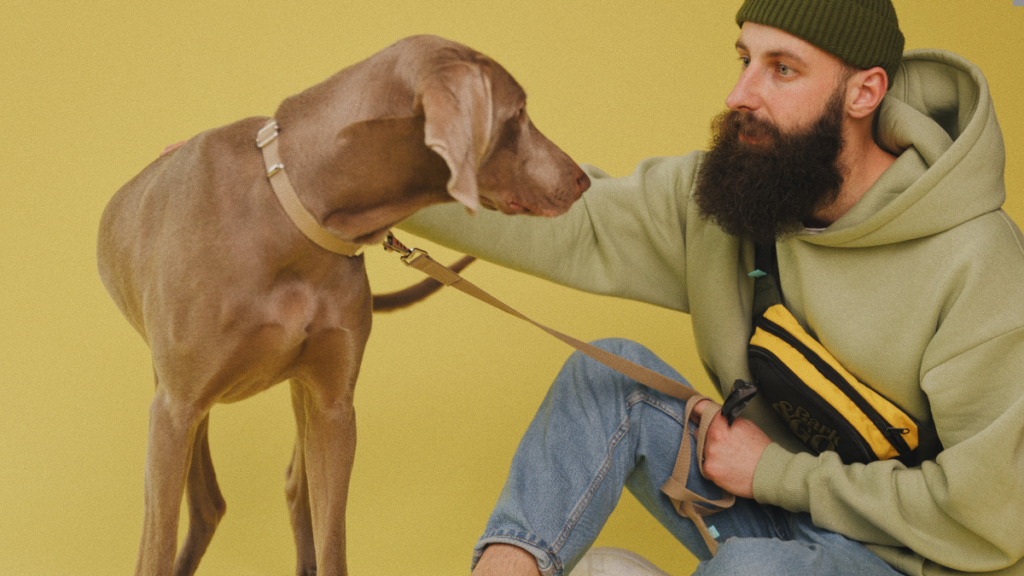
One day your dog happily lounges across the room, absorbed in a good sniff. The next day, they will not leave your side.Your clingy dog follows you from room to room. They sit at your feet. They whine every time you close a door. They try to climb onto your lap whenever you sit down.Dog clinginess is cute—until it happens all of a sudden.
When your happy-go-lucky dog becomes suddenly needy, it’s hard to know how to react.It’s sweet when a puppy comes begging for snuggles. It’s less sweet when a full-grown bulldog who used to love running off by himself suddenly can’t bear to leave your side.
Suddenly clingy dogs aren’t trying to annoy you. They are trying to communicate.

Why Does My Dog Suddenly Become Clingy?
Your dog suddenly becomes clingy because something has changed. Something made them uncomfortable or vulnerable. Now they feel like they need you closer.
Dog behavior is communication. Dogs lack the complex language skills we enjoy as humans, but they excel at showing you how they feel through their actions.
Any sudden change in behavior is your dog’s way of telling you that something needs attention.
When your dog becomes clingy, there’s no need to get frustrated or angry. They aren’t being stubborn or trying to test your limits. They are scared or uncomfortable and need your reassurance.
That doesn’t mean you let a dizzy dog collapse at your feet every second of the day.
But it does mean you can approach their behavior with empathy rather than annoyance, which gives you a better chance of identifying the cause.
So what might be causing your dog’s sudden attachment issues?
What “Clingy” Looks Like in Dogs
As with any behavior, it can be helpful to define what you’re looking at first.
How do you know if your dog is clingy? Signs of clinginess include:
-
Chasing you around the house
-
Constantly sitting on or near you
-
Whining or barking when you enter another room
-
Panicking when you prepare to leave
-
Demanding more attention than usual
-
Wanting to sleep with you (when they used to sleep alone)
-
Appearing worried or stressed when they can’t see you
Don’t forget about your dog’s baseline. Some dogs are naturally more affectionate and people-focused than others.
Labrador Retrievers, Cavaliers, and German Shepherds are popular for a reason. They love being around their people.
If your dog has always been at your feet, clinginess might not be the issue.
But if your dog is suddenly more needy than usual, there could be a problem.
Let’s dig into the usual suspects.

1. Emotional Changes & Anxiety
Anxiety is one of the most common causes of clinginess in dogs.
Dogs crave consistency and routine. Change can upset that stability, causing anxiety. Your dog may feel anxious because of something in their life that is out of their control.
When dogs don’t know what to expect, they often cope by sticking close to you—their “safe” person.
There are many situations that can spark anxiety, including:
-
Relocating to a new home
-
A new work schedule for you
-
The birth of a child or arrival of a new pet
-
Unexpected loud noises (construction, storms, fireworks)
-
The death of another pet in the household
-
Increased alone time
Your dog may not understand what is happening, but they know their world has been turned upside down.
Staying close to you makes them feel more secure.
When dogs are anxious, they look to you to guide them through fear. Be their rock when everything else is unpredictable.
Your steady presence can calm their nerves.
2. Physical Pain or Illness
Many dogs become clingy when they don’t feel well.
Has your dog suddenly become clingy? Are they also showing other signs of distress, pain, or unusual behavior?
If yes, your dog might be sick or hurting.
Dogs naturally seek comfort when they don’t feel good. They may crawl into your lap when they have diarrhea because they feel miserable. They may follow you everywhere while sick because being alone feels unsafe.
Think about how you feel when you’re unwell. You want to crawl into bed and rest. You may also become more sensitive to touch.
If your dog becomes clingy and exhibits other signs of distress, take them to the vet—especially if the behavior came on suddenly.
Clinginess can be one of the first indicators that your dog is sick or hurt.
3. Cognitive Decline or Aging
Things feel different to dogs as they get older.
Older dogs become clingy because aging brings challenges they didn’t used to have—things that make them unsure of themselves or scared.
Vision and hearing loss are common with age. Conditions like arthritis can develop. Some dogs experience canine cognitive dysfunction (dog dementia).
Your aging dog may follow you around because they feel lost without your guidance. They may have trouble navigating the house, especially at night.
Senior dogs also tend to sleep more lightly than younger dogs, which means they wake up more often and seek you out.
Unlike a puppy who suddenly becomes clingy because they are still learning about the world, senior dogs become clingy because the world is changing for them.
4. Your Behavior Has Changed
Have you changed recently?
Consider these scenarios:
-
Work stress has been overwhelming you lately
-
A family member has passed away
-
You’ve started working from home
-
Your work hours have increased
-
You or someone in your family has been sick
Dogs notice when your behavior changes.
They may pick up on your stress through your scent, tone of voice, or posture. They may sense grief or anxiety after a loss.
Dogs are intuitive. If you’re going through something, your dog can probably tell. They may respond by trying to comfort you, just as you comfort them when they’re sick or hurting.
Dog clinginess isn’t always about your dog’s needs. Sometimes it’s about how they can help you.
5. Something Scared or Upset Them
Trauma can make dogs clingy.
Single frightening events can overwhelm your dog and make them feel unsafe when they’re not around you.
Examples include:
-
Getting lost
-
Being attacked by another dog
-
Hearing loud noises (thunderstorms, fireworks, firecrackers)
-
Being in a car accident
-
Experiencing harsh punishment
-
A terrifying vet visit
Dog behavior problems aren’t always caused by us—accidents happen.
Depending on the experience, your dog may become more clingy because leaving you means entering unknown territory where bad things can happen.
Until they feel safe again, your dog will want to be with you.

6. Separation Anxiety
Separation anxiety is extreme clinginess.
Dogs with separation anxiety hate being left alone. They will do anything they can to avoid being separated from their owners.
When you prepare to leave, your dog may:
-
Pant, drool, or shake excessively
-
Destroy household items
-
Claw at doors or furniture
-
Follow you constantly
-
Bark or howl when you leave
Separation anxiety often develops after a change in routine.
Maybe you’ve returned to work after spending more time at home. Maybe you’ve moved. Perhaps you recently adopted your dog, or another pet has passed away.
Whatever the cause, dogs with separation anxiety often fear being left alone.
If leaving your dog alone causes them severe distress, it’s time to seek help.
7. They’re Going Through a Growth Spurt
Growing pains can make a puppy suddenly become clingy.
Just like human babies, puppies and young dogs don’t understand the world yet. Everything is new and sometimes overwhelming.
Puppies go through “fear periods” when they become extra cautious of their surroundings. It’s normal for young dogs to be clingy during these stages.
Spaying or neutering can also cause temporary behavioral changes as hormones shift.
Your dog may become clingy while learning about their world—but this usually fades with time.
8. You Accidentally Reinforced the Behavior
This one is tricky.
Dogs may become clingy if they learn they receive attention for following you around.
Think about it.
When your dog follows you from room to room, what do you do?
Do you:
-
Pet them?
-
Talk to them?
-
Pick them up?
-
Give them treats?
These are all loving responses—but your dog may misunderstand your intention.
If following you always results in attention, your dog learns that following you = reward.
Too much attention can unintentionally reinforce clingy behavior.
Clinginess vs. Healthy Attachment
Not all clinginess is bad.
You can often tell how your dog feels by their body language.
-
If your dog panics when they can’t be with you, that’s unhealthy clinginess.
-
If your dog enjoys your company but stays calm when you leave, that’s healthy attachment.
Bonding with your dog is important. They should love being around you, sleeping near you, and spending time with you.
When clinginess comes from a good place, it’s easy to spot.
You know your dog best. If their behavior changes abruptly, watch for red flags.
Increase Mental & Physical Stimulation
“My wildly hyper puppy never wants to leave my side—there’s a reason for that!”
Exercise and enrichment matter.
Dogs who are tired—mentally and physically—are less likely to seek constant attention.
Brain games, long walks, and training sessions help burn energy so your dog rests instead of shadowing you.
There can be medical, psychological, and environmental reasons for intense attachment.
If your dog suddenly becomes clingy, start with these ideas and don’t panic.
Dogs never seem clingy for “no reason.” There is always a cause.
The Bottom Line
Dog clinginess comes down to one thing: safety.
Your dog doesn’t know how to say:
-
“I’m scared.”
-
“I don’t feel good.”
-
“Don’t leave.”
-
“Please pet me.”
So they show you.
When something upsets your dog, their first instinct is to be near you—where they feel safe.
Just like you cuddle loved ones when you’re unwell, dogs become clingy when they’re troubled.
When your dog suddenly becomes clingy, look for the cause. Then snuggle up and comfort them as they recover.
Save pin for later


- The Cutest Cat Breeds in the World - March 21, 2026
- Black Cat Names That Are as Mysterious and Beautiful as They Are - March 21, 2026
- Did You Know Your Dog Could Have Diabetes? - March 20, 2026