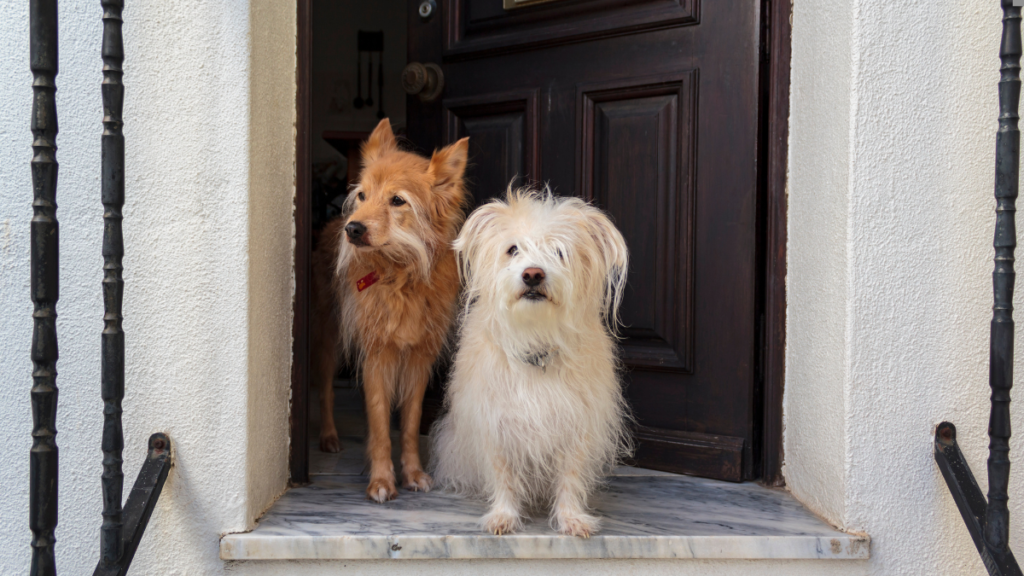
If you have ever noticed your dog walking back and forth across your living room, hallway, or kitchen, you are not alone. Many pet owners find themselves asking Why Your Dog Paces Indoors and What It Means, especially when the behavior seems repetitive or happens for no obvious reason. While occasional pacing can be completely normal, frequent or persistent pacing is often your dog’s way of communicating something important.
Dogs do not speak our language, but they constantly communicate through body language and behavior. Pacing is one of those signals that can indicate anything from excitement and boredom to anxiety or even medical issues. Understanding the reasons behind indoor pacing can help you respond appropriately and ensure your dog stays happy, healthy, and comfortable in your home.
What Is Pacing Behavior in Dogs?
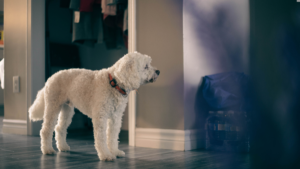
Pacing refers to repetitive walking without a clear purpose. A dog that paces indoors may follow the same path repeatedly, move from room to room, circle furniture, or walk back and forth near doors or windows. Some dogs pace slowly and calmly, while others appear restless, tense, or unable to settle.
Occasional pacing is normal, especially during moments of excitement or anticipation. However, when pacing becomes frequent, prolonged, or appears out of character, it often signals an underlying issue that deserves attention.
Common Behavioral Reasons Dogs Pace Indoors
Anxiety and Stress
Anxiety is one of the most common reasons dogs pace indoors. Just like people, dogs experience stress, fear, and nervousness. When they feel overwhelmed, pacing becomes a way to release that tension.
Common anxiety triggers include loud noises such as thunderstorms or fireworks, unfamiliar visitors, changes in routine, or being left alone. Dogs with separation anxiety often pace near doors or windows, waiting for their owner to return.
Signs that pacing is anxiety-related may include panting, whining, trembling, yawning, or excessive licking. In these cases, pacing is not random—it is a coping mechanism.
Boredom and Excess Energy
Dogs need both physical exercise and mental stimulation. When they do not get enough of either, pacing can become a way to burn off excess energy.
High-energy breeds, young dogs, and working dogs are particularly prone to boredom-induced pacing. If your dog spends most of the day indoors with little activity, pacing may simply be a sign that they need more engagement.
Boredom-related pacing is often accompanied by other behaviors such as chewing furniture, digging, barking, or seeking constant attention.
Excitement or Anticipation
Not all pacing is negative. Many dogs pace when they are excited or anticipating something enjoyable. This might happen before meals, walks, car rides, or playtime.
This type of pacing is usually short-lived and stops once the anticipated event occurs. Your dog’s body language during excited pacing tends to look loose and happy rather than tense or worried.
Attention-Seeking Behavior
Dogs quickly learn which behaviors get a response from their owners. If pacing consistently leads to attention—whether it is petting, talking, or treats—your dog may begin pacing deliberately.
In these cases, pacing becomes a learned behavior rather than a sign of emotional distress. While the dog is not necessarily anxious or uncomfortable, reinforcing the behavior can make it more frequent over time.
Medical Causes of Indoor Pacing
Pain or Physical Discomfort
Dogs often pace when they are uncomfortable and cannot find a position that feels right. Joint pain, arthritis, muscle soreness, dental pain, or internal discomfort can all lead to restlessness.
Because dogs instinctively hide pain, pacing may be one of the few outward signs that something is wrong. If pacing appears suddenly, worsens over time, or is paired with limping, stiffness, or changes in appetite, a veterinary visit is recommended.
Cognitive Dysfunction in Senior Dogs
As dogs age, they may develop cognitive dysfunction, a condition similar to dementia in humans. One of the hallmark signs of this condition is repetitive pacing, especially during the evening or nighttime.
Older dogs with cognitive issues may seem confused, stare at walls, get stuck in corners, or forget familiar routines. Pacing in these cases is often aimless and may happen without obvious triggers.
Early recognition and veterinary support can help slow progression and improve quality of life.
Digestive Issues and Nausea
An upset stomach can also cause pacing. Dogs that feel nauseous may walk around restlessly because lying down makes them uncomfortable.
This type of pacing is often accompanied by drooling, lip licking, decreased appetite, or vomiting. Once the digestive issue resolves, the pacing typically stops.
Neurological or Hormonal Conditions
In some cases, pacing may be linked to neurological issues or hormonal imbalances. Conditions affecting the brain or nervous system can lead to repetitive behaviors, including pacing.
If pacing is combined with seizures, disorientation, head pressing, or sudden behavioral changes, immediate veterinary evaluation is essential.
Environmental and Emotional Triggers
Changes in Routine or Environment
Dogs thrive on routine. Even small changes can disrupt their sense of security and lead to pacing.
Examples include moving to a new home, rearranging furniture, changes in work schedules, a new baby, or the introduction of another pet. Pacing in these situations often reflects uncertainty as your dog tries to process the changes.
Sensitivity to Sounds or Smells
Dogs have incredibly sensitive senses. A sound that barely registers to you—such as distant traffic, buzzing electronics, or a neighbor’s activity—may be stressful for your dog.
If pacing occurs at specific times or in certain rooms, your dog may be reacting to something in the environment that you cannot easily detect.
When Indoor Pacing Becomes a Concern
Understanding Why Your Dog Paces Indoors and What It Means also involves recognizing when the behavior signals a problem. You should seek professional help if pacing:
-
Begins suddenly without an obvious reason
-
Happens frequently or lasts for extended periods
-
Occurs alongside weight loss, appetite changes, or lethargy
-
Is accompanied by signs of pain, confusion, or distress
-
Interferes with your dog’s ability to rest or sleep
Persistent pacing is not something to ignore, especially when it represents a change from your dog’s normal behavior.
How to Help a Dog That Paces Indoors
Increase Physical Activity
Daily walks, play sessions, and appropriate exercise help reduce excess energy and promote relaxation. The amount and type of exercise should match your dog’s age, breed, and health condition.
Provide Mental Stimulation
Mental enrichment is just as important as physical exercise. Puzzle toys, training sessions, scent games, and interactive play can keep your dog’s mind engaged and reduce boredom-related pacing.
Create a Calm and Predictable Environment
Consistency helps dogs feel secure. Try to maintain regular feeding, walking, and sleeping schedules. Provide a quiet, comfortable resting area where your dog can relax without interruptions.
For dogs sensitive to noise, calming music or white noise may help reduce environmental stress.
Avoid Reinforcing Pacing
If pacing is attention-seeking, be mindful of how you respond. Instead of reacting immediately, reward calm behavior by offering attention, treats, or praise when your dog is relaxed and settled.
Seek Professional Guidance
If pacing continues despite your efforts, consult a veterinarian to rule out medical issues. A professional trainer or behaviorist can also help identify behavioral triggers and create a customized plan to address anxiety or habit-based pacing.
What Your Dog Is Trying to Tell You
Dogs communicate through actions, not words. Pacing is rarely meaningless—it is usually your dog’s way of expressing a need, discomfort, or emotional state.
When you understand Why Your Dog Paces Indoors and What It Means, you move beyond frustration and into awareness. You become better equipped to interpret your dog’s behavior and respond with empathy and care.
Final Thoughts
Indoor pacing can be caused by excitement, boredom, anxiety, pain, aging, or environmental changes. While some pacing is completely normal, persistent or intense pacing deserves attention.
By observing patterns, identifying triggers, and taking thoughtful action, you can help your dog feel safer and more comfortable in their home. Your dog depends on you to notice when something feels off, and understanding pacing behavior is an important part of being a responsible and compassionate dog owner.
When addressed early, pacing does not have to become a long-term problem. With patience, consistency, and care, you can help your dog find calm—and enjoy a more peaceful home together.
Save pin for later


- The Cutest Cat Breeds in the World - March 21, 2026
- Black Cat Names That Are as Mysterious and Beautiful as They Are - March 21, 2026
- Did You Know Your Dog Could Have Diabetes? - March 20, 2026