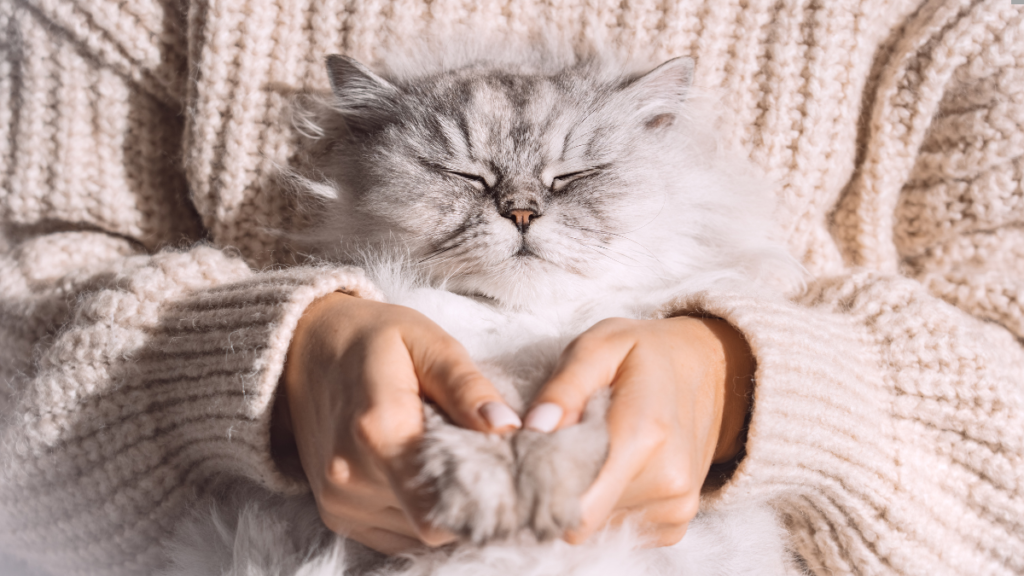
Do you suddenly find your sweet kitty ignoring you, flicking their tail at you, glaring at you, or stomping away in offended cat pride? Why Your Cat Might Be Mad at You – And How to Fix It is a question every cat owner asks themselves at least once. Do cats hold grudges? Not like we do.
However, cats are sensitive creatures. They have distinct likes and dislikes, excellent memories, and a keen sense of when something’s wrong. When their safety feels threatened, their environment is disrupted, or their routine changes without warning, cats can certainly seem “mad” at you.
Let’s Talk About Cat Feelings (Yes, Cats Feel Too)
Believe it or not, your cat experiences many of the same feelings we do: contentment, fear, stress, excitement, annoyance, and frustration. Cats may not express emotions exactly the way humans do, but they form strong positive and negative associations between experiences and outcomes.
If you scare them or do something that upsets them, they’ll remember it and may associate you with that negative feeling—even if you weren’t the cause.
Unlike dogs, who often seek to comfort you when you’re upset by licking your face or cuddling close, cats tend to hide from conflict or react defensively. To you, it may seem like your cat is holding a grudge, but in reality, they’re just protecting themselves.
Signs Your Cat Is Mad at You (+ How to Fix It)
Before we get into why your cat may be mad at you, let’s talk about how to tell when your cat is upset. Cats are masters of subtle communication. If you know what to look for, there will almost always be a tell.
Common Signs Your Cat Is Upset
-
Avoiding you or hiding more than usual
-
Tail flicking or thumping (when you approach)
-
Ears flattened back against their head or turned sideways
-
Growling, hissing, batting, or swatting at you
-
Refusing to sit near you or let you touch them
-
Changes in litter box or eating habits
If your cat does any of these things, it doesn’t mean they hate you, but it does mean something is bothering them. Let’s break down every reason your cat may be upset and how you can remedy the situation.
1. You Changed Their Routine
Cats are creatures of habit. Feeding time, playtime, nap locations, and even your daily schedule are all important to them. Even small changes can feel unsettling.
Recent changes that can upset your cat:
-
Changing feeding times
-
Switching food brands suddenly
-
Starting a new job with longer hours
-
Coming home late from vacation
-
Rearranging furniture
How to fix it:
Try to get back into a routine as soon as possible. Feed them, play with them, and maintain sleep schedules consistently. Allow your cat to adjust to changes on their own terms. If a schedule change is unavoidable, introduce it gradually so your cat has time to adapt.
2. You Smell “Wrong”
Have you ever come home from vacation and your cat hissed at you or ran away? Cats rely heavily on smell to identify friends and foes—including you. If you walk through the door smelling like:
-
Another animal
-
Baby products (like wipes or hand sanitizer)
-
Strong perfume, hairspray, or cologne
-
Cleaning chemicals
-
The vet
…your cat may perceive you as a stranger.
How to fix it:
Wash your hands and change your clothes if necessary before interacting with your cat. Let them approach you first. You can also rub a familiar blanket or towel your cat likes on your hands to reintroduce your scent.
3. You Took Them to the Vet (Or Gave Them Medicine)
From your cat’s perspective, a trip to the vet can feel traumatic. Car rides, strange smells, loud noises, and poking or prodding are all stressful experiences. When you “make them” go to the vet, your cat may associate that stress with you.
This is one of the top reasons for Why Your Cat Might Be Mad at You – And How to Fix It.
How to fix it:
Give your cat space after stressful events. Don’t force affection. Place treats near them, speak calmly when around them, and maintain normal routines. Over time, positive experiences will outweigh the negative association.
4. You Accidentally Hurt or Scared Them
Accidents happen. But to your cat, being startled by a loud noise or an accidental grab can feel threatening. Cats remember outcomes, not intent.
How to make up with your cat:
Apologize in cat-friendly ways: remain calm, speak softly, avoid sudden movements, and give them space if needed. Encourage positive interactions with toys or treats, but never force your cat to engage.
5. You’re Overstimulating Them
Many cats love attention—but only on their terms. Petting too long, touching sensitive areas like the belly, or ignoring subtle hints can trigger annoyance.
Signs your cat is overstimulated:
-
Tail twitching
-
Rippling skin
-
Sudden biting or scratching
How to fix it:
Learn your cat’s limits and love language. Short petting sessions are better than long ones. Stop interaction before they get annoyed. Respecting boundaries builds trust and reduces frustration.
6. Someone New Entered the Home
Cats are territorial. A new pet, roommate, partner, or baby can feel like a major threat to their environment. Even positive changes can be stressful.
How to help:
Introduce new pets slowly, using scent swapping and gradual visual exposure. Ensure your cat has safe spaces, vertical territory (like cat trees), and one-on-one time with you. Reassure them they are still your favorite.
7. Something in Their Environment Is Stressing Them Out
Small changes can feel huge to a cat. Loud noises, construction, new neighbors, or boredom can lead to irritability.
How to restore peace:
-
Daily interactive play
-
Window perches
-
Scratching posts
-
Puzzle feeders
A mentally and physically stimulated cat is far less likely to act upset.

8. They’re Hurt or Sick
If your cat suddenly hides, it may not be personal—it could be illness or pain. Cats instinctively hide when in pain, as they would in the wild. Common issues include:
-
Joint pain or arthritis
-
Dental problems
-
Injury
-
Digestive upset
-
Stress
How to fix it:
If your cat shows sudden, intense, or prolonged behavioral changes, consult a veterinarian. Treating the underlying health issue usually resolves the emotional one as well.
Help! My Cat Is Still Mad at Me
Avoid these mistakes:
-
Don’t punish them – Punishment only increases fear.
-
Don’t force affection – This worsens anxiety.
-
Don’t stare – Direct eye contact can feel threatening.
-
Don’t rush it – Trust is rebuilt gradually.
What you can do:
-
Give them space and let them come to you.
-
Reward good behavior with treats or play.
-
Maintain predictable routines.
-
Speak calmly and move slowly.
-
Respect boundaries.
With patience, negative interactions will slowly be replaced by positive ones.
Patience Is Your Biggest Ally
Cats associate how you make them feel with you. Even accidental discomfort is remembered. Trust is not regained with a single gesture—it is rebuilt through consistent, positive interactions.
Why Does My Cat Act Mad at Me? They’ll Come Around
Understanding Why Your Cat Might Be Mad at You – And How to Fix It comes down to perspective. Seeing the world through your cat’s eyes makes their behavior understandable. That bite isn’t hatred—it’s fear or tension trying to communicate.
Conclusion
Animals don’t take things personally like humans do. If your cat seems annoyed or mad, it’s not personal. Look for the signs something is bothering them, take appropriate action to make them feel safe and loved, and practice patience while they regain trust.
They won’t forget mistakes, but with time and care, they’ll forgive them—and your bond will be stronger than ever.
Save pin for later


- The Cutest Cat Breeds in the World - March 21, 2026
- Black Cat Names That Are as Mysterious and Beautiful as They Are - March 21, 2026
- Did You Know Your Dog Could Have Diabetes? - March 20, 2026