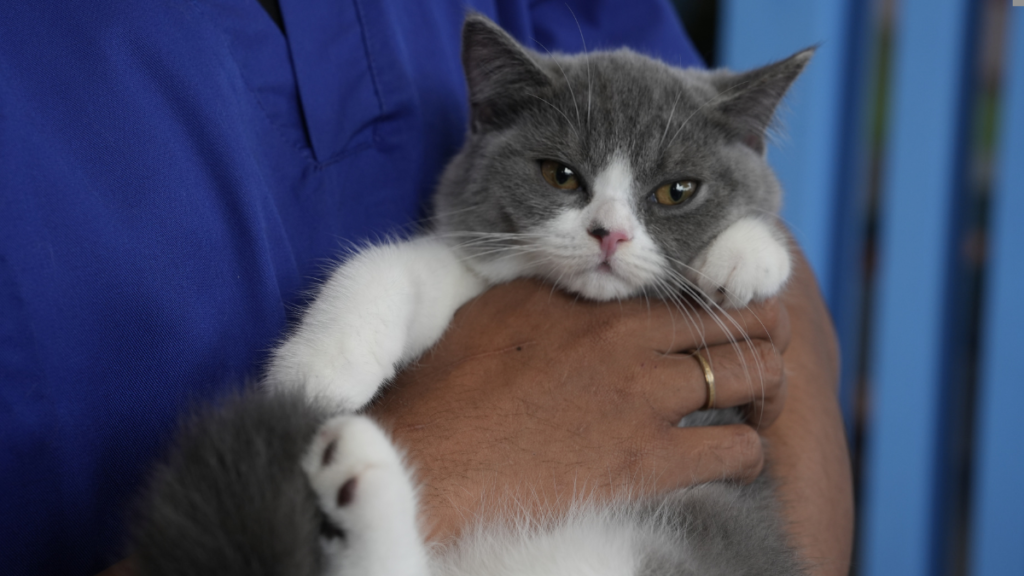
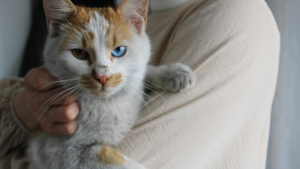
You try to pick up your cat, and they freeze with stiff limbs, suddenly wiggle until they’re free, or shoot you a look that could curdle milk. There are plenty of affectionate, happy, well-loved cats that absolutely loathe being held. It’s confusing—and often upsetting—to feel rejected by your cat. But when you look at why some cats hate being held through their eyes, it all makes sense.
Cats show affection in ways that we don’t always understand. Just because they don’t love being held doesn’t mean they don’t love you. Cats show trust and comfort through pets and snuggles, but being picked up can trigger biological, emotional, and learned responses that cause them to want to escape your arms.
Cats Aren’t Dogs, Ya Dig?
Humans tend to assume that other animals experience love and affection the same way we do. Dogs often enjoy being held, restrained, and carried because they are generally socially comfortable giving up that control. Dogs are pack animals, through and through. Cats, however, are solitary hunters.
For cats, being picked up can induce anxiety because it forces them into a vulnerable position. Being off the ground means they can’t flee or defend themselves. In the wild, when a cat loses contact with the ground against their will, danger is usually close behind. A predator has taken them by surprise and intends to cause serious harm.
When you pick up your cat, you:
-
Take away their ability to escape
-
Restrict their movements
-
Force them into a position that makes it difficult to read body language
To many cats, that feeling of vulnerability is overwhelming.
Loss of Control Increases Stress
Cats like to be in charge. They feel safest when they can choose where they sit, how long they want to hang out with you, and when they want to leave. Being held takes away that control.
Stress can cause:
-
Elevated heart rate
-
Muscle tension
-
Anxiety or overstimulation
-
Defensive behavior (scratching, biting, etc.)
If you’re holding your cat and they suddenly seem scared or like they want to fight their way out of your grip, simply set them down. It’s not personal—their body is naturally reacting to feeling restrained.
Sensory Stimulation Matters
Did you know cats have more nerve endings per square inch of skin than we do? Their entire bodies are extremely sensitive to touch, pressure, and movement.
When you hold a cat:
-
Their fur rubs against your clothes
-
They may be sitting unevenly on your lap
-
You may be gripping their waist too tightly
-
Your body heat may be overwhelming
Many cats also become overstimulated very quickly. The moment you lift them up, they may enjoy the petting—then instantly want back down.
How They Were Handled as Kittens
How a cat is handled as a kitten can strongly impact how they tolerate handling as adults. Cats that experience positive human interaction during the first seven weeks of life are more likely to tolerate or enjoy being held later on.
Cats who:
-
Were separated from their mother too early
-
Had little to no human interaction as kittens
-
Were handled roughly
-
Lived in abusive or high-stress households
may associate being held with fear or discomfort.
Trauma Associated With Being Held
If a cat has experienced trauma related to being lifted—such as being dropped or hurt while being held—they may develop a fear of being picked up.
Negative experiences can leave a lasting impression. If your cat had a stressful vet visit as a kitten, they may associate being held with going to the vet as they grow older.
Your cat could also be responding to trauma from a previous home that you’re unaware of. Many cats seem fine with being held until they reach a certain age and suddenly begin resisting. This can stem from an experience early in life.
Illness or Injury
If your cat suddenly becomes resistant to being held, pain or injury may be the cause. While pain doesn’t always make cats hate being held, it can create an aversion to certain positions that cause discomfort.
Pain can stem from:
-
Arthritis or joint issues
-
Dental problems (which can cause pain in the jaw and neck)
-
Abdominal discomfort
-
Injuries
-
Many other medical conditions
If you suspect your cat may be injured or in pain, schedule a veterinary visit as soon as possible.
How You’re Holding Them
Believe it or not, most cats don’t like having their back legs dangling off your lap. They also dislike being squeezed too tightly or having only their front half supported.
The most comfortable position typically involves fully supporting their hindquarters while allowing them to sit securely on your lap. Many cats also feel unsafe if they’re held upside down or suspended in the air.
Not All Cats Are Contact Cats
Just like people, cats have unique personalities. Some cats aren’t bothered by being held but simply don’t enjoy physical contact. There are plenty of ways your cat can show love without constantly being on you.
Love can look like:
-
Sitting next to you instead of on you
-
Following you around
-
Slow blinking
-
Sleeping in the same room
-
Bringing you toys or “gifts”
None of these require you to physically hold your cat. If your cat wants to be near you, they most likely love you.
Pressure Can Harm Your Relationship
Holding your cat against their will can slowly damage your relationship. Each time you pick them up while they resist, you’re teaching them that their boundaries don’t matter.
If you force closeness, your cat may:
-
Avoid you
-
Feel anxious around you
-
Show defensive aggression
-
Offer less affection over time
Respecting your cat’s boundaries often leads to a deeper, healthier bond.
How to Tell If Your Cat Doesn’t Want to Be Held
Most cats give subtle signals before resorting to scratching or biting. Learning these cues can prevent stress and misunderstandings.
Signs your cat wants to be put down include:
-
Tail flicking or thumping
-
Ear twitching or flattening
-
Dilated pupils
-
Body stiffening
-
Growling or grumpy vocalizations
-
Trying to wiggle free
If you notice these signs, gently place your cat back on the ground.
Can You Train Your Cat to Like Being Held?
Yes—but it must be done carefully and respectfully. Some cats can learn to tolerate or even enjoy being held if the process is slow and positive.
Things to remember:
-
Never force your cat to be picked up
-
Keep holding sessions brief
-
Always support their hindquarters
-
Let them leave whenever they want
-
Reward tolerance with treats and praise
Letting your cat approach you first is key to building comfort.
Other Ways Cats Like to Show Affection
If your cat hates being picked up, don’t worry—there are plenty of stress-free ways to connect.
Try:
-
Sitting beside them instead of lifting them
-
Petting them while they remain on the ground
-
Playing interactive games
-
Brushing them (if they enjoy it)
-
Speaking softly
-
Slow blinking
Experiment to discover what your cat enjoys most.
Why Respecting Boundaries Strengthens Your Relationship
When cats know their boundaries are respected, trust grows. Cats who aren’t forced into affection often become more affectionate because they feel safe.
By respecting boundaries, you show your cat that:
-
You won’t hurt them
-
You respect their needs
-
You’re safe to be around
Trust—not rejection—is often the real reason some cats resist being held.
When You Need to Hold Your Cat
Sometimes holding your cat is unavoidable, such as during vet visits, emergencies, or grooming. You can reduce stress by:
-
Wrapping them in a towel for security
-
Keeping the interaction brief
-
Staying calm and quiet
-
Avoiding sudden movements
-
Setting them down as soon as it’s safe
Afterward, give your cat space to decompress.
Conclusion
Cats are emotional, intelligent creatures driven by instinct. Disliking being held doesn’t mean they don’t love you. Most reasons cats resist being held come down to biology, learning, and comfort.
When you learn your cat’s love language, your relationship deepens. Not every cat will enjoy being held—and that’s okay. When we stop forcing affection and meet cats on their terms, we create trust, safety, and genuine connection.
Love doesn’t always look like hugs. Sometimes it looks like four paws on the ground—and you choosing to love them anyway.
Save pin for later


- The Cutest Cat Breeds in the World - March 21, 2026
- Black Cat Names That Are as Mysterious and Beautiful as They Are - March 21, 2026
- Did You Know Your Dog Could Have Diabetes? - March 20, 2026