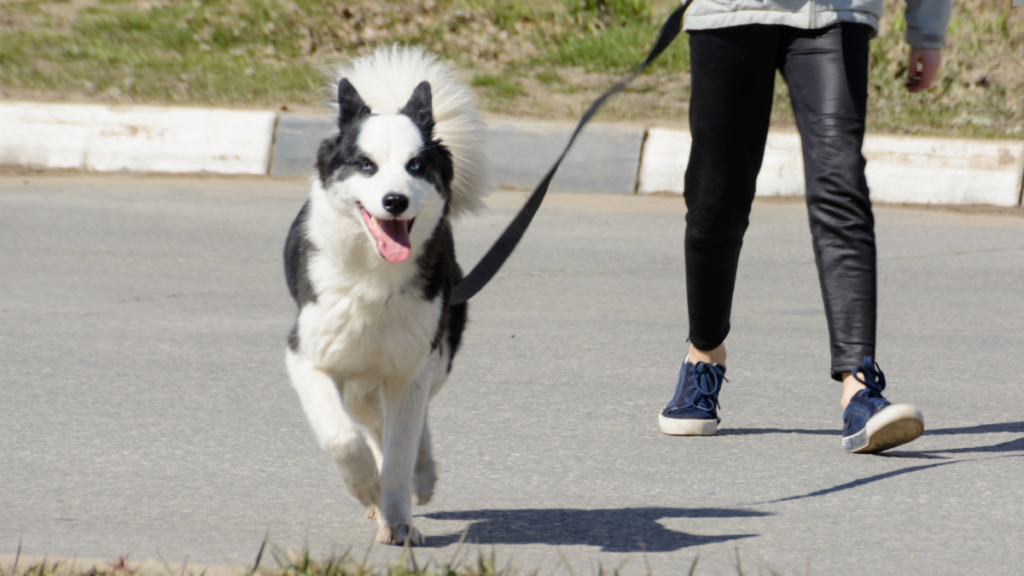
When we think about walks, we usually focus on the walk itself—the number of steps, the distance traveled, the calories burned. We think about how tired our dog will be afterward because, well, that’s what we’re taught. If you give your dog enough exercise, they’ll be good, right? Bark less? Chew less? Be less hyper?Wrong.
Here’s the secret everyone is missing.Why post-walk calm is just as important as exercise (dogs) is a question you should be asking yourself.Because what you do after walks sets the tone for the rest of your dog’s day.
Do you reinforce relaxation after exercise? Or do you accidentally teach your dog to stay high-energy all day long?Many walks are truly “walks” only in the physical sense. Your dog gets great movement, but practicing calm is what teaches them self-control.
Walks Serve a Purpose Greater Than Exercise
To your dog, walking isn’t a boring chore that simply drains energy. It’s an adventure.
And adventures are thrilling. Exciting. Mental. Emotional. Sometimes even stressful.
Just like exercise isn’t “bad” for your dog, walks aren’t all bad either.
Walks are great for:
-
Physical exercise
-
Mental stimulation
-
Sensory enrichment
-
Stress relief
-
Spending time with you
So if walks give your dog more stimulation, where does that leave you after the walk?
You guessed it—still dealing with a rambunctious dog.
When dogs zoom out the door for their daily walk, most owners imagine how great their dog will be when they return. We picture tired pups crashing into their beds for a long nap.
But if your dog spends their entire walk mentally “high as a kite,” what happens when you arrive back home?
Do they know how to turn that off?
Think about it:
Your dog just experienced a treasure hunt of exciting smells, sneaky squirrels, leash pressure, human voices, and sunshine. They return home without a chance to cool down.
Essentially, you’ve unleashed a tornado of pent-up excitement without giving them the tools to calm down.
No wonder they chew pillows, jump all over you, and bark at every passerby.
Exercise Without Calm Equals Excitement
Your dog shouldn’t rely on exercise alone to feel happy and relaxed.
But who can blame them if that’s all you teach them?
If dogs only know how to “go” but never learn how to “rest,” they’ll constantly seek stimulation. This can lead to:
-
Chronic excitement
-
Inability to settle
-
High reactivity
-
Demanding behavior
-
Random biting or nipping
Really, the list goes on.
But here’s the problem: how are dogs supposed to learn relaxation when we give them zero opportunity to practice it?
For some dogs, adding more exercise makes everything worse. It becomes just another way to release energy instead of a way to calm down.
Dogs need to be taught when it’s okay to play, run, and be wild.
Enter… post-walk calm.
So What Is Post-Walk Calm?
Post-walk calm doesn’t mean forcing your dog to sit on a rug for hours.
Calm is teaching your dog that:
-
Home is a place to relax
-
When you leave = playtime starts
-
When you return = playtime ends
-
Chill time is good too
Remember how we said walks are mentally and emotionally stimulating? If you zoom out for exciting walks and—boom—you’re home, your dog’s brain never gets a chance to rest.
Post-walk calm is the process of giving your dog time to mentally and physically recover after exercise. It allows your dog to “wind down.”
Taking the time to calm your dog after walks helps them:
-
Learn impulse control
-
Practice emotional regulation
-
Feel safe
-
Rest their bodies and brains
-
Become more balanced
Why Dogs Have Such a Hard Time Settling Down
Unless you’re lucky enough to live in the wilderness, your dog lives in a chaotic world.
Every day they’re surrounded by unfamiliar sounds, smells, technology, and motion. Your dog’s brain doesn’t naturally know how to unstimulate itself.
-
Couches
-
Other dogs
-
Balls
-
People coming in and out of the house
-
Yappy dogs next door
-
Cars driving by
-
Children screaming
-
Blenders, birds, dishwashers
Living indoors is full of stimulation. And when you pair that with intense walks, dogs often struggle to slow both their bodies and brains down.
Some dogs are also naturally higher-energy than others due to:
-
Genetics
-
Sensitive upbringings
-
Age (puppies and adolescents)
Whether your dog is a high-drive Vizsla or an anxious Chihuahua, your dog needs your help relaxing after play.
Until you teach them how to calm down, they won’t know the difference.
Behavior Problems Post-Walk Calm Can Help Eliminate
-
Jumping
-
Barking
-
Destructive chewing
-
Separation anxiety
-
Hyperactivity
-
Demanding behavior
-
Leash reactivity (over time)
-
Inability to relax indoors
Pretty much any issue related to overstimulation can be improved with good “off-switch” training.
Why Post-Walk Calm Is Just as Important—Now We Get It
You might be thinking, “Calm is nice and all, but my dog loves their walks! Why should I curb their excitement?”
That’s the misconception.
You don’t have to stop exciting walks. You can even increase them once your dog learns how to settle afterward.
But you must teach your dog how to unwind after walks, or you’ll always have an excitable dog.
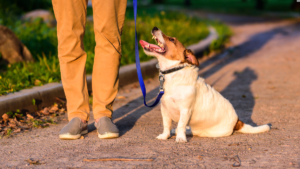
How Do You Create Post-Walk Calm?
Post-walk calm is simple—but it requires patience and practice.
Slow down before you head home.
During the last five minutes of your walk, encourage sniffing. Take a slower-paced stroll. Stop and breathe together.
Slowing your dog down before entering the house teaches them, “We’re winding down now.”
Inside:
-
Ask for a calm sit before removing the leash.
-
Move slowly as you go about your day.
Ignore overexcitement.
If your dog jumps, paws, whines, or barks:
-
Stay calm
-
Keep moving slowly
-
Avoid eye contact during this phase
-
Praise them the moment they settle—even for a few seconds
Be patient. It won’t happen overnight.
Doing this after every walk creates a routine your dog will learn to love:
Walk → Home → Calm → Relax
Soon, your dog will expect to unwind after walks.
Why You Should Teach Your Dog to Be Still
Some dogs bounce off the walls for hours because that’s all they know.
Don’t be the dog parent who wonders why their dog is “too energetic.”
Start building a calm routine today and watch your dog transform into a more focused, relaxed companion.
Benefits of learning calm:
-
Your dog settles faster
-
Thinks clearer and focuses longer
-
Is less reactive
-
Learns new things quicker
-
Feels happier and more secure
Sound good? It should.
And here’s the best part—it won’t “spoil” your dog. Quite the opposite.
Your dog will be less bored because they finally know how to rest.
Wrap-Up
Exercise is wonderful for your dog. But unless you teach them how to calm down afterward, your dog may spend all day bouncing off the walls.
Does your dog need more exercise? Of course.
But does your dog need to learn calm?
You tell me.

- The Cutest Cat Breeds in the World - March 21, 2026
- Black Cat Names That Are as Mysterious and Beautiful as They Are - March 21, 2026
- Did You Know Your Dog Could Have Diabetes? - March 20, 2026