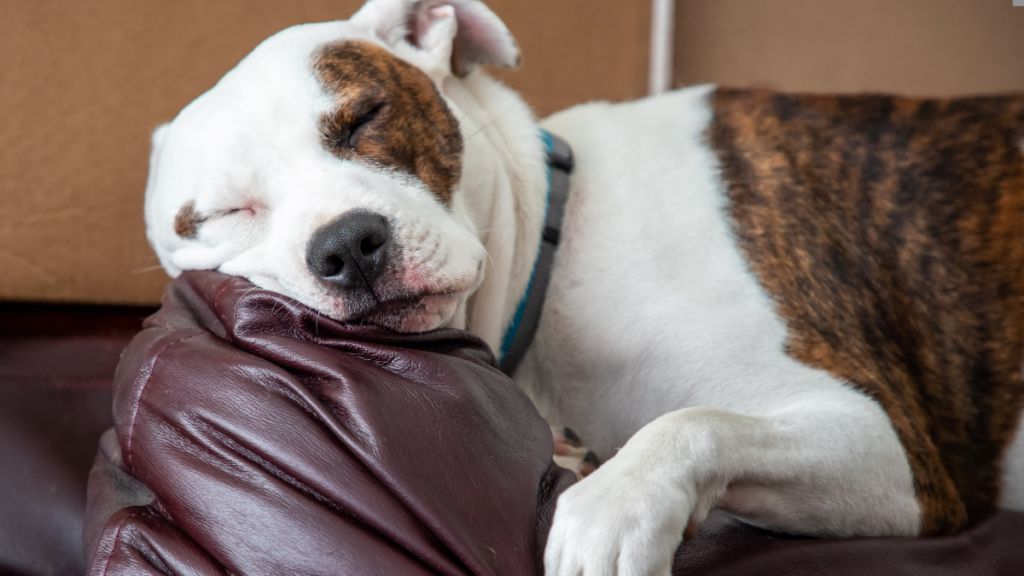
You come home to a shredded couch leg or teeth marks on your favorite chair and wonder, “Why does my dog suddenly chew furniture?” Don’t worry—you’re not alone. Dog owners everywhere are often bewildered and frustrated when a well-behaved pooch suddenly turns destructive. Why Dogs Chew Furniture & How to Stop It is a common question because this behavior can appear out of nowhere. Even well-trained adult dogs can develop destructive chewing habits seemingly overnight.
The good news is that dogs almost always have clear reasons for chewing furniture—and once you understand why, you can use positive, humane methods to stop it.

Quick Guide: Why Dogs Chew Furniture
Chewing is a completely natural behavior for dogs. They explore the world with their mouths, relieve stress, and keep their teeth healthy. Problems arise when chewing is directed at things we don’t want chewed—like furniture.
Here’s a closer look at why dogs chew furniture and how to stop it.
Why Dogs Chew Furniture & How to Stop It: The Causes
1. Dogs Are Anxious or Stressed
Dogs feel stress just like humans do. Anxiety can cause destructive behavior, including furniture chewing.
Common sources of dog anxiety include:
-
Separation anxiety
-
A new baby, pet, or home
-
Changes in schedule
-
Loud noises like thunderstorms or fireworks
Chewing helps dogs comfort themselves. Furniture is especially attractive because it carries your scent, which can help relieve stress.
Signs anxiety may be the cause:
-
Chewing occurs when you’re away
-
Other stress behaviors (panting, pacing, drooling)
-
Damage is near exits like doors or windows
2. Dogs Are Bored
Even if your dog gets plenty of physical exercise, they may still need mental stimulation. Dogs who chew out of boredom often include:
-
High-energy breeds
-
Young adult dogs
-
Dogs left alone for long periods
Unlike humans, dogs can’t just “veg out” in front of the TV. When bored, they create their own entertainment, often by chewing, destroying slippers, or digging holes.
3. Puppies Are Teething or Adults Have Dental Issues
Puppies naturally go through a chewing phase while teething, but adult dogs can also chew because of dental discomfort.
Common dental causes of chewing include:
-
Puppy teething
-
Gum inflammation
-
Loose or cracked teeth
-
Oral pain
Chewing can temporarily relieve oral discomfort. If chewing appears suddenly or intensely, a dental exam by your vet is recommended.
4. Lack of Appropriate Chew Toys
Dogs don’t instinctively know what they’re allowed to chew. If their toys aren’t engaging, they’ll find other items—like furniture.
Furniture is appealing because:
-
It has interesting textures, smells, and resistance
-
It carries your scent, which is comforting
Tips for choosing chew toys:
-
Power chewers: tough rubber toys
-
Nibblers: softer rubber toys or plush toys
-
Food-motivated dogs: edible chews or frozen treats
Place chew toys near areas your dog typically chews. If your dog ignores the toys, try rotating or introducing new options.
5. Attention-Seeking Behavior
Some dogs learn that chewing furniture gets a strong reaction from their owners. Even negative attention—yelling or scolding—can reinforce the behavior.
Attention-seeking chewing often occurs in dogs who:
-
Get little one-on-one time
-
Are highly social or people-oriented
-
Feel neglected
6. Changes in Routine or Environment
Dogs thrive on routine. Sudden changes can trigger stress, which may result in destructive chewing.
Examples include:
-
Returning to work after being home more often
-
Interruptions in daily routine
-
Moving to a new home
-
Introducing a new baby or pet
-
New neighbors or loud noises
Even small changes in their environment can feel significant to dogs.

How to Find the Real Cause of Chewing
To address the behavior, you need to understand why it’s happening. Ask yourself:
-
When does the chewing occur?
-
Is it focused in a specific area?
-
Has anything recently changed in your dog’s life?
-
Does your dog get enough exercise and stimulation?
-
Have you rearranged furniture or introduced new scents?
Jotting down notes for a week can help you identify patterns and determine the root cause.
Solutions: Why Dogs Chew Furniture & How to Stop It
1. Increase Exercise
A tired dog is less likely to chew furniture.
Ideas to increase physical activity:
-
Longer or more frequent walks
-
Games of fetch or tug
-
Dog sports or agility training
Even an extra 15–30 minutes of exercise a day can make a noticeable difference.
2. Provide Mental Stimulation
Dogs also need mental exercise.
Ways to stimulate your dog’s mind:
-
Puzzle toys
-
Treat-hiding games
-
Teaching new tricks
-
Rotating toys to keep them novel
Mental enrichment helps reduce boredom-driven chewing.
3. Offer Appropriate Chew Toys
Make sure your dog has access to safe, durable, and appealing chew toys. Place them near common chewing spots to encourage proper use.
4. Manage the Environment
When unsupervised, take steps to prevent chewing:
-
Use baby gates or crates
-
Cover furniture with sheets
-
Put shoes and tempting items away
-
Restrict access to rooms prone to chewing
5. Use Safe Taste Deterrents
Taste deterrent sprays can discourage chewing, but they should never be the only solution.
Tips:
-
Ensure the product is pet-safe
-
Apply consistently
-
Combine with redirection to chew toys
6. Reward Good Behavior
Positive reinforcement works better than punishment.
-
Praise your dog for chewing toys
-
Offer treats when they avoid furniture
-
Redirect and praise, don’t scold
7. Resolve Anxiety Issues
If anxiety is the cause, focus on emotional support:
-
Gradual desensitization
-
Maintain a consistent routine
-
Provide a safe, comfortable space
-
Use calming aids like pheromones or music
For severe anxiety, consult a certified trainer or veterinarian.

8. Visit the Vet
Sudden chewing may signal a medical problem. Your vet can check for:
-
Teething in puppies
-
Dental pain
-
Arthritis or other illnesses
Medical causes should be addressed before focusing on training.
Tips for Preventing Future Chewing
-
Maintain regular exercise and mental stimulation
-
Keep routines consistent
-
Rotate toys to maintain interest
-
Reward positive behavior
-
Remove stress triggers where possible
Prevention is easier than correction, so consistency is key.
Frequently Asked Questions
Why does my dog chew furniture suddenly?
Dogs chew for various reasons: boredom, anxiety, teething, or lack of appropriate toys. Identifying the root cause is key.
How long does it take to stop dogs from chewing furniture?
Some dogs improve in a few days; others may take weeks. Consistency and patience are essential.
Should I punish my dog for chewing?
No. Punishment increases stress and can worsen behavior. Redirect and reward positive chewing instead.
Why does my dog only chew at night?
Nighttime chewing often relates to anxiety. Provide toys, comfort items, and calming scents.
Why does my puppy suddenly chew everything?
Puppies may chew out of teething, boredom, or lack of interesting toys. Offer new, safe chew options.
Why does my dog chew when I leave?
This is a common sign of separation anxiety. Gradual desensitization can help your dog feel more comfortable alone.
Final Thoughts
There are many reasons why dogs chew furniture. The key is understanding why your dog is chewing and using positive methods to redirect them. Destructive chewing is rarely random—it usually signals boredom, anxiety, dental discomfort, or unmet needs.
With patience, consistent training, and plenty of love, you can stop furniture chewing for good while keeping your dog happy and healthy.
Save pin for later

- The Cutest Cat Breeds in the World - March 21, 2026
- Black Cat Names That Are as Mysterious and Beautiful as They Are - March 21, 2026
- Did You Know Your Dog Could Have Diabetes? - March 20, 2026