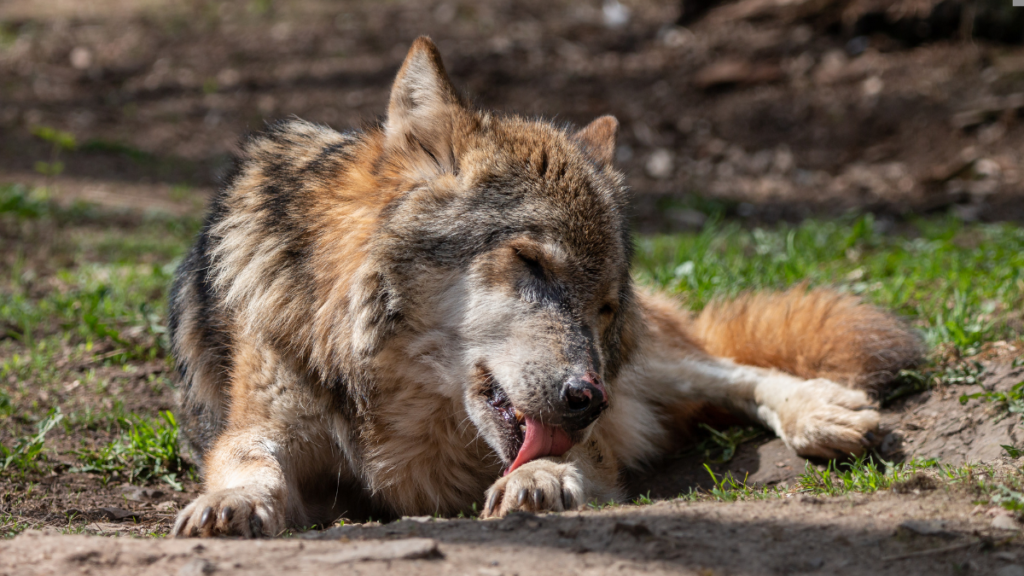
Every dog owner has surely asked themselves, “Why do dogs lick their paws so much?” at some point. Excessive paw licking is one of the most frequent concerns pet parents bring up when visiting the vet. Some dogs will occasionally lick their paws as part of normal grooming behavior. Others may lick their paws because they are injured, have allergies, have a behavioral issue, or have an infection. Understanding why dogs lick their paws can help you know how to respond when you notice this behavior.
Our mouths aren’t just for eating. Dogs also explore the world with their mouths through licking, chewing, and tasting. Paw licking falls into this category. Dogs lick their paws to clean them, soothe themselves, relieve pain or irritation, or because of an injury or allergy.

Why Do Dogs Lick Their Paws? Normal Reasons
Grooming
Just like cats groom themselves with their tongues, dogs will lick their paws to remove debris or grass. If your dog spends a lot of time outdoors running around on grass or dirt, they will probably want to lick their paws afterward.
Dogs’ feet also sweat, which can cause moisture to build up on their paw pads. Your pup may lick their feet to dry off or redistribute natural oils. Occasional paw licking to clean or groom themselves is perfectly normal.
However, dogs’ paws shouldn’t be constantly licked or ignored. If your pup’s paws are red, swollen, sore, or bruised, there could be an underlying problem that needs to be addressed.
Allergies
Allergies are one of the most common reasons dogs lick their paws excessively. Dogs can have seasonal allergies, just like humans. Environmental allergens include pollen, dust mites, mold, and other substances.
If your dog has environmental allergies, exposure usually comes from being outdoors. Rolling in the grass or walking through fields can trigger reactions. These allergies may worsen during certain times of the year, depending on what your dog is sensitive to.
Food allergies are another common reason dogs lick their paws. Food allergies can occur year-round and often cause more issues than paw licking alone, such as gastrointestinal upset, skin irritation or rash, and ear infections.
Along with paw licking, you may notice other signs of allergies, including:
-
Excessive scratching or licking of the body
-
Licking the face or drooling
-
Watery eyes or sneezing
-
Itchy ears or head
If your dog has allergies, visit your vet to determine the trigger. They may prescribe medication or recommend a special diet to help your pup live comfortably.
Pain or Injury
If your dog has a cut, scrape, splinter, or burn on their paw, they may lick the affected area to ease pain. Licking produces saliva, which can help clean wounds. While this is usually okay if caught early, too much licking can cause irritation and prevent wounds from healing properly.
Sometimes, paw pain comes from the nails. A broken nail or one that has grown too long may cause frequent paw licking. Interdigital cysts (infections between the toes) can also trigger excessive licking and chewing.
Arthritis or joint pain may cause a dog to lick one paw more frequently than the other.
Check your pup’s paws if you suspect an injury may be causing them to lick. Look for cuts, swelling, foreign objects, or redness. If there’s no obvious cause, schedule a vet visit to rule out pain-related issues.
Anxiety or Stress
Believe it or not, dogs may also lick their paws due to stress or anxiety. Dogs don’t exactly understand emotions the way humans do, so they tend to self-soothe through behaviors like paw licking. This is called a displacement behavior, which occurs when a dog performs an action to cope with emotions they cannot process.
Triggers for stress-related paw licking can include:
-
Moving to a new home
-
New additions to the family or pets
-
Changes in routine or behavior from family members
Dogs may also develop compulsive licking habits if they are bored, lack mental stimulation, or experience separation anxiety.
Once paw licking starts as a stress response, it can become a vicious cycle. The more they lick, the more irritated the skin becomes, which causes even more licking. Catching these behavioral issues early is key. You can try increasing your dog’s exercise, providing puzzle toys or training exercises, and offering mental stimulation. In more severe cases, therapy or medication prescribed by a vet may be necessary.
Infections
Dogs also lick their paws because of infections. Bacterial or fungal infections can be itchy, painful, and inflamed, prompting dogs to lick for relief.
Yeast infections are common in dogs because their paws provide a warm, moist environment for fungus to thrive. Dogs with allergies or sweaty paws are more susceptible. Signs of a yeast infection include redness, swelling, odor, pain, and possible discharge.
Bacterial infections can cause similar symptoms and may produce pus or scabs.
Infections require veterinary care. Your vet may prescribe topical or oral medications to treat the infection. Meanwhile, washing your dog’s paws when they come inside and thoroughly drying between the toes can help prevent infections.
Compulsive Paw Licking
Occasional paw licking is normal, but frequent licking can become a serious problem. Dogs with compulsive disorders may feel the need to constantly lick their paws.
Compulsive paw licking is similar to obsessive-compulsive behavior in humans. It often begins due to allergies, pain, or stress, but the behavior reinforces itself over time.
Signs of compulsive licking include:
-
Constantly licking the same paw or alternating between paws
-
Bald spots from excessive licking
-
Red, irritated skin or open sores
-
Pacing or obsessive behaviors before licking
If you notice these behaviors, early intervention is crucial. Behavioral training, enrichment, and veterinary guidance can help curb these habits. Leaving it unchecked can lead to open wounds, severe irritation, and infections.
How to Stop Your Dog From Licking Their Paws
If your dog chronically licks their paws, try these steps:
-
Inspect Your Dog’s Paws: Check for injuries, foreign objects, or irritation.
-
Wash Your Dog’s Paws: Rinse and dry paws after walks. Clean ears if allergies are present.
-
Ease Allergies: Work with your vet on diet, medications, or avoiding triggers.
-
Provide Dog Boots: Protect paws from harsh surfaces, chemicals, or extreme weather. Soothing paw balms can also help.
-
Offer Mental Stimulation: Provide puzzle toys, interactive toys, and training exercises to reduce anxiety.
-
Visit Your Vet: If paw licking persists, a vet can check for infections, injuries, or underlying conditions.
When to Worry and Book a Vet Appointment
Occasional paw licking is normal. However, see a vet if your dog licks more than usual or if the behavior worsens. A vet can examine your dog and run tests for allergies, infections, or other health issues.
Seek veterinary care immediately if you notice:
-
Severe swelling or redness
-
Open wounds or bleeding
-
Foul odor from paws
-
Limping while licking a specific paw
-
Hair loss on paws or legs
Early intervention prevents prolonged pain and complications.

Summary
So why do dogs lick their paws? Dogs usually lick their paws to groom themselves, but paw licking can also result from allergies, infections, pain, or stress. Observing your dog’s behavior and maintaining regular paw care is essential.
Inspect and wash their paws regularly, and consult a veterinarian if paw licking becomes frequent or chronic. Early prevention and care help keep your pup comfortable, healthy, and happy.
Save pin for later


- The Cutest Cat Breeds in the World - March 21, 2026
- Black Cat Names That Are as Mysterious and Beautiful as They Are - March 21, 2026
- Did You Know Your Dog Could Have Diabetes? - March 20, 2026