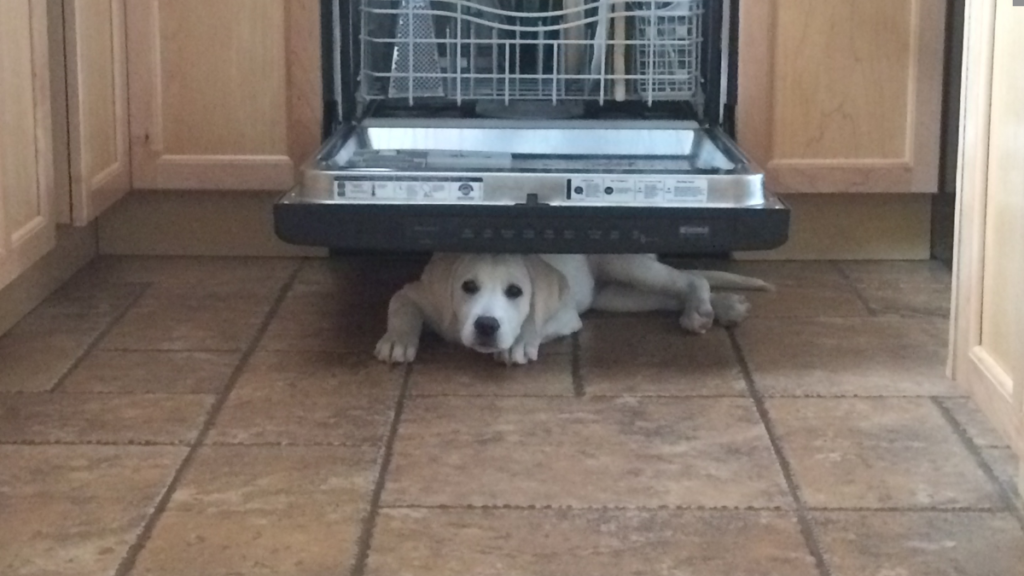
It can be odd—or even downright alarming—if you come home one day to find your dog wedged under your bed or couch. They may even go out of their way to stay hidden from you. So, why dogs hide under beds or tables is something you might find yourself asking.
Believe it or not, your dog isn’t acting out of defiance or attention-seeking. Dogs hide when they are scared, stressed, sick, or upset about something in their environment. They lack the ability to communicate those feelings the way we do, so they express them through behavior. Seeking shelter is one way they cope with negative emotions.
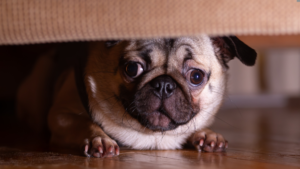
The Anatomy of a Comfortable Dog Hidey-Hole
A Den Animal by Nature
This may seem silly, but have you ever noticed where dogs love to sleep? The floor. Sure, they have dog beds, but many dogs will choose the ground if given the option.
This is closely tied to their instinct as den animals. Wild dogs and other canines use dens to protect themselves from danger. When dogs choose to hide under furniture, they are often acting on this instinct.
Common Characteristics of a Dog Hidey-Hole
-
Dark
-
Small
-
Enclosed
-
Quiet
-
Most of your dog’s weight is close to the ground
We’ll touch on some of these in more detail below, but furniture allows dogs to create an ideal hiding spot where they feel safest.
Dogs Particularly Likely to Hide
-
Puppies
-
Small dogs
-
Recently adopted dogs
-
Dogs raised in abusive or chaotic environments
Conclusion: They want to snuggle into a nest.
Fear or Anxiety
Just like humans, dogs react differently to stressful situations. Some shut down. Others become defensive. But many dogs choose to hide.
If something is frightening your dog, their first instinct may be to crawl under your bed or table. Common fear triggers include:
-
Thunderstorms
-
Fireworks
-
Household noises (vacuum cleaners are a common one)
-
Construction
-
Yelling or raised voices
-
Strangers
Conclusion: They’re afraid something will happen to them.
Information Overload
When things get loud, crowded, or hectic, dogs may seek refuge under furniture. Dogs take in far more information through their senses than we do, and excessive noise or activity can quickly become overwhelming.
Households with:
-
Small children
-
Multiple pets
-
Constant visitors
-
The TV on all day
often create environments where dogs feel overstimulated.
Conclusion: They need a break from stimuli.
Changes in Routine or Environment
Similar to information overload, dogs don’t handle changes in routine very well. Dogs thrive on stability and predictability, and even positive changes can feel unsettling.
Changes may include:
-
Moving to a new home
-
Rearranging furniture
-
New pets, babies, or roommates
-
Changes in work schedules (coming home late, for example)
-
Traveling
What used to feel familiar may suddenly feel uncertain.
Conclusion: Something’s different, and they don’t like it.
Sickness or Physical Pain
If your dog seems lethargic or isn’t eating as usual, hiding may signal illness or discomfort. Dogs that don’t feel well often avoid social interaction and prefer to be left alone.
Signs your dog may be hiding due to illness or pain include:
-
Refusing food
-
Sleeping more than usual
-
Whining or acting aggressively when touched
-
Sudden behavior changes
Older dogs may hide if they suffer from arthritis. If they can’t get comfortable elsewhere, they may crawl under furniture instead.
Conclusion: Something hurts.
Previous Trauma
Unfortunately, some dogs are more prone to hiding due to past experiences. Dogs that were abused or rescued from unstable environments may seek refuge under furniture because it feels safe.
This may apply to dogs:
-
From abusive homes
-
Rescued from shelters
-
With unknown backgrounds
Forcing a traumatized dog out from under furniture can damage trust and increase fear. Patience and consistency are key.
Conclusion: They had a bad experience that scared them.
Temperature Regulation
Sometimes, dogs hide under furniture simply because it’s comfortable. Many dogs prefer cooler temperatures, which is why they gravitate toward shaded or enclosed areas.
Dogs may hide if it’s:
-
Too hot outside
-
Too warm inside the house
Cool tile or wood flooring beneath furniture can be especially appealing.
Conclusion: They’re just trying to keep cool.
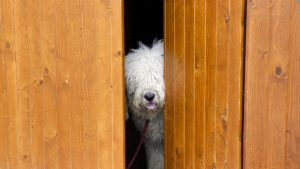
Attention-Seeking Behavior
While this isn’t the case for most dogs, some learn that hiding gets attention.
Your dog may be seeking attention if you:
-
Scold or coax them out every time
-
Offer treats to lure them out
-
Repeatedly call their name
Reinforcing the behavior—even unintentionally—can cause it to continue.
Certain Breeds and Personalities Are More Prone to Hide
Every dog has a unique personality. Just like people, some dogs are more sensitive or introverted than others. These dogs may seek enclosed spaces more often when stressed.
Consider your dog’s breed and temperament. Highly sensitive dogs and breeds historically used for guarding may be more prone to hiding.
Don’t Stress When They’re Just Seeking Comfort
While the behaviors listed above can signal anxiety or discomfort, hiding isn’t always a problem.
Normal Reasons Your Dog Might Hide Under Furniture
-
During loud events (thunderstorms, fireworks)
-
As a puppy
-
When sleepy
-
Then returning once they feel better
If your dog comes back out and resumes normal activity, they were likely just seeking comfort.

When Dog Hiding Is a Cause for Concern
Won’t Come Out
Your dog hides and doesn’t respond when called.
Refuses to Eat
Your dog won’t leave their hiding spot even for meals.
Growls or Barks When Approached
Your dog becomes defensive when you get close.
Shows Other Symptoms
Hiding is paired with physical or behavioral changes.
Avoids Social Interaction
Your dog withdraws from people and other pets.
If you notice these signs, there may be an underlying issue that needs attention.
Help! My Dog Hides All the Time
If your dog hides constantly, here are ways to help them feel safer.
Create a Safe Space
Provide a crate or covered dog bed where your dog can retreat comfortably.
Stick to a Routine
Consistent feeding, walks, and playtime help dogs feel secure.
Make Your Home More Dog-Friendly
Lower noise levels, close windows during loud events, and consider white noise or calming music.
React Calmly
Yelling or forcing your dog out will only increase fear. Stay calm and reassuring.
Identify Triggers
Notice patterns and gently desensitize your dog using positive reinforcement.
Final Thoughts
Dogs don’t hide to be difficult. They hide because they feel they need to. Whether they’re scared, uncomfortable, overwhelmed, or simply trying to cool off, hiding helps them cope.
Understanding why dogs hide under beds or tables allows you to look beyond the behavior and address the real issue. When you respond with patience and awareness, you take an important step toward helping your dog feel safe again.
Save pin for later


- The Cutest Cat Breeds in the World - March 21, 2026
- Black Cat Names That Are as Mysterious and Beautiful as They Are - March 21, 2026
- Did You Know Your Dog Could Have Diabetes? - March 20, 2026