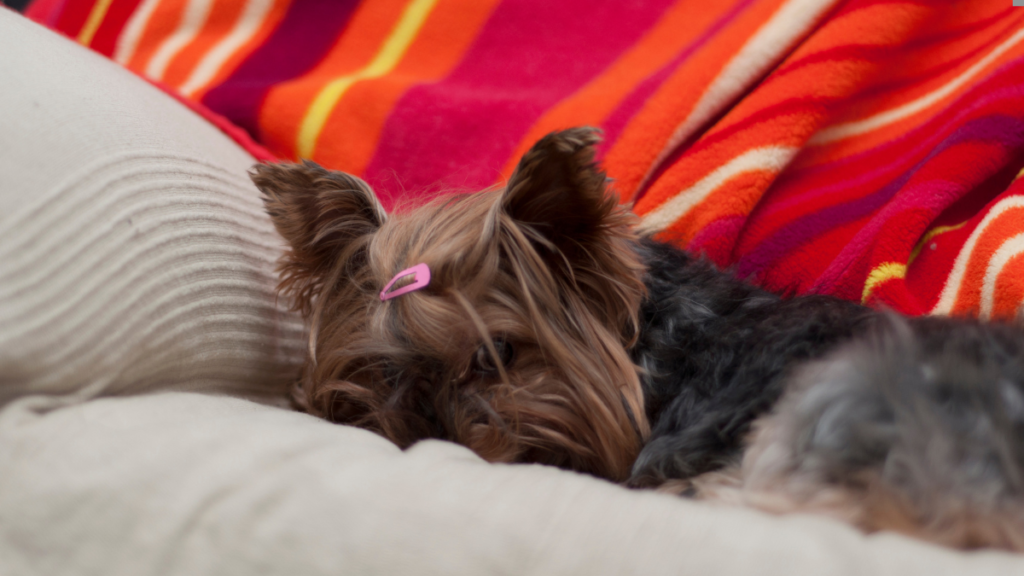
No matter how much you love watching dogs wrestle, chase each other, or tug on their favorite toys, the noises they make during playtime can catch you off guard. Growling, snarling, teeth chattering, snapping—dog owners learn to expect the unexpected.
Dogs can make ferocious noises when they’re just horsing around. Why Dogs Growl While Playing and When It’s a Problem is one of the most common questions new and experienced pet parents ask. Unfortunately, there’s no simple answer. Play growling is normal behavior—until it’s not.Dog play can involve growling that’s just friendly nonsense. In other cases, growling is a prelude to a bite, a sign of fear, or cause for immediate concern.
Dog Communication Basics
Communication between humans is very different from how dogs communicate. Dogs use body language, facial expressions, posture, and vocal cues to tell others how they’re feeling.
Growling is just one tool dogs use when trying to communicate. Dogs growl when they’re angry—but they also growl when they’re being playful, nervous, scared, frustrated, or excited. Understanding context is critical.
Growling can mean “I’m playing,” “Go away,” “Back off,” or “Leave me alone.” It all depends on the situation.
Dog growls are similar to homonyms—words that have multiple meanings based on context. Seeing your dog growl might not mean much until you “read the rest of the sentence” by assessing your dog’s body language and movement.
Common Reasons Dogs Growl During Play
Growling isn’t necessarily bad! Dog parents can relax knowing that play growling is very common and not problematic in most situations. Let’s look at the reasons dogs growl during play.
Reason #1: They’re Just Being Dogs
Play behaviors can look surprisingly similar to natural canine behavior. Dogs play-fight, chase each other, take “naps” while lying on their backs, wrestle over toys, and pin each other down. All of these behaviors are instinctual.
Instinctual behaviors also include growling. Dogs growl during real fights—which many dogs imitate during play. Hearing dogs roaring at each other might sound frightening, but if their body language stays loose and friendly, there’s usually nothing to worry about.
Reason #2: Dogs Love Excitement!
Growling can be downright fun for dogs! Dogs that growl while playing are typically emotionally invested and engaged in the activity.
Dogs may use play growls to raise the excitement level of the game. Certain breeds and individual dogs are naturally more vocal than others. There’s no cause for concern unless your dog becomes more aggressive than usual.
Reason #3: Dogs Communicate With Each Other
Much like teammates keeping up a running commentary during a pickup game, dogs “talk” when they’re playing with each other. Dogs reinforce play invitations with play growls like:
-
“I want to keep playing!”
-
“Hey, let’s play-fight!”
One of the best parts of dog-to-dog interaction is the information exchanged during play. Growling can signal to another dog that everything is just fine—as long as their body language remains playful.
Reason #4: Play Growling vs. Aggressive Growling
Play growling can sound awful. However, playful dogs usually growl with a different tone and cadence than dogs that are threatened or aggressive.
Play growls tend to be higher-pitched and variable in tone. They come and go rather than forming one long, sustained growl. Dogs raise excitement with exaggerated, bouncy movements.
Aggressive growling, by contrast, is often low, deep, and steady. The dog’s body will be stiff rather than loose and wiggly, and their focus will be intense.
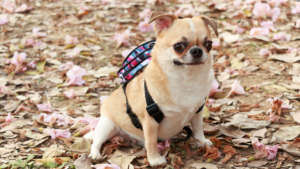
Playful Dog Growling vs. Aggressive Dog Growling
Playful dogs aren’t always gentle. If your dog growls while playing but struggles to take social cues or stop mouthing when asked, it’s time to pay closer attention.
Reason #5: It Can Be Hard to Tell the Difference
Learning to read your dog’s body language is an essential skill. Paying attention to how your dog moves and interacts with their environment can help you spot trouble before it happens.
Growling alone isn’t the main indicator that dogs are becoming too aroused during play. Other warning signs include:
-
Stiff bodies instead of loose, wiggly movement
-
No sudden pauses or breaks during play
-
No role reversal (one dog always chases while the other is always chased)
-
A lack of play bows or inviting gestures
-
One dog attempting to disengage while the other ignores those signals
When Dog Growling Isn’t Okay
Dog growling during play is normal—until it isn’t. Healthy play usually ends when one dog gets tired, takes a break, or loses interest. If play doesn’t pause, dogs can escalate to biting due to overstimulation.
Growling can also become a problem when it’s directed inappropriately at dogs or people. These situations usually fall into two categories: fear and resource guarding.
Problem #1: Fear-Based Growling
Fear-based aggression can look deceptively playful from a distance. Watch for dogs that:
-
Display stiff body language
-
Maintain hard stares with pinned ears
-
Try to wriggle away while growling
-
Don’t soften their bite during play
-
Focus growling on one specific trigger
Growling at people during play should always be monitored closely. If your dog growls directly at you while playing, note their body language and the surrounding circumstances.
Fear-based aggression often involves dogs trying to escape something that scares them. If your dog calms down when redirected or commanded, they’re less likely to pose a serious risk.
Problem #2: Growling Linked to Resource Guarding
Playing tug-of-war isn’t automatically a red flag. Growling during tug—while still letting go on cue—is often a sign of learned bite inhibition.
Resource guarding, however, is a serious issue. If your dog growls when someone approaches them while they’re eating, chewing a toy, or resting, resource guarding may be the cause.
Why Dogs Growl While Playing With Humans
Dogs may also growl while playing with people. Many dogs love tug-of-war or roughhousing with their favorite humans. While dog-to-human play can be intense, it isn’t always a cause for concern.
Is Dog Growling While Playing With You Okay?
Yes—and no. Dog-to-human play should always be supervised. Growling can be acceptable if:
-
Your dog’s body language stays relaxed
-
They consistently obey commands during play
-
Growling stops when you ask them to calm down
If your dog won’t stop growling or ignores cues, take extra precautions.
Red flags include:
-
Toy play that turns possessive
-
Growling when approached while eating
-
Difficulty calming down after play
Dogs can become overly excited and struggle with self-regulation. Taking toys away and redirecting them to calm activities helps them cool off.
Teaching bite inhibition should begin in puppyhood. Dogs should learn that teeth touching skin means playtime ends.
Some Dogs Growl More Than Others
Dog growling during play can feel normal—until you meet a dog that never makes a sound. Why the difference?
Breed Differences
Some breeds are naturally more vocal. Working dogs, herding breeds, and certain terriers tend to express themselves more during play.
Early Socialization
Dogs that weren’t well-socialized as puppies often struggle with communication later in life. Smaller social circles can lead dogs to rely more heavily on growling.
Personality and Past Experiences
Past trauma or stressful experiences can influence how dogs react to others. Dogs with difficult histories may growl more often to create space or feel safe.
Responding to Dog Growling During Play
The worst thing you can do is overreact. Stay calm and diffuse the situation if play becomes too intense. Never punish a dog for growling—it’s a warning signal.
Reward calm behavior and praise dogs for responding to commands like “come,” “leave it,” or “drop it.”
If your dog frequently shows fear or aggression during play, consult a qualified dog trainer or behavior professional.
Dog Growling During Play: Puppies
Puppies often growl during play. This is a normal part of development as they learn social skills and boundaries. With proper socialization, puppies learn appropriate play from littermates and other dogs.
That said, puppies still need supervision. Growling puppies must learn bite inhibition and should not be allowed to mouth humans without consequence.
Why Do Dogs Growl?
Dogs growl to communicate emotion. Sometimes it’s difficult to tell whether your dog is being playful, frustrated, scared, or stressed.
Growling often happens when dogs are over-aroused or excited. Mental enrichment and calming activities can help reduce excessive excitement.
Final Thoughts
Dog growling isn’t a problem—until it is. If dogs play rough but exchange play bows, check in with each other, and respect social cues, they’re likely just being dogs.
When in doubt, pause playtime and spend some quiet moments with your pup. Over time, you’ll learn their triggers, limits, and unique communication style.
Save pin for later

- The Cutest Cat Breeds in the World - March 21, 2026
- Black Cat Names That Are as Mysterious and Beautiful as They Are - March 21, 2026
- Did You Know Your Dog Could Have Diabetes? - March 20, 2026